

Fuel Prices, Flight Costs, and Heating Bills Set to Rise This Week
Portugal's fuel, heating, and airline costs are climbing sharply this week following a surge in global oil prices triggered by geopolitical tensions in the Middle East. Brent crude jumped above $100 per barrel—reaching $102.25 by Tuesday morning—erasing weeks of relief for consumers at the pump.
What This Means for Your Wallet:
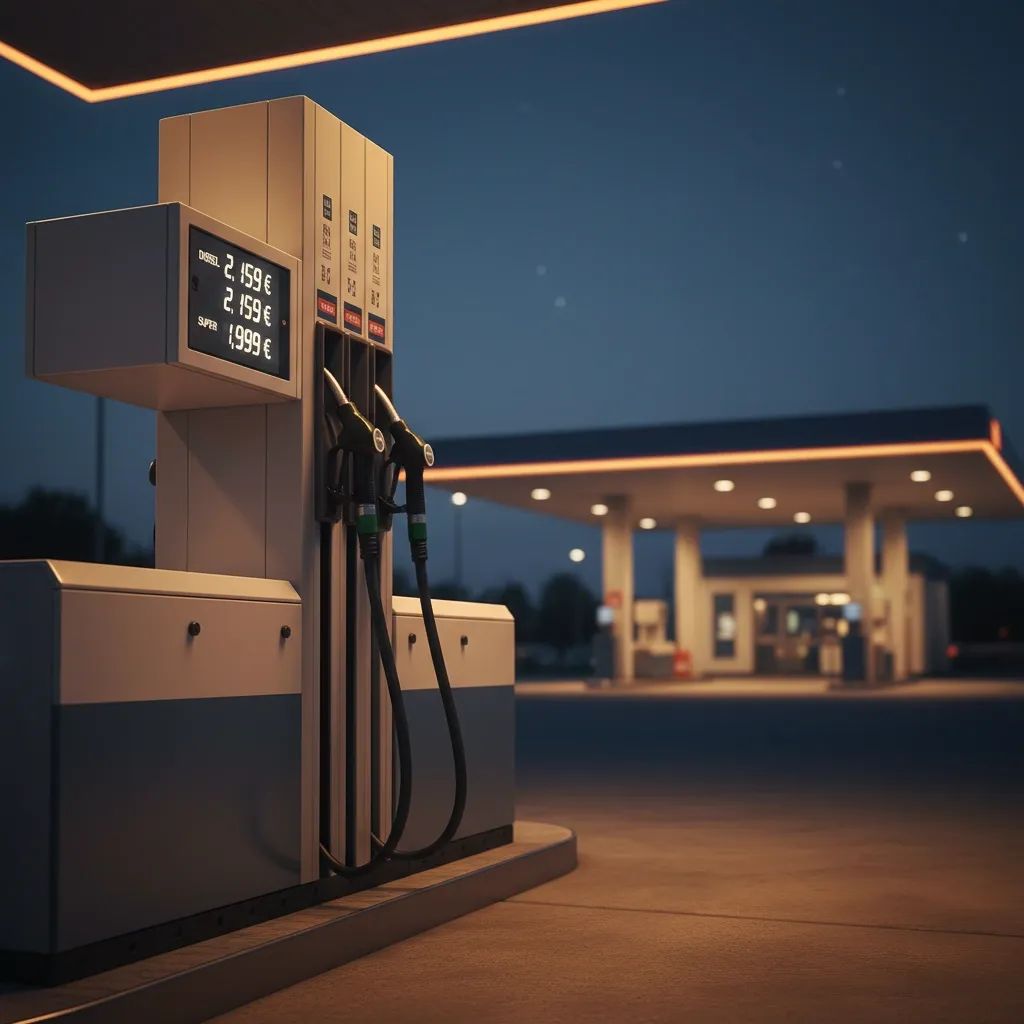
Portuguese fuel distributors typically adjust pump prices within 48 to 72 hours of sustained crude moves, meaning gasoline and diesel could climb by €0.05 to €0.08 per liter by midweek if Brent holds above $100. For households driving 15,000 km annually, that translates to an extra €50 to €80 in annual fuel costs.
Heating oil and LPG consumers in rural areas face steeper bills as winter approaches, while electricity tariffs could see upward pressure in the next quarterly review. Natural gas prices spiked 8.6% to €47.66 per megawatt-hour, amplifying energy bills for households and businesses.
Airlines serving Portugal are expected to announce fuel surcharges within days, following similar levies already applied by Asian carriers. Fuel accounts for up to 30% of airline operating costs, meaning carriers have little buffer to absorb a sustained $100-plus oil environment. TAP Air Portugal and budget carriers operating out of Lisbon, Porto, and Faro could follow suit within days, particularly on long-haul routes.
Why Oil Prices Surged: The Strait of Hormuz Blockade
U.S. President Donald Trump ordered the U.S. Central Command to enforce a naval blockade of the Strait of Hormuz starting Sunday, following the collapse of U.S.-Iran peace talks in Islamabad. The blockade was designed to pressure Tehran after weekend negotiations failed over Iran's nuclear program, sanctions relief, and regional ceasefire terms.
Approximately 20% of the world's seaborne oil and a similar share of global liquefied natural gas (LNG) transit the strait daily, making it the planet's most critical energy chokepoint. Saudi Arabia, the United Arab Emirates, Kuwait, Iraq, and Qatar all depend on the narrow waterway to deliver crude and gas to Asian buyers. While Saudi Arabia and the UAE operate alternative pipelines, analysts say that capacity is insufficient to offset a prolonged closure.
Financial markets reacted instantly. West Texas Intermediate crude surged 8.6% to $104.86 before U.S. trading officially began, while European Brent futures briefly touched $103.87 in overnight trading. On Friday, Brent had closed at $95.20, meaning the benchmark gained more than $7 in less than 72 hours.
Peace Talks Collapse After 47 Years of Silence
The blockade followed the failure of direct U.S.-Iran negotiations held in Islamabad over the weekend—the first high-level contact between the two nations in 47 years. U.S. Vice President JD Vance, who led the American delegation, said Washington presented its "final and best offer," which Tehran rejected. The key sticking points included Iran's nuclear program, sanctions relief, and Tehran's insistence that Lebanon be included in any regional ceasefire—a demand Israel flatly refused.
A two-week temporary ceasefire that began on 7 April expired without extension, and Pakistani Foreign Minister Ishaq Dar pledged to continue mediation efforts despite the impasse. The broader U.S.-led military campaign against Iran and its regional allies, launched in recent months, had already driven Brent to nearly $120 per barrel during peak hostilities before the brief truce brought prices below $100.
Tourism Sector Braces for Double Hit
Portugal's tourism sector, which contributes roughly 15% of GDP, is bracing for higher operating costs and weaker demand. Chinese carriers including Xiamen Airlines, China United Airlines, Spring Airlines, and China Southern Airlines have already imposed fuel surcharges effective 1 April. All Nippon Airways (ANA) and Japan Airlines (JAL) plan to double their international fuel surcharges for June and July flights.
Travel agents report that price-sensitive travelers are already reconsidering European destinations. As fuel surcharges climb—particularly on long-haul routes to Asia and the Americas—cost-conscious tourists may opt for closer destinations instead. This dynamic could affect Portugal's inbound leisure traffic from key Asian markets in the coming months.
Alternative Transport Options
Train travel offers an alternative for price-sensitive passengers, with fixed pricing that insulates travelers from oil volatility. Comboios de Portugal (CP) and cross-border rail links to Spain and France could see increased demand if flight surcharges persist, particularly for Alfa Pendular and Intercidades services.
Broader Economic Risks for Portugal
The European Central Bank revised its 2026 inflation forecast upward to 2.6% in March, partly anticipating energy-driven price pressures. Portugal's inflation accelerated to 2.7% in March, with transport and energy costs the primary drivers. If Brent holds above $100 through the second quarter, inflation could edge closer to 3% by midyear, eroding real wage gains and dampening consumer spending.
Germany and Italy, which rely more heavily on LNG imports and have less pipeline flexibility, may face greater pressure if energy costs remain elevated. That scenario would weaken export demand from Portugal's largest EU trading partners, hitting manufacturers and logistics firms.
Portugal's Treasury also faces fiscal headwinds: higher energy subsidies, potential fuel-duty freezes, and reduced VAT receipts if consumption falters. The government has so far declined to reinstate the fuel rebate program that expired in early 2024, but political pressure could mount if pump prices breach €2 per liter.
What Comes Next
U.S. Central Command has advised commercial mariners operating in the Gulf of Oman and near Hormuz to monitor Notices to Mariners and maintain contact with American naval forces. Shipping insurers are already repricing war-risk premiums for vessels calling at Gulf ports, which could indirectly raise import costs for goods ranging from fertilizer to electronics.
Financial analysts expect crude volatility to persist until either diplomatic momentum resumes or alternative supply routes—such as increased output from U.S. shale or OPEC spare capacity—offset the Hormuz disruption. For now, Portugal households, airlines, and logistics firms should brace for a prolonged period of elevated energy costs, with limited relief in sight before summer.


