

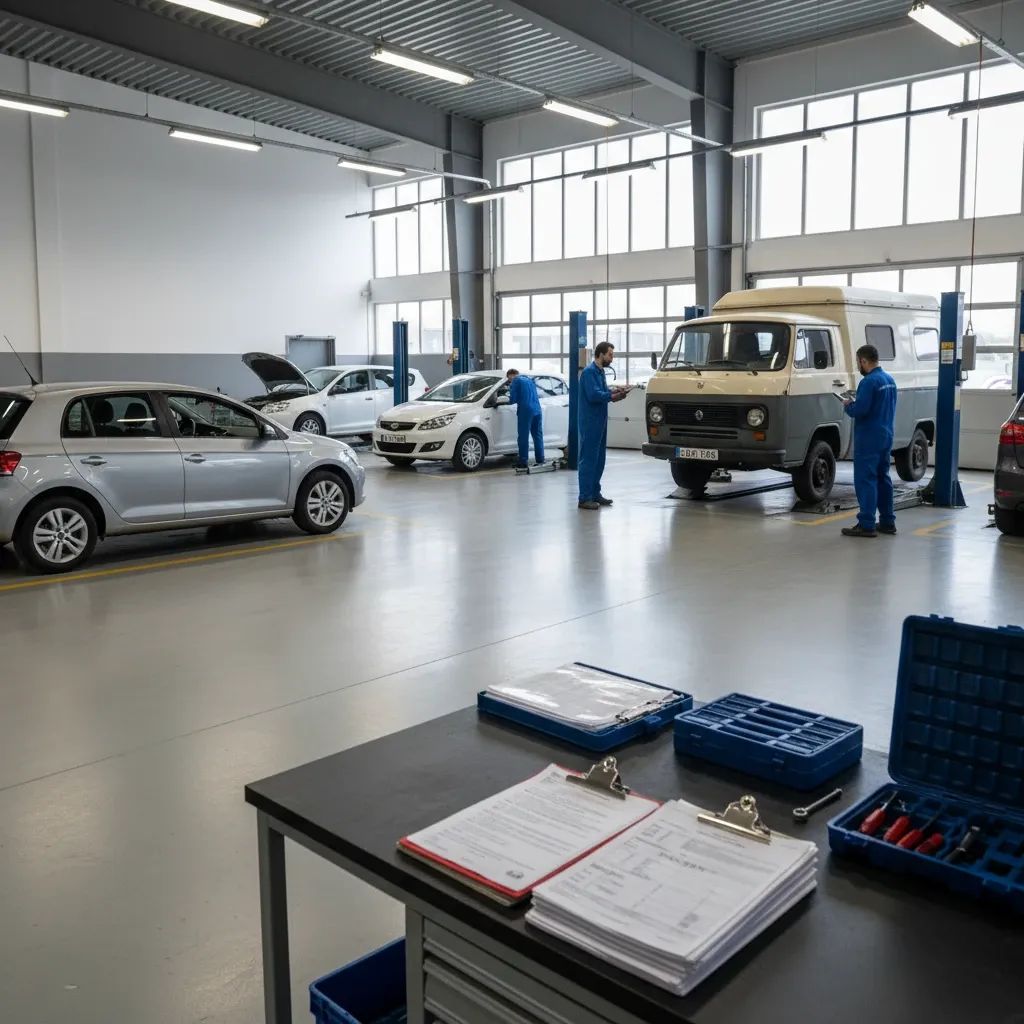
The Portugal Judicial Police have dismantled an alleged corruption ring at a vehicle inspection center in Bragança, a scheme that allowed defective cars to pass safety checks in exchange for cash and other inducements. The operation, carried out this week by investigators from Vila Real, resulted in four search warrants, multiple arrests, and the seizure of approximately €20,000 in cash—evidence authorities say underscores the financial scale of the fraud.
Why This Matters
• Road safety risk: Cars with undisclosed defects may now be circulating on Portugal's roads, posing a danger to all drivers.
• Legal jeopardy for customers: Vehicle owners who participated in the scheme could face charges of active corruption and find their inspection certifications invalidated.
• Broader implications: Inspection fraud schemes have occurred at multiple inspection centers across Portugal in recent years, suggesting systemic vulnerabilities in the vehicle inspection sector.
At the heart of the investigation is Cental – Centro Técnico de Inspeções in Bragança, where at least two inspectors have been formally named as suspects. Prosecutors from the Portugal Regional Investigation and Prosecution Department (DIAP) in Porto are coordinating the inquiry, which focuses on crimes including active and passive corruption, computer fraud, document forgery, and abuse of power.
How the Scheme Allegedly Worked
According to the Portugal Judicial Police, the fraudulent operation functioned as a pay-to-pass system. Customers seeking to avoid costly repairs or speed up the inspection process would offer inspectors money or other benefits. In return, vehicles would be approved without recording technical deficiencies or following mandatory inspection procedures.
This type of scheme is not novel in Portugal. The country has experienced multiple inspection fraud cases in recent years, indicating recurring vulnerabilities in the vehicle inspection system. Similar corruption schemes have been uncovered at inspection centers in different regions, involving fraudulent approvals and compromised safety certifications.
The recurrence of these scandals highlights systemic concerns within Portugal's vehicle inspection infrastructure. Regulatory oversight and enforcement protocols remain areas of ongoing discussion within the industry.
What This Means for Residents
If you own a vehicle that was inspected at Cental – Centro Técnico de Inspeções or suspect you may have been involved in irregular inspections, be aware that authorities are reviewing inspection records. Certificates obtained through fraudulent means are legally void, and vehicle owners could be summoned as witnesses or, in cases where they actively offered bribes, potentially charged with corruption offences.
Under Portugal law, corruption-related offences carry serious penalties, including potential imprisonment and fines. Document forgery and computer fraud charges also carry substantial legal consequences.
From a practical standpoint, the scandal raises serious questions about the roadworthiness of vehicles currently in circulation. Cars with concealed brake defects, suspension issues, or emissions failures may have been approved and are now sharing the road with law-abiding drivers.
Broader Context and Regulatory Challenges
The Bragança case highlights persistent concerns within Portugal's vehicle inspection regime. Portugal relies on a network of private inspection centers supervised by regulatory authorities. This decentralized model creates efficiency but also requires robust oversight to prevent corruption.
Industry observers have long called for stricter auditing protocols, random re-inspections by independent teams, and enhanced enforcement mechanisms to deter collusion between inspectors and vehicle owners.
Investigation Continues
The Portugal Judicial Police have confirmed that the inquiry is ongoing, with forensic analysts now reviewing seized documents, digital records, and financial transactions. Investigators are working to determine the full scope of the fraud, including the number of vehicles improperly certified and the total financial benefit reaped by the suspects.
The DIAP Regional do Porto has not announced a timeline for filing formal charges, but complex cases of this nature typically require several months of investigation before reaching prosecution. In the meantime, the named suspects remain at liberty, though they may face travel restrictions and asset freezes depending on the strength of the evidence gathered.
For Portugal's driving public, the Bragança scandal serves as a reminder of the hidden risks within everyday bureaucratic processes. While the vast majority of inspection centers operate honestly, a small minority of corrupt actors can undermine public trust and compromise road safety for thousands. As the investigation unfolds, pressure is mounting on prosecutors and regulators to deliver accountability—and to implement reforms that prevent similar fraud in the future.


