

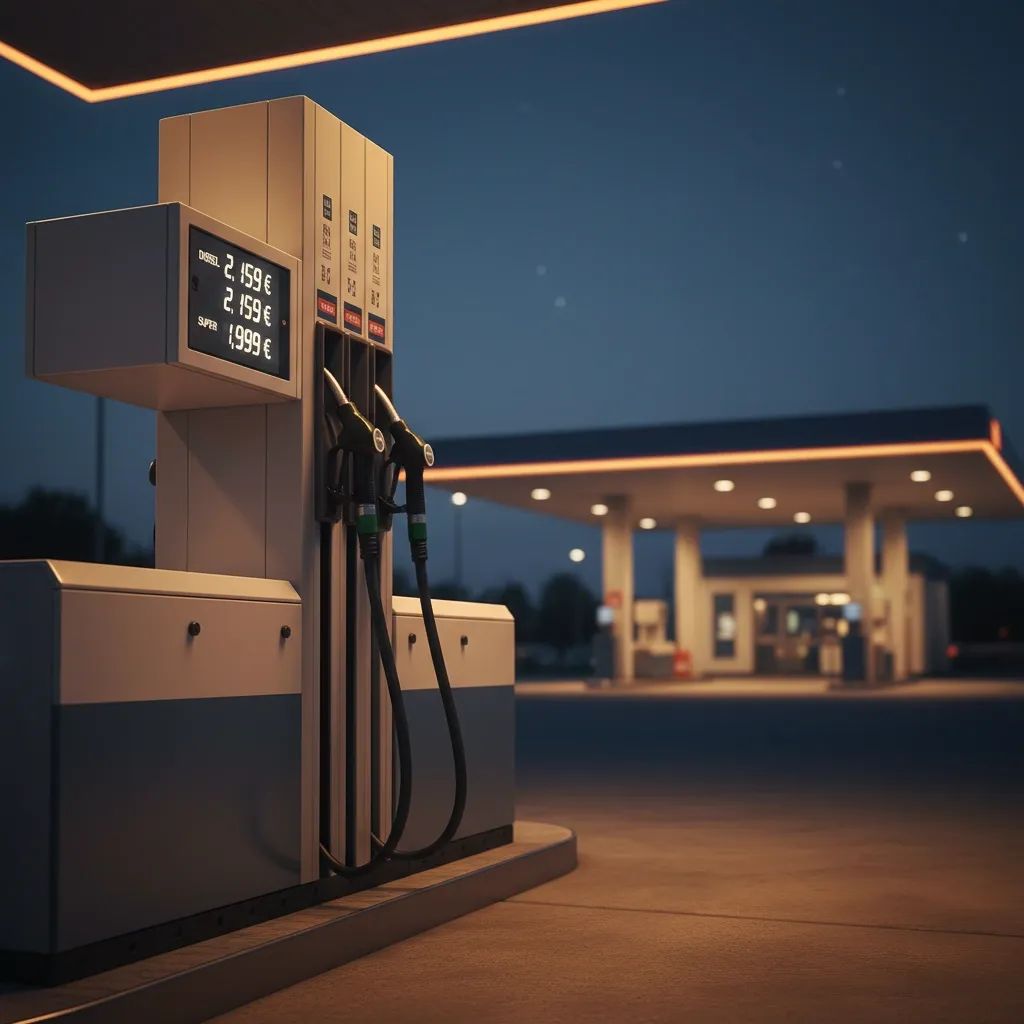
The Portugal Directorate General for Energy and Geology has confirmed that motorists can expect a modest drop in fuel prices next week, with diesel set to decrease by approximately 7 cents per liter while gasoline will see a negligible reduction of less than half a cent. The changes reflect ongoing adjustments to petroleum taxes as the government attempts to cushion consumers against the lingering effects of Middle Eastern conflict on global energy markets.
Why This Matters
• Diesel will drop from the current average of €2.034 per liter to around €1.964, offering relief to commercial transport and long-distance commuters.
• Gasoline 95 will decline marginally from €1.994 to approximately €1.993-€1.994 per liter.
• Government tax adjustments on the ISP (Petroleum Products Tax) dampened what could have been a more significant price cut, with original forecasts suggesting a 9-cent diesel drop.
• Prices remain liberalized in Portugal, meaning individual stations may vary significantly from national averages.
The Tax Adjustment Behind the Numbers
Initial projections from the Automóvel Club de Portugal (ACP) pointed to a diesel reduction of 9 cents and a 2-cent drop for gasoline based purely on international crude oil pricing. However, the Portugal Government intervened by lowering the ISP discount, shaving 1.47 cents off diesel relief and 0.21 cents off gasoline. This move maintains near-neutral fiscal revenue for the state, according to consumer advocacy group DECO PROteste.
The tax engineering reflects a delicate balancing act. As of the week beginning May 4, the government's ISP adjustment almost entirely offset fluctuations in VAT revenue generated by volatile fuel prices. In practical terms, when base fuel costs rise, so does VAT collection at the standard 23% rate (22% in Madeira, 18% in the Azores). By trimming the ISP discount, Lisbon ensures the treasury doesn't lose ground even as pump prices ease slightly.
What Drivers Are Really Paying
Breaking down the cost structure reveals why Portugal consistently ranks among the European Union's more expensive fuel markets. For every liter of gasoline 95 purchased, a significant portion goes to taxes and levies—ISP, VAT, and carbon tax combined. Diesel carries a similar fiscal burden. On top of this, mandatory biofuel blending requirements add another layer of cost.
DECO PROteste argues the government should go further. Portugal's fuel market faces considerable tax pressures compared to neighboring countries like Spain, where fuel tax rates are somewhat lower. This places Portugal among the higher-taxed nations for fuel in Europe. For consumers, this means the bulk of what they pay at the pump reflects tax policy rather than crude oil costs.
By comparison, neighboring Spain maintains lower tax rates on fuel, making Portuguese fuel more expensive solely due to fiscal policy. Without taxes, Portugal would actually have more competitive prices at the wholesale level.
Middle East Conflict and Global Energy Markets
The backdrop to this week's modest price relief is a turbulent global energy landscape. Ongoing conflict in the Middle East has pushed global crude oil prices upward, triggering supply concerns and uncertainty in international energy markets. Critical maritime chokepoints have faced elevated risks and insurance premiums, contributing to price volatility.
Portugal's energy costs have been affected by these global developments, with fuel prices experiencing notable fluctuations in recent months. Economists recognize that elevated oil prices can have ripple effects across transport, manufacturing, and agriculture sectors of the economy.
International energy analysts expect global crude oil markets to remain influenced by geopolitical factors throughout 2026. In scenarios where supply disruptions intensify or infrastructure damage occurs, prices could face sustained upward pressure on European fuel markets.
Impact on Households and Industry
For Portuguese consumers, even a 7-cent diesel drop matters. The country's transport and logistics sector, heavily reliant on diesel, faces operational cost swings that cascade through supply chains. Lower fuel expenses mean cheaper freight rates, which can eventually translate to reduced grocery and retail prices—though the effect is often delayed and diluted.
Agriculture and fishing industries, both diesel-intensive, also stand to benefit. Machinery operators and fishing vessels burn significant volumes daily, and a sustained price decline could improve profit margins or allow farmers to pass savings to buyers. However, Portugal's fuel market is "very inelastic," as DECO PROteste notes: consumption doesn't spike when prices fall, nor does it plummet when costs rise. For most drivers, filling up is non-discretionary.
Tourism and domestic travel see indirect benefits. Rental car operators and tour companies cut costs, and Portuguese families planning summer road trips gain a modest budget cushion. Still, the liberalized pricing regime means that station-to-station variation can be significant. Motorists are advised to shop around, especially near highways where markups tend to be steeper.
Government Revenue Neutrality Under Scrutiny
The ISP adjustment mechanism has drawn criticism for prioritizing fiscal stability over consumer relief. Portugal's energy needs remain significant, underscoring the country's vulnerability to external price shocks. While temporary ISP discounts have been deployed intermittently in recent years, critics argue they function more as political optics than genuine relief.
The ACP cautions that next week's price forecasts are based on market data as of Friday, May 8. Should crude or refined product prices change significantly due to geopolitical developments, the actual pump price changes could diverge—either more favorable or less so—from current projections. Given ongoing energy market volatility, price fluctuations remain a realistic expectation for the remainder of 2026.
What Comes Next
Drivers looking to maximize savings should consider refueling when the new prices take effect early next week. However, those in remote areas or reliant on independent stations may see smaller reductions, as liberalized pricing allows operators to set rates based on local competition and cost structures.
The broader trajectory for fuel prices will depend on global energy developments and European energy policy. If supply conditions stabilize and international crude prices moderate, Portugal could see further gradual declines through the summer months. Conversely, any escalation in geopolitical tensions would reverse gains and potentially push prices back upward.
For now, the 7-cent diesel drop offers breathing room, particularly for commercial fleets and rural residents who drive longer distances. Gasoline users will barely notice the sub-half-cent change, a reminder that Portugal's high tax regime limits how much international price relief actually reaches the pump. As DECO PROteste puts it, the state may maintain revenue neutrality, but consumers are still paying among the highest fuel costs in Europe—tax policy, not crude oil, remains the dominant variable.


