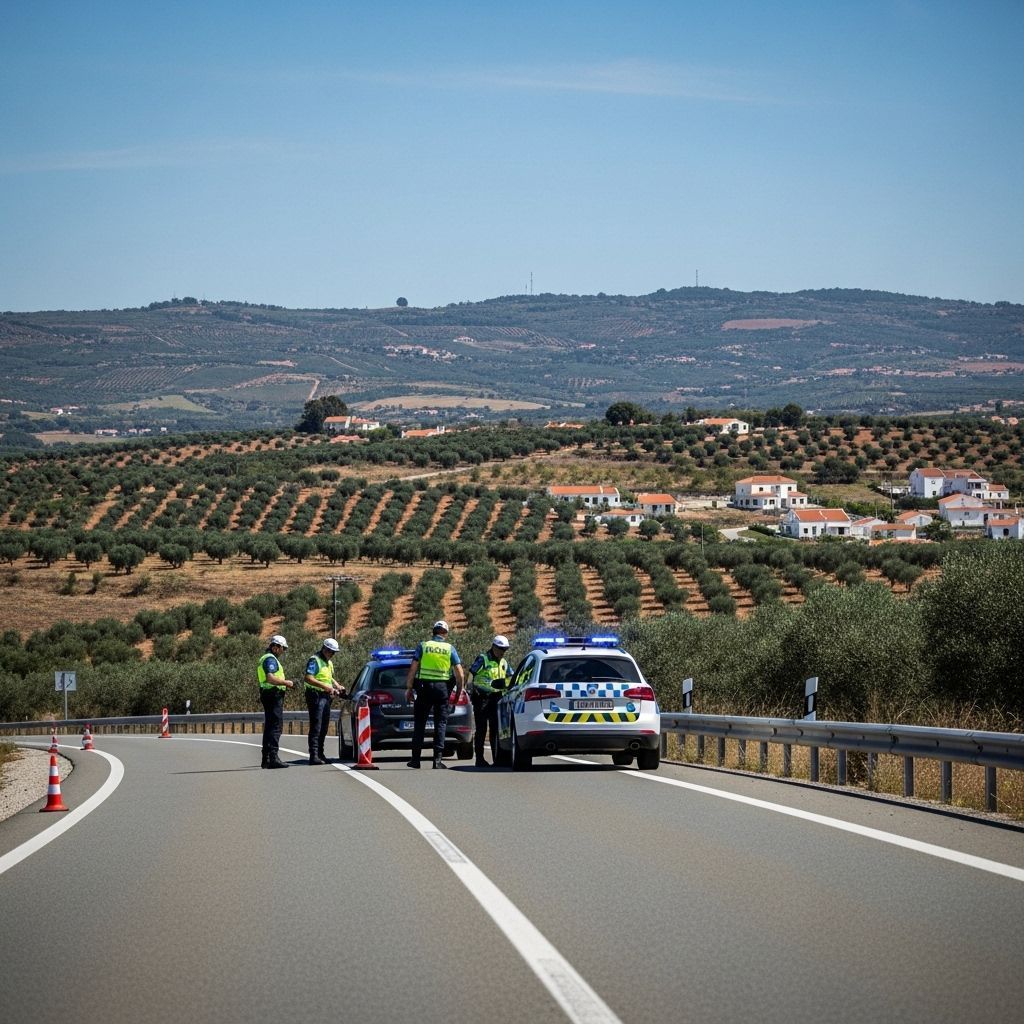
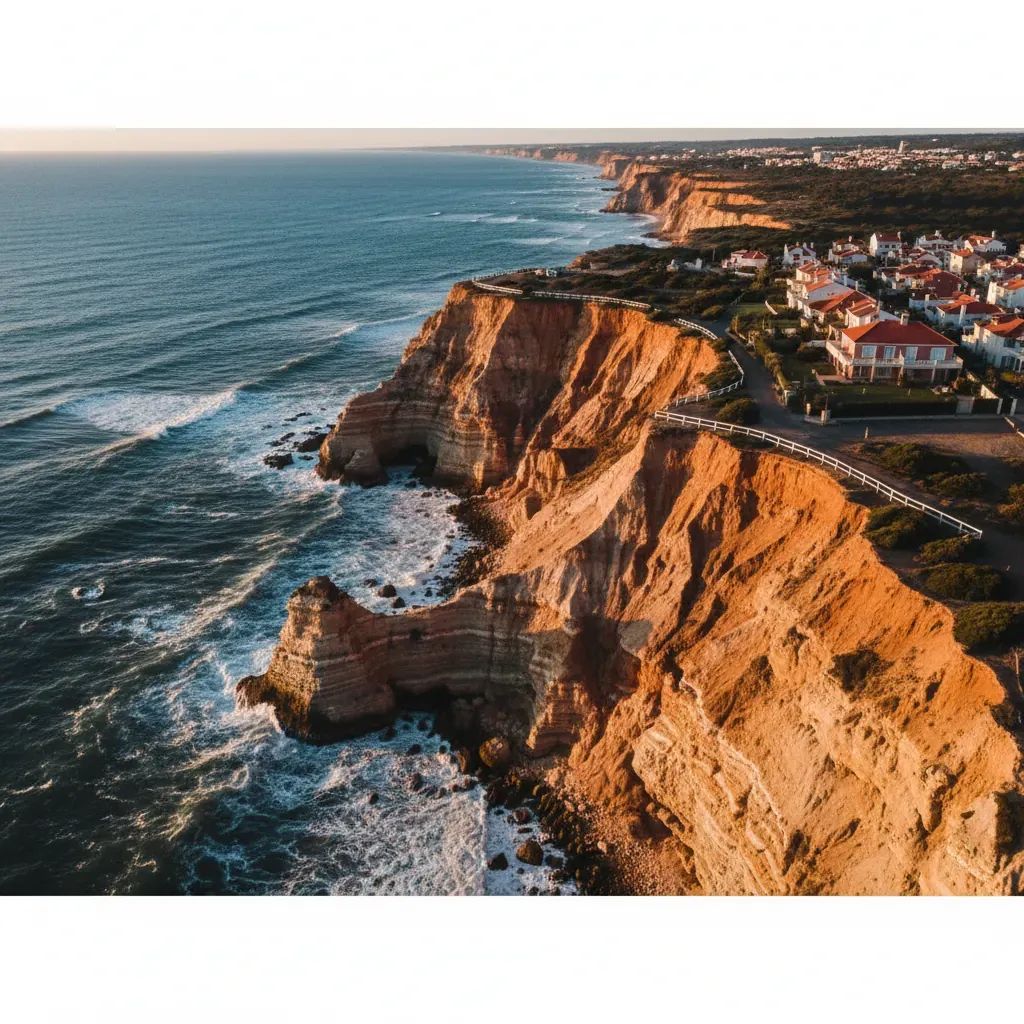
A 24-year-old man drowned at Costa da Caparica's Praia do Dragão Vermelho on Thursday evening after being caught in a rip current—the second fatal drowning at this beach in less than two months. The Portugal Maritime Police confirmed the fatality late yesterday, with the Portugal Air Force locating his body approximately two hours after the initial alert at 7:25 PM on May 28. A couple had been reported struggling in the water near Praia do Dragão Vermelho, and while rescue teams managed to extract one member of the couple, the young man, an Angolan national, disappeared beneath the surface as currents pulled him away from shore.
Why This Matters
• Drowning deaths are surging this year: Portugal has recorded a significant spike in drowning deaths in 2026, with tragic incidents occurring earlier in the season than typical.
• Unguarded beaches remain lethal: Seven out of 10 drownings during the 2025 swim season occurred in non-monitored zones.
• Rip currents are the primary killer: Experts identify "agueiros" (rip currents) as the leading cause of ocean fatalities in Portuguese waters, intensified by recent storm activity that reshaped coastal topography.
What Happened on the Costa da Caparica
Rescue teams activated multiple assets—including the Portugal Maritime Police Lisbon Command, Cascais lifeboat station personnel, and a Portuguese Air Force aircraft—to locate the man who vanished after being dragged offshore while swimming with a companion. By 9:24 PM, the Air Force helicopter spotted his body on Nova Praia, a stretch of coastline south of Dragão Vermelho. Medical personnel declared him dead at the scene, and the remains were transferred to the National Institute of Legal Medicine and Forensic Sciences in Lisbon.
The Maritime Police Psychology Unit deployed crisis counselors to support the victim's family through the aftermath. The Captain of the Port and Lisbon Maritime Police Local Commander coordinated the search operation, which followed established protocols under Portugal's National Maritime Search and Rescue System (SNBS). This framework links the Maritime Rescue Coordination Centers in Lisbon and Ponta Delgada with regional subcenters, integrating Navy vessels, Air Force helicopters, emergency medical teams, firefighters, and coastal lifeguard stations.
A Deadly Pattern at Dragão Vermelho
This marks the second drowning at Praia do Dragão Vermelho since April 1, when a 17-year-old disappeared after entering the water during a beach football game. Search teams recovered that teenager's body 12 days later on Sesimbra's Ponte Seca beach, roughly 30 kilometers southeast along the coast. The repetition of tragedies at this specific location underscores the hazard posed by persistent rip currents along the Costa da Caparica shoreline, particularly near jetties and groins where hydraulic forces intensify.
Impact on Residents and Beachgoers
Portugal's coastal residents and visitors face a documented increase in drowning risk heading into the traditional swim season. Comparative data shows 121 drowning deaths across all aquatic environments in 2024, with 49 fatalities by late May 2025—highlighting the ongoing danger during peak beach months. The 2025 swim season (May through September) tallied 18 beach deaths, 12 of which were drownings.
Authorities attribute much of this year's elevated danger to winter storms that altered beach morphology along the west coast, creating steeper drop-offs and amplifying rip current phenomena. The National Maritime Authority (AMN) notes that outside official lifeguard coverage—which typically begins in mid-June—most Portuguese beaches operate without professional surveillance, significantly delaying emergency response times.
Which Beaches Pose the Greatest Risk
Portugal's west coast beaches near Cascais and Sintra consistently rank as the most treacherous due to powerful Atlantic swells and unpredictable undercurrents. Specific high-risk locations identified in safety reports include:
• Praia do Guincho (Cascais): notorious for relentless wave energy and strong rip currents
• Praia da Consolação (Peniche): classified among the nation's most dangerous due to agitated waters
• Praia do Salgado (São Martinho do Porto): rough conditions year-round despite lifeguard presence
• Praia da Adraga (Sintra): powerful surf breaks
• Boca da Lagoa de Albufeira: permanent strong currents intensified by tidal flow
• Frente Urbana da Costa da Caparica: currents near jetties vary with weather but remain persistently hazardous
The 2014 tragedy at Praia do Meco (Sesimbra), where a rogue wave killed six students, and the 2007 incident at Praia do Tonel (Sagres), which claimed two British couples, illustrate how quickly conditions can turn fatal. Beyond drowning risks, many beaches face unstable cliffs prone to collapse—common in the Algarve, Alentejo, and Lisbon coast regions—and periodic water contamination alerts.
If You're Caught in a Rip Current
The most important thing: Do not panic. Survival depends on recognizing rip current behavior and staying calm. If caught in an offshore-pulling current:
Do not fight the flow directly. Swimming against a rip current exhausts even strong swimmers within minutes.
Swim parallel to the shoreline until free of the current's pull, then angle back toward land.
Signal for help by waving your arms and shouting if lifeguards are present.
How to Stay Safe in Portuguese Waters
Additional prevention measures include:
• Respect flag warnings: Red flags prohibit swimming; yellow demands caution; green signals safe conditions.
• Choose monitored beaches during official lifeguard hours, typically 10 AM to 7 PM in summer.
• Ask local lifeguards about specific hazards—submerged rocks, sudden depth changes, unpredictable tides.
• Check tide tables and weather forecasts before heading to the beach, especially during stormy periods.
• Keep children within arm's reach near the water, away from wet sand zones where waves can surge unexpectedly.
• Avoid alcohol consumption before swimming, which impairs judgment and reaction time.
• Wait 2.5 to 3 hours after meals before entering the water to prevent digestive shock.
• Enter gradually after sun exposure to prevent thermal shock in cold Atlantic water.
The National Maritime Authority launched the "Praia Segura" (Safe Beach) program and SeaWatch Project, deploying 4x4 vehicles and motorcycle patrols operated by Navy personnel to improve response coverage during peak season. The Institute for Assistance to Shipwrecked Persons (ISN) maintains coastal lifeboat stations, while the National Institute of Medical Emergency (INEM) coordinates offshore medical evacuations through its dedicated CODU-MAR dispatch center.
What the Government Is Doing
Portugal's Ministry of National Defense oversees the National Maritime Search and Rescue System, which obligates the Navy's Maritime Rescue Coordination Centers to prepare operational plans, conduct drills, and maintain 24-hour readiness. Local Port Captains serve as on-scene coordinators until higher command assumes control of complex rescue missions.
During the 2025 swim season, the Maritime Authority registered 16 beach deaths between May and August, prompting enhanced surveillance protocols and public awareness campaigns about rip current dangers. The Portuguese Federation of Lifeguard Swimmers (FEPONS) tracks drowning statistics year-round, revealing that non-guarded beach zones account for approximately 70% of fatal incidents.
Following the April 12-14, 2024, period when four disappearances occurred within 72 hours, the AMN issued explicit warnings that "the sea remains in winter mode, presenting elevated risk due to maritime agitation effects." That advisory proved prescient given the elevated drowning figures in subsequent years.
The deployment of psychology support units—as occurred in Thursday's Costa da Caparica incident—reflects institutional recognition of the trauma inflicted on witnesses, family members, and rescue personnel involved in drowning recoveries.
For anyone planning beach visits in Portugal, the single most important precaution remains deceptively simple: If there is no lifeguard on duty, think twice before entering the water. Emergency response in unmonitored areas can require 30 minutes or more, a delay that often proves fatal in drowning scenarios. And if you must swim in unsupervised conditions, never do so alone—a swimming partner dramatically increases survival odds when currents strike.