Portugal's Statistics Institute (INE) confirmed that consumer prices held steady at 3.3% year-on-year inflation in May, marking a plateau after April's acceleration but offering little relief to households grappling with a 13.2% surge in energy costs.
This stabilization masks diverging pressures across different sectors. While energy products climbed 13.2% compared to 11.7% in April, fresh food prices showed signs of cooling, decelerating to 5.7% from 7.5% the previous month. The core inflation measure, which strips out volatile food and energy components, remained anchored at 2.2%, matching April's figure and suggesting underlying price pressures are not yet spiraling beyond control.
Why Energy Costs Matter
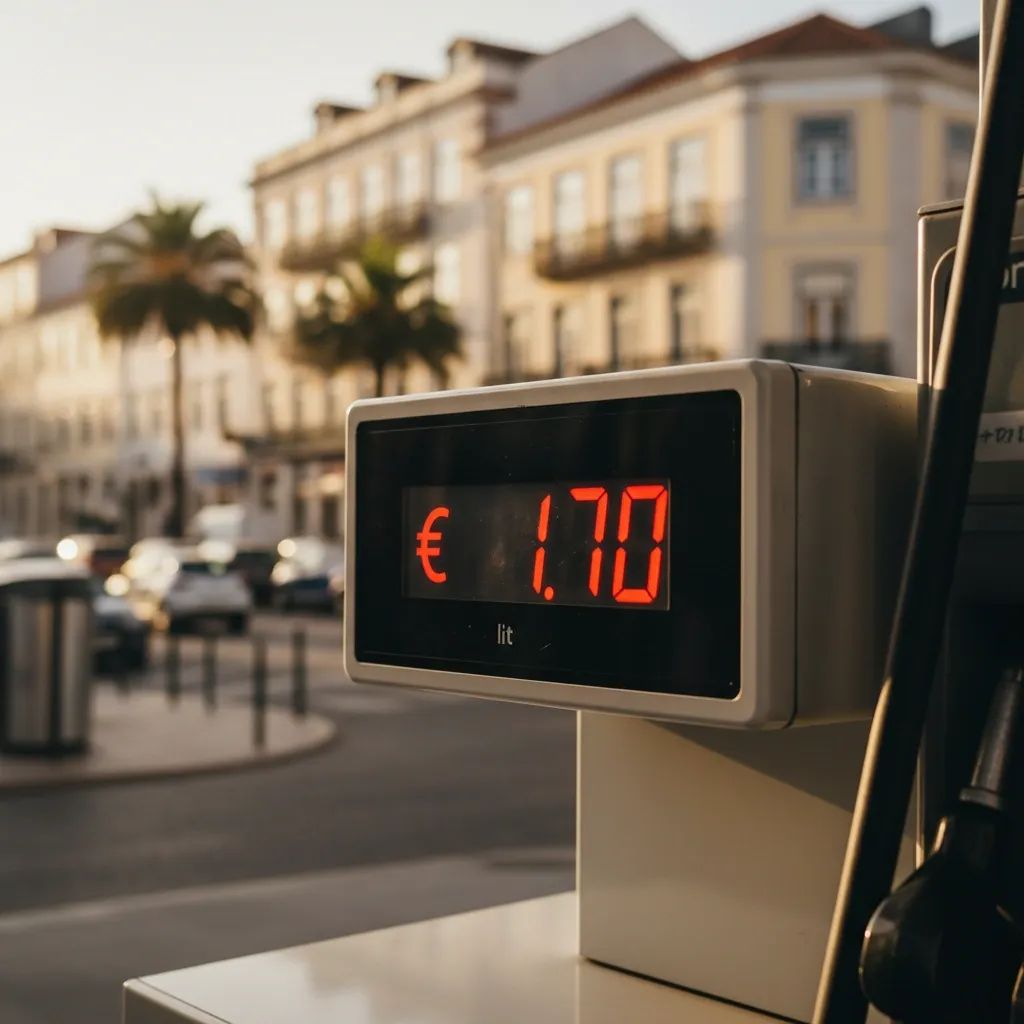
The energy component now represents the single most potent inflationary force in Portugal's economy. Fuel and energy product prices jumped 1.5 percentage points in a single month, driven by sustained oil market disruption stemming from Middle East geopolitical tensions. This continued pressure reflects Portugal's vulnerability to global commodity shocks.
Month-on-month, the Consumer Price Index (CPI) rose a modest 0.3% in May, down sharply from April's 1.4% spike. The 12-month rolling average ticked up to 2.5% from 2.4%, while the Harmonized Index of Consumer Prices (HIPC) — the EU-comparable metric — registered 3.1% year-on-year, slightly below the national CPI.
What This Means for Residents
For Portuguese households, the May data translates to continued erosion of purchasing power concentrated in specific areas:
• Fuel and heating bills remain under sustained pressure from energy price increases.
• Fresh produce prices are easing, providing modest relief at supermarket checkouts after months of acceleration.
• Core goods and services outside food and energy show stable price growth, suggesting the broader economy has not yet entered a wage-price spiral.
The INE will publish definitive May figures on June 12, but preliminary estimates typically align closely with final readings. For now, residents should anticipate inflation remaining above the European Central Bank's 2% target, with energy volatility the primary concern.
ECB Signals Potential Rate Action
The European Central Bank's Chief Economist Philip Lane confirmed that the institution will revise inflation projections upward in June, driven by oil prices exceeding March forecasts. He warned that if energy costs remain elevated, the impact on global economies could worsen, with effects potentially rippling beyond fuel pumps into broader price categories.
Philip Lane emphasized that an energy shock leading to generalized inflation would create a serious problem, though he stopped short of committing to a specific rate decision. Markets are pricing in a 91% probability of a 25-basis-point rate hike in the deposit rate at the ECB's June 10-11 meeting in Frankfurt.
Isabel Schnabel, a member of the ECB's Executive Board, has publicly supported tightening policy. Lane maintained the ECB's cautious stance, noting that "in a world of uncertainty, we don't make commitments in advance" and that timing depends heavily on how quickly the Middle East conflict is resolved.
The conflict escalated earlier this week when the United States launched strikes on Iran, extending challenges for oil market normalization. The ongoing Middle East tensions continue to keep energy markets under pressure.
What Happens Next
The June 10-11 ECB meeting will likely determine borrowing costs for the remainder of 2026. A rate increase would raise mortgage payments for variable-rate homeowners and increase business financing costs, potentially affecting investment and consumption.
For residents, the practical takeaway is straightforward: monitor your energy costs through the coming months, watch for potential interest rate increases affecting loans and mortgages, and keep an eye on the June 12 final inflation report for confirmation of today's preliminary figures. Food price relief may continue if agricultural supply chains stabilize, but energy volatility remains the dominant variable shaping household finances in the near term.