The Portugal Ministry of Internal Administration has announced the restoration of a specialized national traffic enforcement unit, nearly two decades after its dissolution, as part of a sweeping road safety overhaul aimed at improving road safety outcomes on the country's streets and highways.
Why This Matters:
• Traffic enforcement will intensify: Random checkpoints without prior announcement start immediately, and speed camera coverage expands nationwide.
• Harsher penalties coming: Drunk driving sanctions will increase, license suspension thresholds will drop, and traffic violation statute of limitations will extend to provide more time for case resolution.
• Urban pedestrian safety targeted: Portugal has acknowledged concerns about road mortality in urban areas, where a significant proportion of deaths occur in cities.
• New unified traffic code: A consolidated road code combining scattered legislation will replace the current patchwork system.
The Brigade Returns After Previous Shutdown
The Guarda Nacional Republicana (GNR), Portugal's gendarmerie force responsible for rural and highway policing, will resurrect its Brigada de Trânsito (Traffic Brigade) following its 2007 shutdown. Interior Minister Luís Neves confirmed the decision after signing a joint memorandum with the National Road Safety Authority and the Polícia de Segurança Pública (PSP), the urban police force.
The brigade's elimination in 2007 came during a broader security force restructuring. Corruption cases marked the Traffic Brigade at the time, though the full details have been documented in official records. The dissolution was meant to streamline command structures, with traffic enforcement dispersed among regional territorial groups. However, according to Neves, Portugal lost "the essence of continuous and specialized road surveillance" for the past 19 years. The minister argued that only a unified national specialized command can ensure the effectiveness, uniformity, and operational control necessary for modern traffic policing.
Lieutenant General Paulo Jorge Alves Silvério, the GNR's second-in-command, told state broadcaster RTP that the force "never agreed with the brigade's extinction" and views its restoration as essential to strengthening prevention, enhancing road safety culture, and significantly reducing deaths. He acknowledged the corruption history but insisted that "internal oversight structures are alert" to prevent recurrence. No specific reactivation date has been announced.
What This Means for Drivers and Pedestrians
The brigade restoration sits within a 40-measure emergency package announced by Neves, who emphasized the importance of improving road safety and addressing problematic driving behaviors.
The government has highlighted concerns about road safety trends and has committed to addressing persistent challenges through this comprehensive approach.
For residents and regular commuters, the practical changes announced include:
Enforcement shifts: Police checkpoints will no longer be announced in advance through media or social channels. The stated goal is to create constant uncertainty rather than predictable avoidance windows.
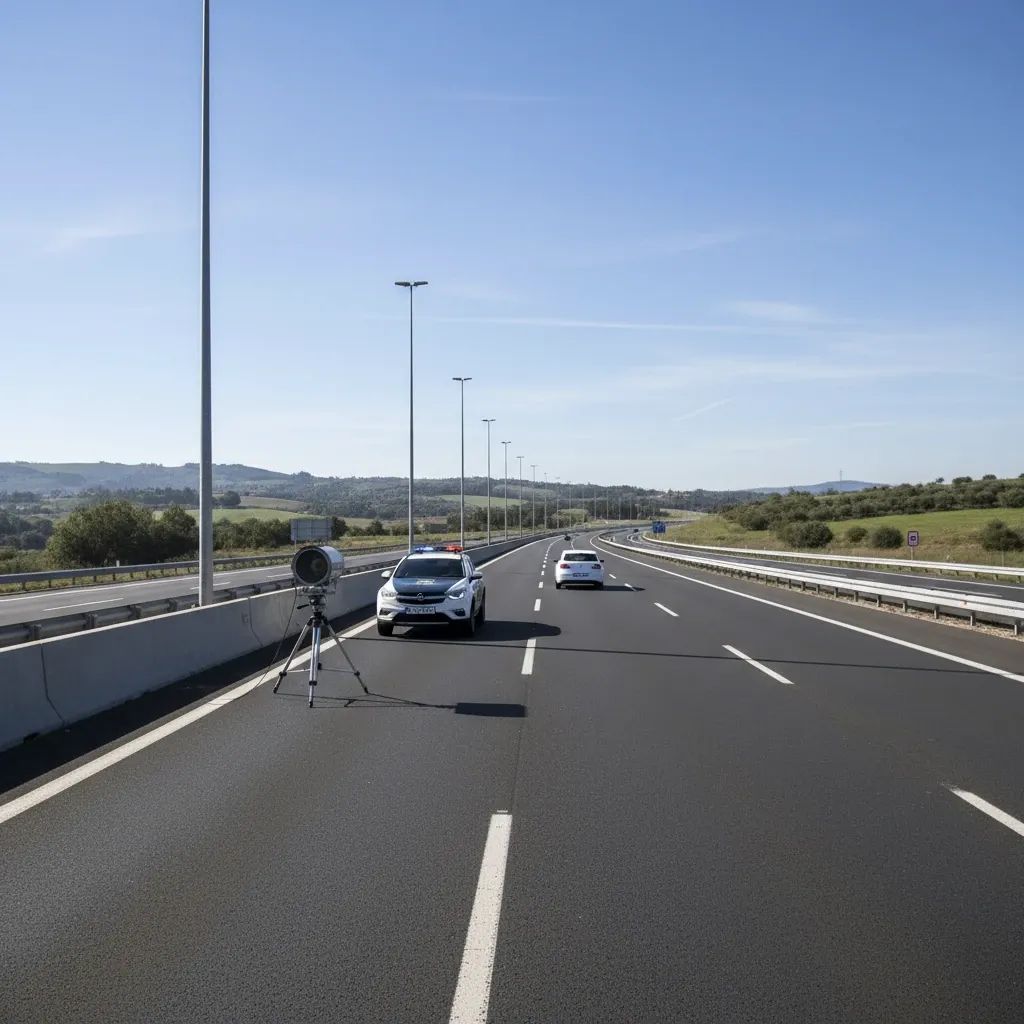
Speed monitoring expansion: Additional fixed and average-speed cameras will be deployed on high-risk corridors.
License suspension triggers: The criteria for losing driving privileges will broaden, though specific thresholds have not yet been detailed.
Alcohol penalties: Already strict laws against drunk driving will carry "aggravated punishment," with the government signaling both increased fines and longer suspensions.
Statute of limitations extension: Traffic violation cases frequently expire before resolution due to bureaucratic delays. The government will extend the prescription period to provide more time for case resolution and ensure offenders cannot simply wait out enforcement.
Legislative Overhaul in the Pipeline
Beyond enforcement, the government is drafting a new consolidated Road Code to replace the current fragmented regulatory landscape built through decades of amendments and supplementary decrees. The code will incorporate a more demanding penal and contraordination framework, particularly targeting high-risk behaviors.
The National Road Safety Strategy is currently in the legislative process and expected to win approval.
Operational Questions Remain
While the policy framework is now clear, implementation details remain vague. The Traffic Brigade's staffing levels, geographic deployment, and coordination with existing territorial units have not been specified. The GNR has said the restoration will make operations "more efficient on the ground" and achieve "better results with the same resources," though specifics on resource allocation have not been provided.
The government has also emphasized that internal oversight mechanisms exist to prevent recurrence of corruption issues, though further details on these safeguards have not been disclosed.
Digital modernization may help. The government announced plans to digitalize contraordination processes to accelerate case resolution and reduce prescription losses, though no timeline was provided.
Whether these measures translate into improved road safety outcomes depends on consistent implementation, adequate staffing, and sustained political will beyond the announcement phase. Drivers should expect a markedly different enforcement environment in the coming months, with visible patrols, surprise checkpoints, and reduced tolerance for violations.