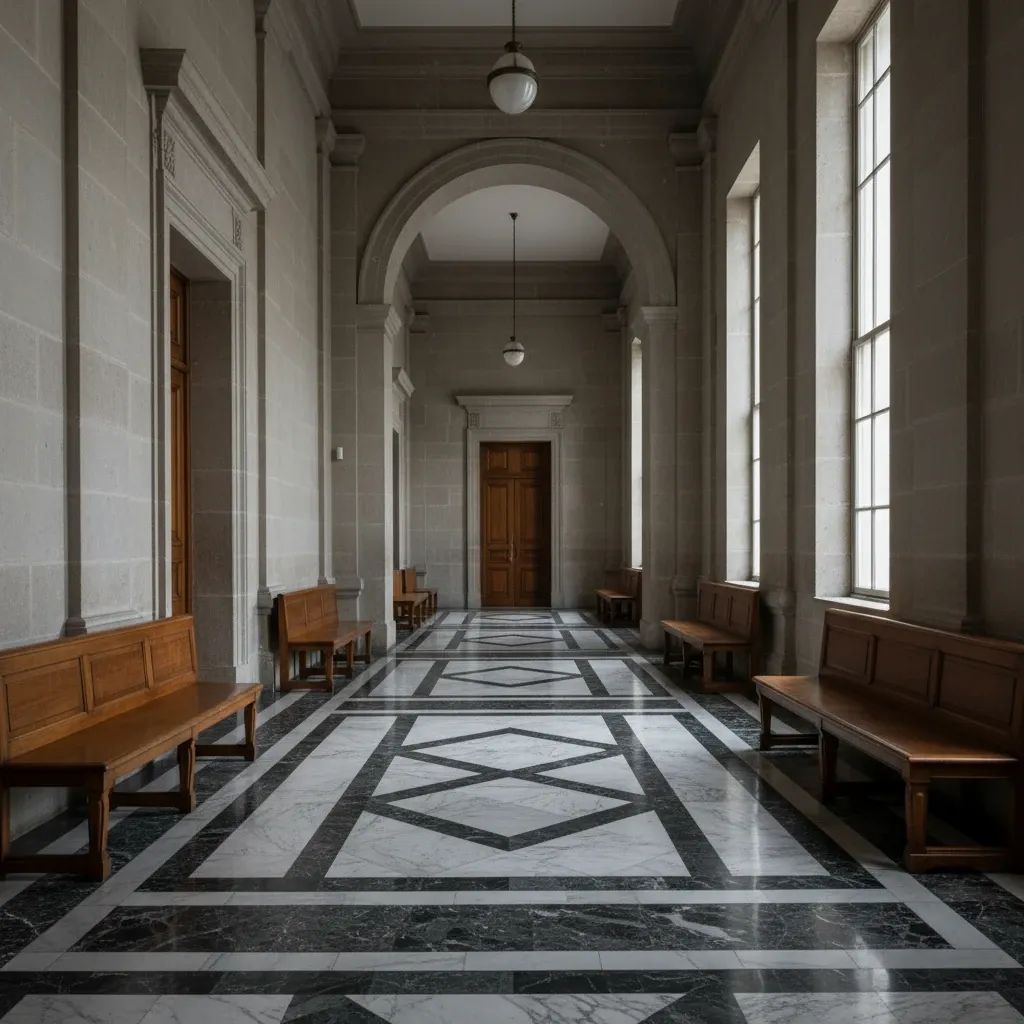
The Maia Court in the Porto district suspended all morning hearings on Monday after a burst water pipe flooded the main electrical panel, forcing judges, lawyers, and defendants to reschedule. The incident—blamed on heavy weekend rainfall and possible roof repair work—disrupted proceedings, though power was restored by mid-morning and afternoon sessions proceeded as planned.
What Happened
According to sources at the Maia Court, technicians arrived on-site shortly after the power cut was reported. They traced the problem to a discharge pipe that ruptured near the electrical switchboard. Water from the burst pipe infiltrated the panel, creating a safety hazard that required an immediate shutdown.
Initial assessments pointed to two contributing factors: torrential rain that hit the Porto region over the weekend, and recent roof repair work that may have created structural vulnerabilities. By mid-morning, emergency electricians had isolated the damaged section, dried out the panel, and restored power. All afternoon hearings proceeded as scheduled, demonstrating the swift resolution of the incident.
Immediate Impact on Court Operations
• Morning hearings postponed: All proceedings scheduled between 9:00 and 12:30 were rescheduled.
• Procedural delays: Cases already affected will need to be accommodated into future court calendars.
• Disruption for court users: Lawyers, witnesses, and defendants faced wasted trips and the need to reschedule around new dates.
What This Means for Court Users
If you have a case scheduled at the Maia Court or any other Porto district tribunal, consider the following:
• Verify hearing dates: Court clerks are contacting affected parties to reschedule. Confirm your new date directly with your lawyer or the court registry.
• Expect rescheduling delays: The morning docket will need to be accommodated in future court slots, which may add delays to other scheduled hearings.
• Plan for contingencies: If you're a witness or defendant, keep flexible arrangements for travel and work leave when your rescheduled date is confirmed.
For legal professionals, the incident underscores the value of direct communication with court registries. Some lawyers arriving at the Maia Court on Monday were not immediately notified of cancellations, highlighting the importance of confirming hearing status before traveling.
Infrastructure and Building Maintenance
While this incident was resolved quickly, it raises questions about preventive maintenance at court facilities. Portugal's judicial buildings, many erected decades ago, were not designed with modern safeguards for managing water infiltration near critical electrical infrastructure. Modern building codes require isolation zones and waterproofing around electrical systems, but older structures often lack these protections.
The Portugal General Directorate for Justice Administration (DGAJ), which oversees court facilities, may consider this incident as part of broader facility assessments, though no specific announcements have been made regarding the Maia building.
Looking Forward
As of now, the Maia Court has completed emergency repairs. Staff will continue normal operations while facility assessments determine whether long-term upgrades to electrical and plumbing systems are warranted to prevent similar incidents in the future.