

The Portugal aviation sector is bracing for what analysts call an unavoidable ticket-price surge, triggered by a doubling of jet fuel costs following geopolitical tensions in the Middle East. If you have upcoming travel plans—whether a weekend trip to Madrid or a summer holiday to Brazil—expect to pay more, potentially much more, at check-out.
Why This Matters
• Fuel costs have doubled: Aviation kerosene jumped from $88 per barrel to over $216, far exceeding crude oil price rises.
• Airlines cannot absorb the costs: Industry leaders warn that ticket prices will inevitably rise as carriers pass expenses to passengers.
• Book now or pay later: Industry insiders warn that delays in purchasing tickets will result in even higher prices as the crisis drags on.
• Crisis could last months: Comparisons to post-9/11 disruptions suggest this is not a short-term blip.
The Numbers Behind the Shock
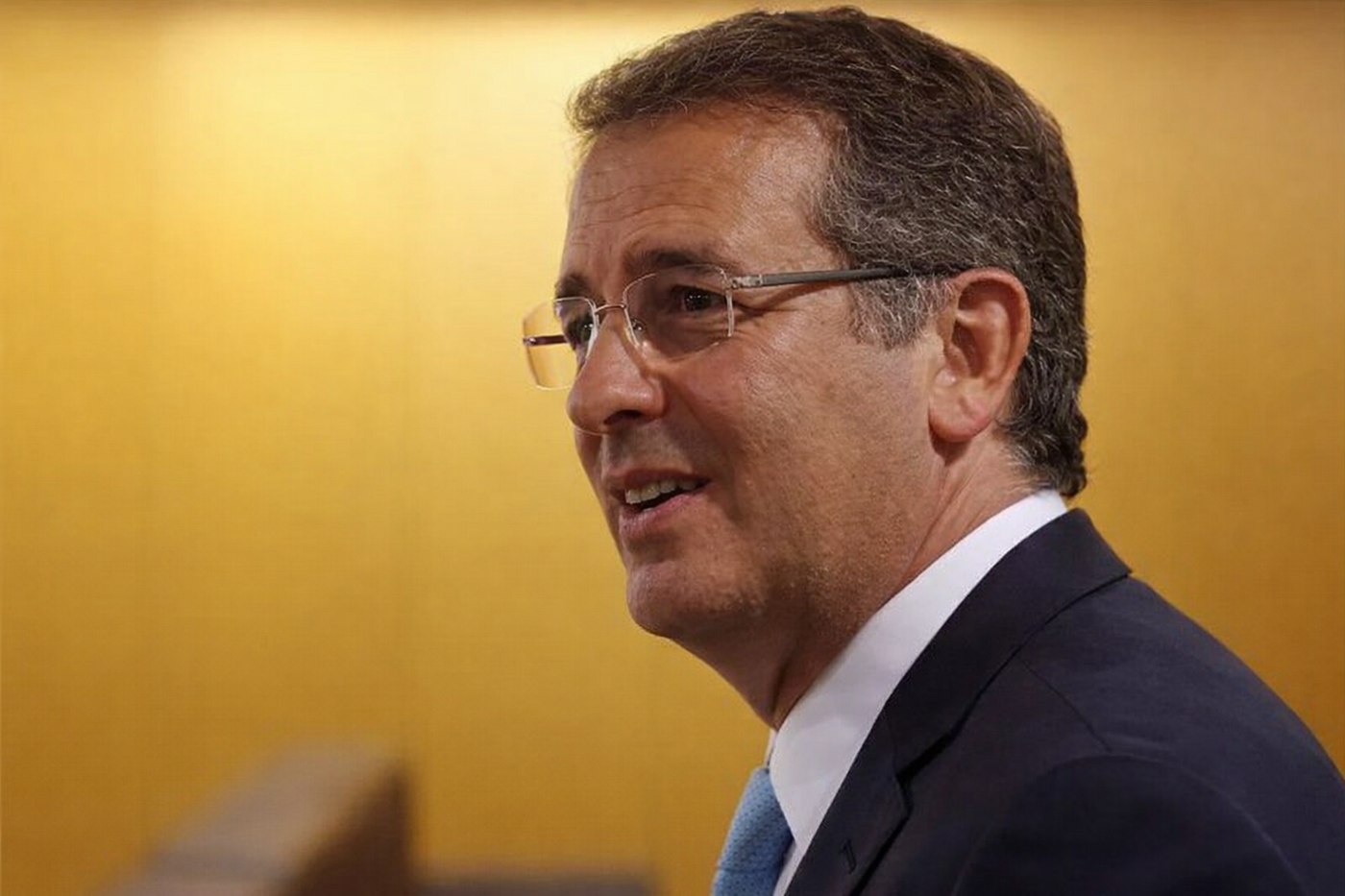
Willie Walsh, Director General of the International Air Transport Association (IATA), which represents 360 airlines accounting for 85% of global traffic, addressed the Aviation and Space Professional Journalists Association in Portugal earlier this week. His message was unambiguous: "You don't need to be a genius to deduce that the additional costs carriers will face, if this persists, will far exceed what they can absorb."
Airlines had budgeted for fuel to consume roughly 26% of operating expenses this year, based on a kerosene price of $88 per barrel. By Thursday, that figure had rocketed past $216. For context, fuel now represents significantly higher proportions of airline operating costs, a situation not seen since the oil shocks of the 1970s.
What This Means for Residents
If you live in Portugal and plan to fly in the coming months, here is what to expect:
Domestic and European Short-Haul: Budget carriers operating routes like Lisbon–Porto or Lisbon–Paris face mounting pressure from fuel costs. Analysts project cumulative fare increases over the coming quarter, as carriers have already begun adjusting prices.
Long-Haul International: Flights to Brazil, the United States, or Africa are hit hardest. Brazilian carriers—LATAM, GOL, and Azul—have already increased fares to passengers, and Portugal–São Paulo routes mirror those increases. Travelers booking summer trips to long-haul destinations should anticipate significant price jumps.
Practical Advice: Industry experts unanimously recommend purchasing tickets now rather than waiting. Fare algorithms are dynamic, and as inventory shrinks, prices will climb further.
The Geopolitical Trigger
The crisis stems from geopolitical tensions in the Middle East that have escalated into the most severe disruption to regional airspace since the COVID-19 pandemic. Key hubs have seen partial or full closures, forcing European carriers to reroute Asia-bound flights over longer trajectories, adding hours to journey times and burning more fuel.
How Long Will This Last?
Walsh compared the current crisis to September 11, 2001, when transatlantic routes collapsed for months. He noted that while underlying demand for air travel remains "robust," consumer behavior will shift: "People will still travel, but they will take shorter trips."
Analysts warn that sustained high energy prices could impact global economic conditions. For Portugal, a country reliant on tourism and business travel, any sustained impact on travel demand could reverberate through the tourism sector.
Industry Response and Outlook
IATA's Walsh emphasized that airlines cannot absorb the cost indefinitely. While some carriers hedge fuel purchases—locking in prices months ahead—many had only partial coverage or contracts based on pre-crisis rates. The result: immediate margin compression and no choice but to raise fares.
Multiple carriers globally are adjusting pricing in response to the fuel crisis, and further increases are expected if fuel costs remain elevated.
The Bigger Picture
This is not merely an aviation story—it is a stress test for economic resilience more broadly. Higher fuel costs feed into inflation via transport and logistics.
Walsh's bottom-line assessment holds: "It is inevitable that ticket prices will rise." The only questions are how much, how fast, and how long. For now, the best strategy is to book early, pack light, and prepare for a travel season shaped by fuel price volatility.


