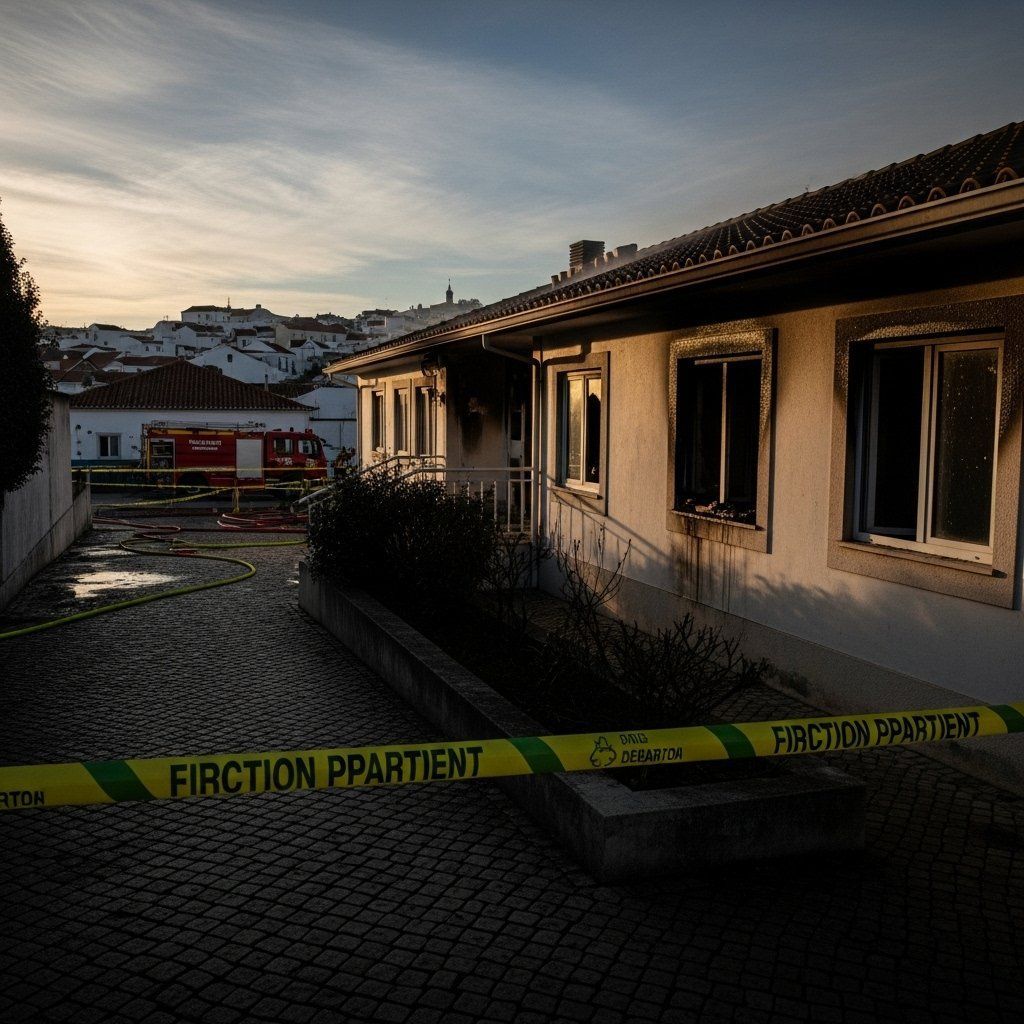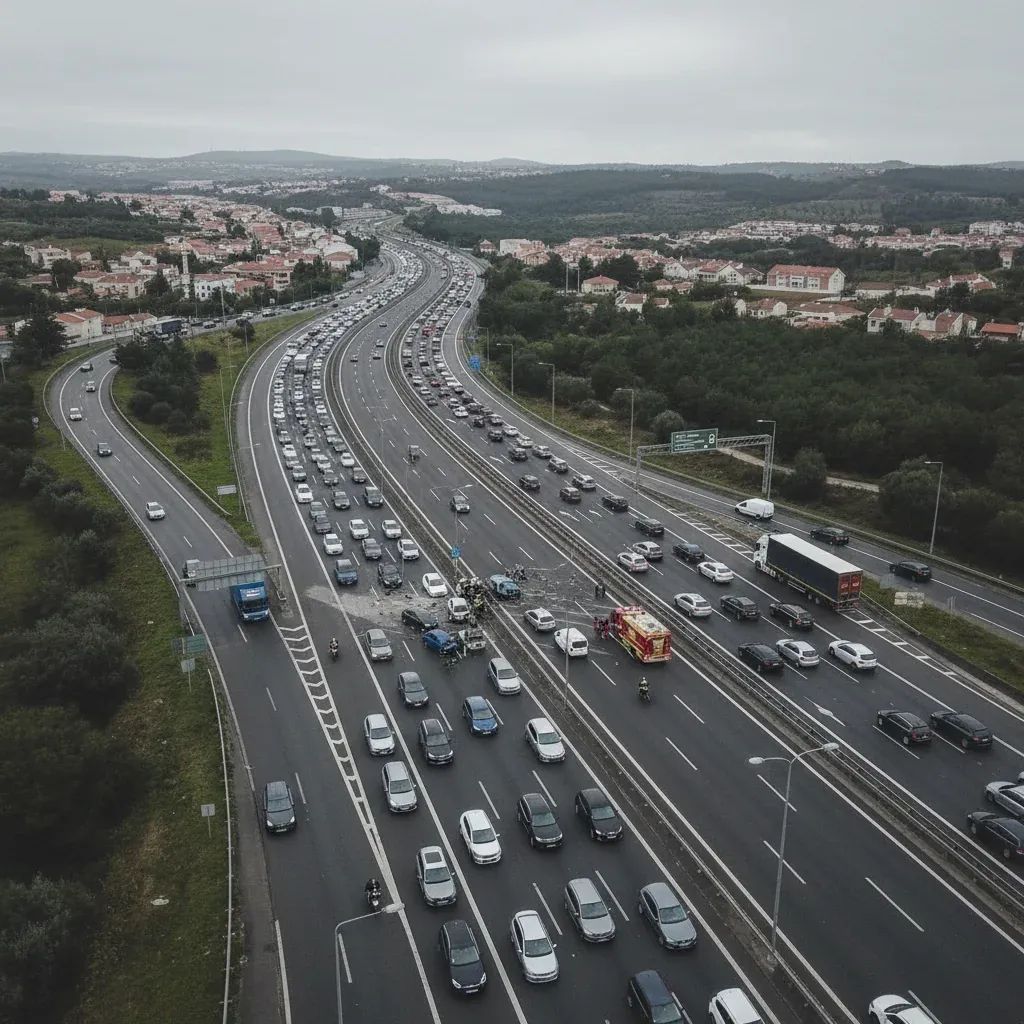
The Vasco da Gama Bridge, a critical artery connecting Lisbon to the Setúbal Peninsula, reopened Friday evening following a five-vehicle collision that sent six people to hospital. The incident, which shut down northbound lanes for approximately two hours during peak commute time, occurred at 4:50 PM and involved one vehicle that caught fire during the collision sequence.
What Happened on the Bridge
The Greater Lisbon Emergency and Civil Protection Sub-regional Command received the first emergency call at 4:50 PM on Friday. Five vehicles collided in rapid succession on the northbound deck, with one vehicle catching fire. The blaze was extinguished by 25 emergency personnel from Sacavém Fire Brigade, supported by the Guarda Nacional Republicana (GNR) highway patrol and Lusoponte maintenance crews.
All six occupants sustained minor injuries, according to the Portugal National Institute of Medical Emergency (INEM). Two were transported to Hospital do Barreiro, two to Hospital de São José in central Lisbon, and two to Hospital Beatriz Ângelo in Loures. The dispersal pattern reflects standard protocol for multi-casualty incidents—distributing patients to avoid overwhelming any single emergency department.
By 6:33 PM, one of the bridge's three northbound lanes had reopened, though congestion persisted well into the evening. Full capacity was restored before midnight, Lusoponte confirmed.
Investigation Underway
Investigators have not yet determined the exact sequence of events leading to the collision. According to reports, one of the vehicles involved was a Tesla electric sedan. The GNR Traffic Division is leading the investigation, with support from INEM and Lusoponte's safety team.
Electric vehicle fires can behave differently from conventional fuel fires, and authorities are examining all factors that may have contributed to the incident. Investigators are analyzing witness accounts and traffic camera footage to establish a complete timeline.
Bridge Safety Infrastructure
The Vasco da Gama Bridge is equipped with 91 surveillance cameras fed into a central control room at the toll plaza, allowing operators to detect stopped vehicles or debris quickly. Twelve emergency lay-bys provide refuge for disabled cars. Three weather stations monitor wind, visibility, and precipitation—critical data for a bridge that regularly closes to motorcycles and high-sided trucks during Atlantic storms.
Lusoponte, the concessionaire that operates the crossing, has pledged to review Friday's response time and lane-reopening procedures. The company noted that its patrols reached the scene within four minutes of the alert, consistent with target benchmarks.
Impact on Commuters
For the thousands of residents who cross the Tagus daily, Friday's closure underscored the importance of infrastructure reliability. The 25 de Abril Bridge to the west provides an alternative route, though it has narrower lanes and lower clearance that limit its capacity during major incidents.
What Residents Should Know
If you commute via the Vasco da Gama Bridge, remember these safety essentials:
Emergency lane discipline matters. Portuguese law requires drivers to form a corridor between the leftmost and center lanes during stopped traffic, allowing emergency vehicles to pass. Non-compliance delays medical response and increases injury severity.
Weather restrictions are in place. When wind speeds exceed threshold levels, motorcycles and high-sided lorries are barred from crossing. Check Lusoponte's live feed before departure during adverse weather.
If involved in a collision, prioritize safety. Exit your vehicle and move to an emergency lay-by if possible. This is especially important in incidents involving vehicle fires.
For now, the bridge remains open under normal conditions with all safety systems operational. Lusoponte continues to monitor the incident response and will provide updates as the investigation progresses.