

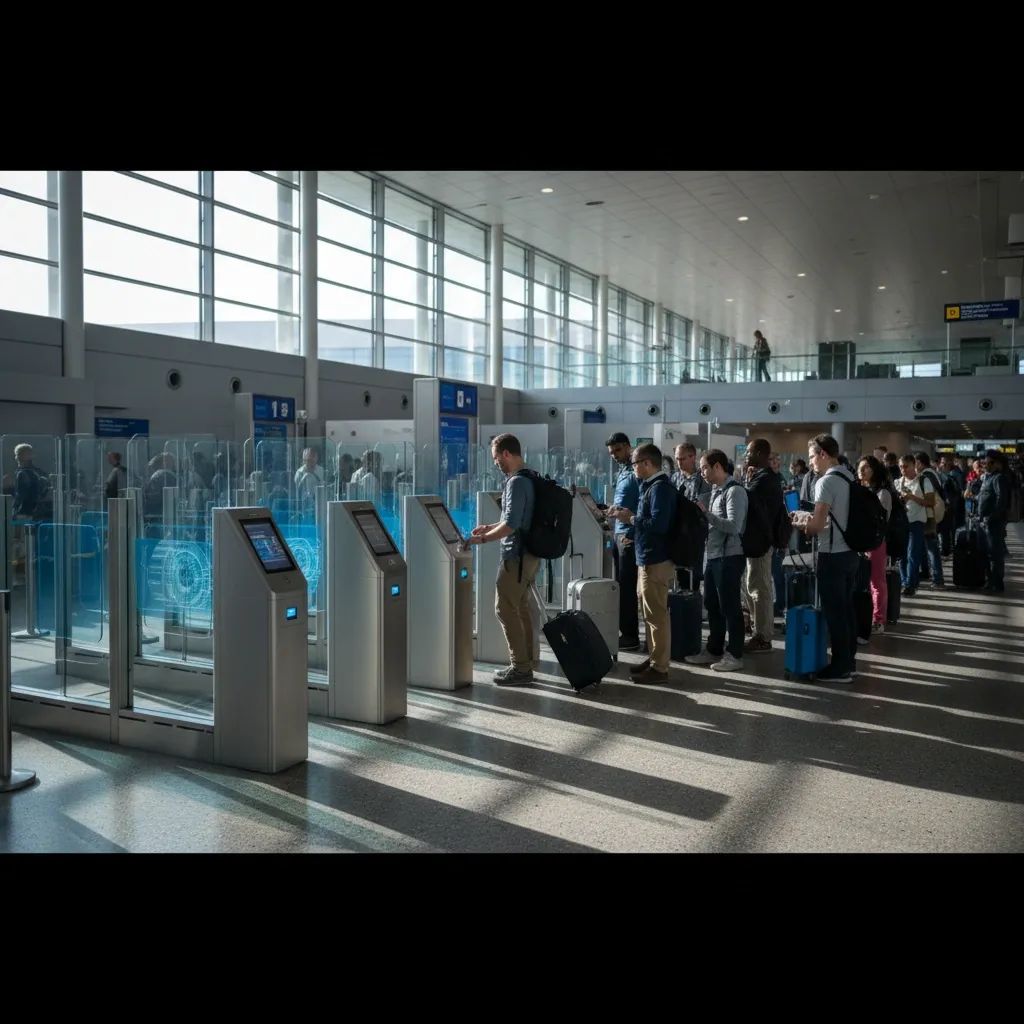
The Portugal Algarve hotel sector has issued an appeal to suspend biometric border controls at Faro Airport during the summer 2026 peak season, citing concerns about potential operational disruptions and passenger experience. The Algarve Hotels and Tourism Association (AHETA) has called for a June 1–September 30 suspension of the EU's Entry/Exit System, though Portuguese authorities have not yet announced a formal response to this request.
The EU Border Control System and Why It Matters
The Entry/Exit System (EES), agreed upon by 29 Schengen member states, replaces passport stamps with digital biometric registration—facial scans and fingerprints—for all non-EU travelers entering the zone. The system is designed to enhance security, prevent security threats, and streamline data collection across Schengen borders while modernizing immigration processing.
Full rollout is scheduled for April 9, 2026, with testing having begun in October 2025 across European airports.
The Implementation Challenge
• Timeline collision: EES goes live on April 9, 2026—just as Algarve's high season begins.
• British tourists affected: Over 50% of Faro's April-October traffic comes from the UK, a non-Schengen country fully subject to the new biometric checks.
• Winter trial results: Lisbon Airport recorded seven-hour wait times during the winter trial phase and subsequently suspended EES operations for three months in December 2025 to restore normal passenger flow.
• Processing increases: Testing showed processing times increased up to 70% compared to traditional stamp controls, prompting concerns about peak-season bottlenecks.
Why Hotels Are Concerned
The hotel association argues that Gago Coutinho Airport in Faro handles the bulk of Algarve-bound tourists, and the region's peak season runs between April and October. With British holidaymakers accounting for more than half of all arrivals during this window, and with post-Brexit UK passport holders now subject to full Schengen entry protocols, AHETA contends that the system's rollout timing creates operational risk.
North American market growth is also flagged as vulnerable. US and Canadian tourists will face the same biometric registration upon arrival, the association notes, potentially affecting the region's market diversification strategy.
In a formal letter to the Portugal Prime Minister and the ministries of Economy and Tourism, AHETA described the combination of operational challenges and peak-season timing as concerning. The association has also called for an urgent increase in border personnel and electronic control kiosks at Faro.
The Regulatory Framework and Precedent
Under EES regulations, member states retain flexibility to suspend operations partially or entirely for up to 90 days, with a possible 60-day extension to manage peak-season surges. Portugal has already invoked this mechanism once: after Lisbon's winter congestion, authorities halted EES operations temporarily and resumed limited testing in mid-January.
France has also taken a cautious approach. Operators of Paris Charles-de-Gaulle and Orly airports have formally requested a total suspension during summer months, citing insufficient border staff and technical concerns. The British Association of Travel Agents has similarly recommended suspension during peak periods.
Government and EU Perspective
While the hotel industry has raised concerns, Portuguese authorities and EU officials argue that the EES represents a necessary security modernization. The system is intended to strengthen external border security and provide member states with better data management for immigration and security purposes. The European Commission has acknowledged the built-in contingency mechanism for suspensions, recognizing that flexibility exists to manage implementation challenges.
To date, Portugal's government has not formally announced whether it will grant AHETA's request for a summer suspension at Faro.
Broader Implications for Algarve's Economy
The Algarve's economy is substantially dependent on tourism, with the sector accounting for a disproportionate share of regional GDP, employment, and foreign exchange earnings. AHETA warns that significant airport delays during peak season could affect visitor perceptions and competitiveness against rival Mediterranean destinations like Spain's Costa del Sol and Greece's islands.
However, other stakeholders—including airport operators and government officials—have not yet publicly detailed their position on the suspension request or their operational readiness for the April 2026 rollout.
What This Means for Portugal Residents and Those Planning Travel
For Portugal expats and residents, the EES implementation is a practical consideration for travel planning. If you're planning to host visitors from the UK, US, or Canada this summer, factor in possible airport delays at arrival, particularly between April and October. Advise guests to allow extra time during peak hours, especially if they have onward domestic connections or pre-booked activities.
For Portuguese residents traveling to non-Schengen countries, the EES will not directly affect return journeys to Portugal, as the system applies to non-EU travelers entering the Schengen zone. However, Portuguese citizens traveling abroad and returning through major Schengen hubs may experience delays if congestion spreads across the network.
For those working in hospitality, transport, or tourism services in the Algarve, the next few weeks may clarify the government's decision. Whether Portugal elects to seek a temporary suspension will depend on how authorities weigh short-term operational considerations against the broader EU framework.
The Entry/Exit System implementation at Faro remains subject to ongoing consultation between the hotel industry, airport operators, and Portuguese authorities. As of early March, the situation is still developing, and residents should stay informed through official channels for any formal announcements regarding potential adjustments to the April 2026 rollout.


