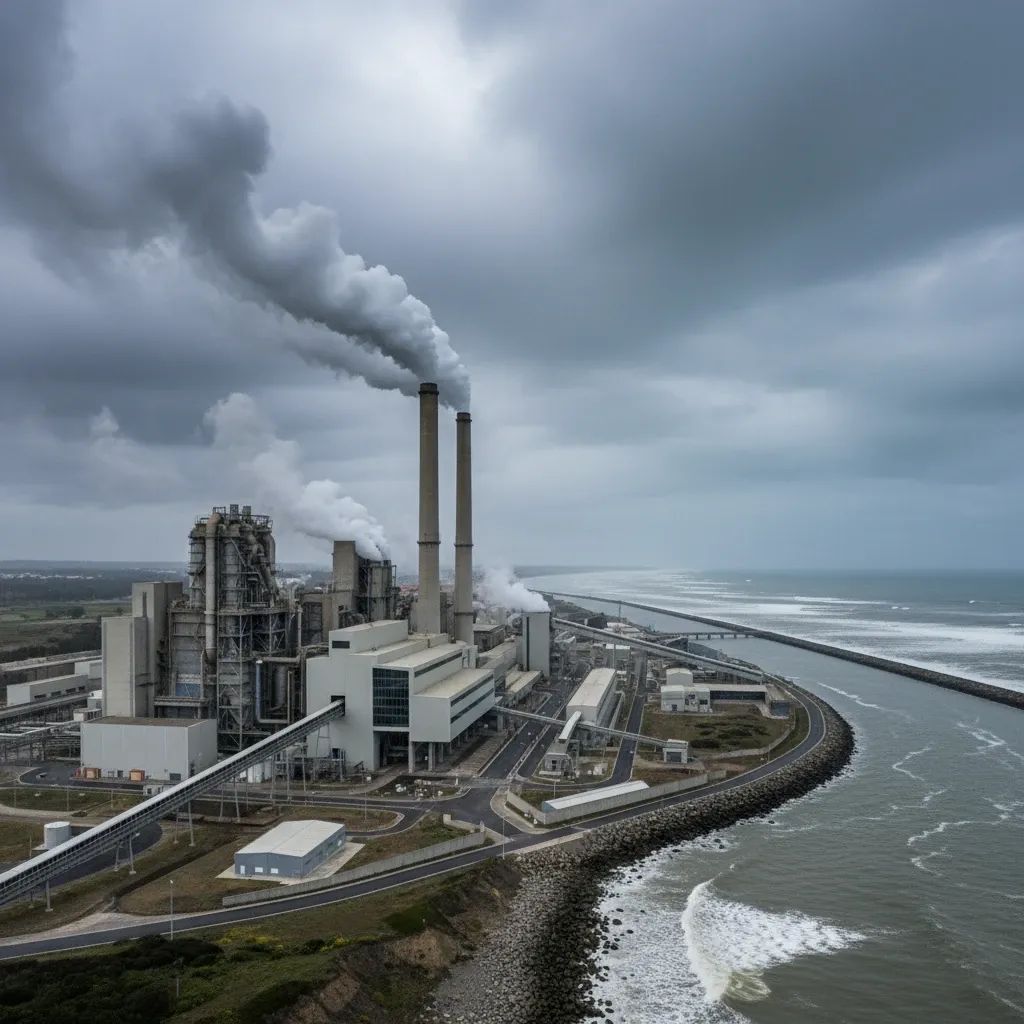
The Navigator Company, Portugal's flagship paper and pulp producer, has reported a 64.3% collapse in net profit for the first quarter of 2026, dropping to €17.2M compared to €48.3M in the same period last year. The dramatic decline reflects soaring energy costs and operational pressures that have rippled through the European paper sector—and it's a story that reaches far beyond corporate balance sheets for anyone living in Portugal.
Why This Matters:
• Economic indicator: Navigator is one of Portugal's industrial anchors; its struggles signal broader manufacturing stress.
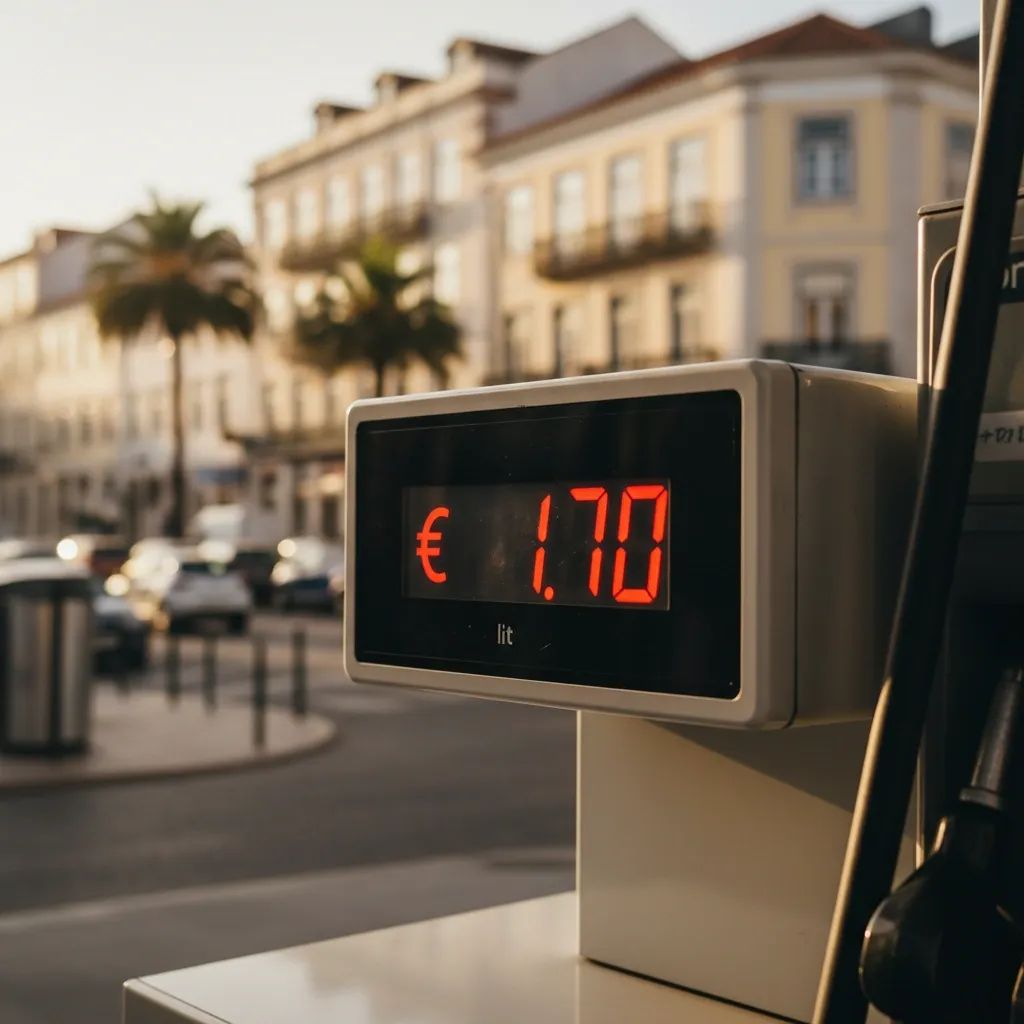
• Energy cost crisis: Geopolitical developments and market volatility have driven up energy prices, hitting production costs directly.
• Debt trajectory: Net remunerated debt climbed 15.1% to €675.4M, raising questions about financial resilience.
• Employment impact: Navigator is a major employer in towns like Setúbal, Figueira da Foz, and Vila Velha de Ródão, where mill operations underpin local commerce and tax revenues.
Quarterly Performance and Cost Pressures
Navigator's quarterly filing to Portugal's Securities Market Commission (CMVM) paints a sobering picture. Revenue tumbled from €529.3M in Q1 2025 to €426.8M in Q1 2026, while EBITDA (earnings before interest, taxes, depreciation, and amortization) fell 43.9% to €64.8M. Net profit in the previous quarter (Q4 2025) stood at €27M, meaning the company shed nearly 37% quarter-over-quarter.
The company faces multiple headwinds. International energy prices have risen sharply due to geopolitical volatility and market pressures, squeezing margins for energy-intensive pulp and paper manufacturing. Import costs for timber have also climbed, compounded by elevated logistics expenses across Europe's freight network. Navigator acknowledged these pressures but noted it deployed risk hedging policies and rigorous cost management to cushion the blow.
What This Means for Residents
For Portugal's economy, Navigator's health is more than a corporate footnote. The company operates major production facilities across central Portugal and is a significant employer in key industrial towns. A prolonged downturn could trigger knock-on effects: pressure on local employment, reduced investment in forestry supply chains, and diminished municipal revenues reliant on industrial tax receipts.
On the energy front, Navigator's troubles underscore Portugal's exposure to global energy markets. The company is among Europe's largest paper producers and uses a mix of energy sources including biomass for production. Rising energy costs reflect the same macro forces affecting households and businesses already grappling with elevated utility bills—concerns that resonate across Portugal's workforce and consumer base.
The 15.1% surge in net debt also matters for investors and pension funds with stakes in Portuguese equities. Navigator's financial metrics are closely watched by market participants, and deteriorating performance could prompt broader reassessment of Portuguese industrial sector valuations.
A Sector Under Strain
Navigator's Q1 results reflect broader challenges in European pulp and paper markets. The global pulp market endured weakness in 2025, with prices in China and Europe under pressure amid complex supply-demand dynamics. Navigator's full-year 2025 profit had already declined significantly, driven by international price pressures and rising operational costs, according to company disclosures.
In 2026, market conditions show modest signs of stabilization. Pulp prices in China—the world's largest market—have shown some recovery compared to 2025 lows, and European prices for short-fiber pulp have firmed as buyers adjusted inventory levels. Yet analysts remain cautious about sustained recovery prospects.
Packaging demand, fueled by e-commerce growth and the broader shift away from plastic, remains a bright spot for producers. Navigator's packaging and tissue segments have become increasingly important to group performance, with packaging volumes showing growth. This diversification has provided some resilience, but it has not been enough to offset near-term pressures.
Debt and Financial Position
Navigator's net remunerated debt reached €675.4M at the end of March, up from €587M a year earlier. The 15.1% increase reflects both working capital pressures and continued investment in production capabilities. The company has maintained a disciplined approach to capital allocation, but the convergence of 2025's market challenges and 2026's cost pressures is testing that framework.
Management has emphasized that Navigator's diversified product portfolio and ongoing operational improvements provide a foundation for navigating current headwinds. The firm continues to invest in higher-margin specialty papers and sustainable packaging solutions while managing its debt load carefully. However, with interest rates elevated, the company faces pressure to balance investment with financial stability.
Across Europe, paper producers are contending with similar dynamics: rising raw material costs, volatile logistics, and macroeconomic uncertainty. For Navigator, recovery prospects hinge on whether energy prices stabilize, international pulp markets find equilibrium, and the company's operational execution improves in coming quarters.
Looking Ahead
The near-term outlook for Navigator and the broader paper sector remains uncertain. Industry projections suggest that global demand for packaging and tissue products will continue to support segments where Navigator competes, but this growth must overcome near-term cost headwinds and market volatility.
For Portugal specifically, Navigator's performance is a barometer of the nation's manufacturing sector. The company's ability to navigate current challenges while maintaining employment and production capacity matters for regional economies and Portugal's export base. Policymakers, investors, and workers in Portuguese industrial communities will be watching closely to see how the company adapts to 2026's competitive landscape.