
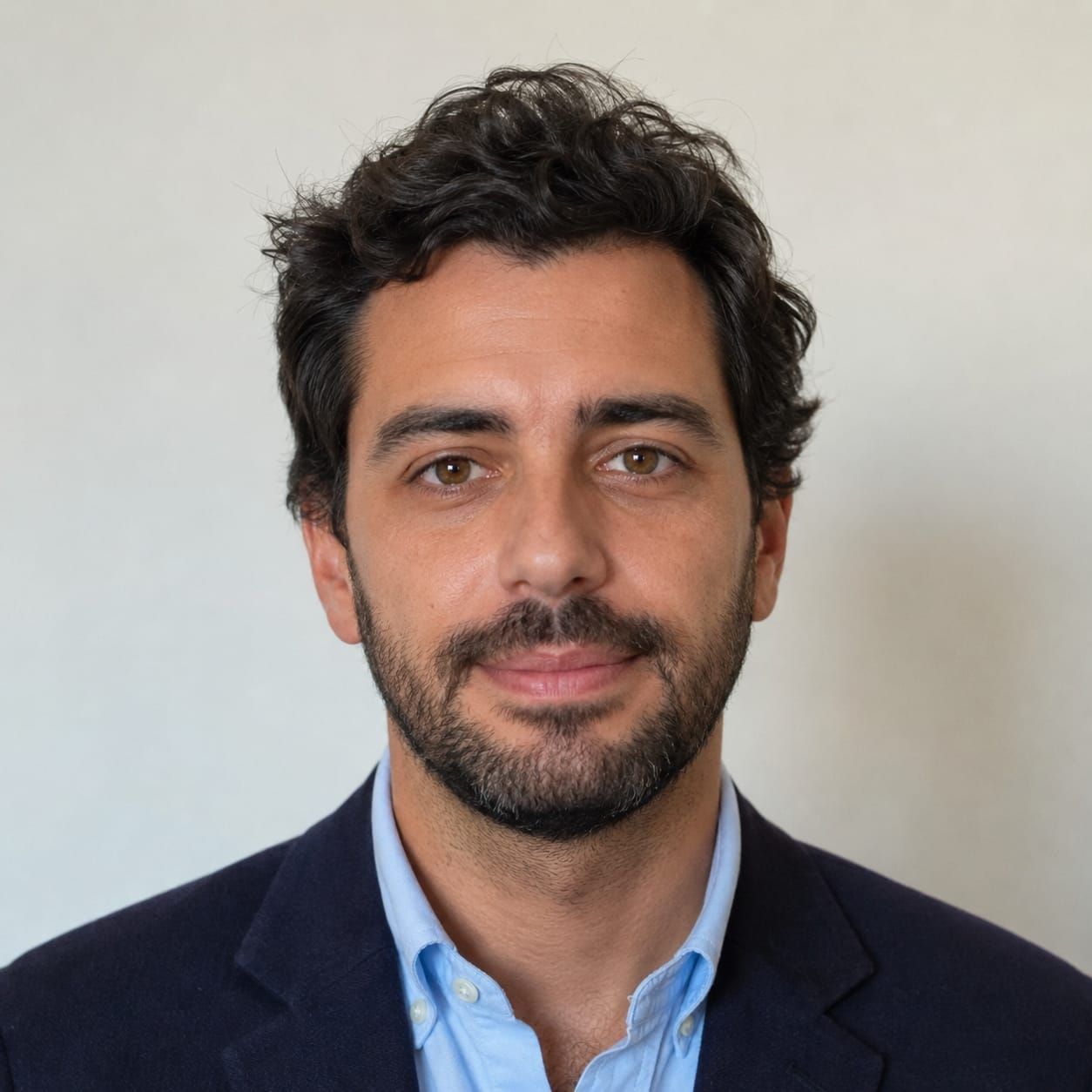

Portugal's João Pinheiro will take charge of the Argentina versus Switzerland quarter-final at the 2026 FIFA World Cup, marking a milestone for Portuguese refereeing that places him alongside elite names in the nation's footballing history. The 38-year-old from Vila Nova de Famalicão becomes only the third Portuguese official to referee a World Cup quarter-final, and he equals a record held by two predecessors by officiating his third match at a single tournament.
The assignment, for the match scheduled for July 11 in Kansas City, represents the highest-profile game yet for Pinheiro, who will be supported by fellow Portuguese assistant referees Bruno Jesus and Luciano Maia. Canadian official Drew Fischer has been named fourth official, with the VAR to be announced closer to kickoff.
Historic Achievement for Portuguese Officiating
Pinheiro's appointment places him in rarefied company. Only Carlos Valente (Italy 1990) and Olegário Benquerença (South Africa 2010) have previously officiated quarter-finals for Portugal at a World Cup. Meanwhile, António Garrido remains the Portuguese referee who reached the furthest stage of the tournament, taking charge of the third-place playoff between Poland and France at Spain 1982.
By refereeing three matches at this edition, Pinheiro draws level with Benquerença and Pedro Proença—currently president of the Portuguese Football Federation (FPF)—who each managed three games at South Africa 2010 and Brazil 2014 respectively.
This World Cup assignment also breaks a 12-year drought for Portuguese refereeing at the sport's premier event. Since Proença's appearances in Brazil, no Portuguese official had been selected as a main referee for a World Cup final tournament, making Pinheiro's selection particularly significant for Portuguese football's international standing.
Pinheiro's Path to the Pinnacle
The referee from northern Portugal has built his reputation methodically. An international FIFA official since 2016 and a qualified lawyer by profession, Pinheiro earned promotion to UEFA's Elite category in January 2025, a designation reserved for the continent's highest-rated referees. His calm demeanor and ability to communicate with players have earned him the nickname "Ferrari of refereeing" within Portuguese football circles.
His recent high-profile assignments include the European Super Cup between Paris Saint-Germain and Tottenham in August 2025, and serving as fourth official for the 2024/25 Champions League final. He also gained experience at youth World Cups, refereeing at the Under-17 tournament in 2023 and the Under-20 event in 2025, alongside the Under-21 European Championship in 2023.
This World Cup marks Pinheiro's debut as a main referee at a senior tournament, with his previous major tournament experience limited to VAR duties at Euro 2020 (played in 2021). He was also recognized domestically, being voted best Portuguese referee for the 2025/26 season.
The 2026 Campaign So Far
At this expanded 48-team World Cup, Pinheiro has already handled two fixtures. He oversaw Switzerland's 4-1 victory over Bosnia-Herzegovina in the group stage, followed by Canada's 1-0 win against South Africa in the Round of 32. Both matches proceeded without major controversy, contributing to his selection for the knockout rounds.
The tournament, co-hosted across the United States, Mexico, and Canada, features 52 referees assigned to 104 matches. The quarter-final between Argentina and Switzerland represents a significant test: a match between a traditional powerhouse and a disciplined European side, played under the intense scrutiny that defines World Cup knockout football.
What This Means for Portuguese Football
For Portugal, this appointment signals sustained quality and international respect within FIFA and UEFA refereeing hierarchies. International recognition of referees enhances the FPF's standing in football governance, potentially influencing future hosting bids, youth tournament selections, and technical assistance programs.
It also validates Portuguese domestic league standards—international appointments are often viewed as a barometer of a country's overall football administration quality. For aspiring Portuguese referees, Pinheiro's success demonstrates that domestic talent can reach the highest levels of global football.
For Pinheiro personally, the stakes are considerable. Quarter-finals at World Cups attract billions of viewers globally, and every decision faces instant replay analysis and expert scrutiny. The pressure intensifies in a single-elimination format where one mistake can alter tournament history.
The Challenge Ahead
Managing a World Cup quarter-final requires more than technical proficiency. The physical intensity, tactical sophistication, and emotional volatility of knockout football demand constant vigilance. Pinheiro must balance firm discipline with game flow, deploy VAR judiciously without disrupting momentum, and maintain authority in the face of inevitable pressure.
His communication skills will be tested. Argentina's squad includes global icons, while Switzerland's collective approach often pushes the boundaries of physical play. Consistency in applying the laws, particularly around simulation, tactical fouling, and dissent, will determine whether the match is remembered for the football or the officiating.
As the match approaches, Pinheiro will prepare with meticulous attention: studying team tactics, reviewing player tendencies, and coordinating with his assistant referees and VAR team. For 90 minutes, or more if extra time proves necessary, the eyes of the football world will rest on a referee from northern Portugal, entrusted with ensuring fair play at the sport's highest level.


