
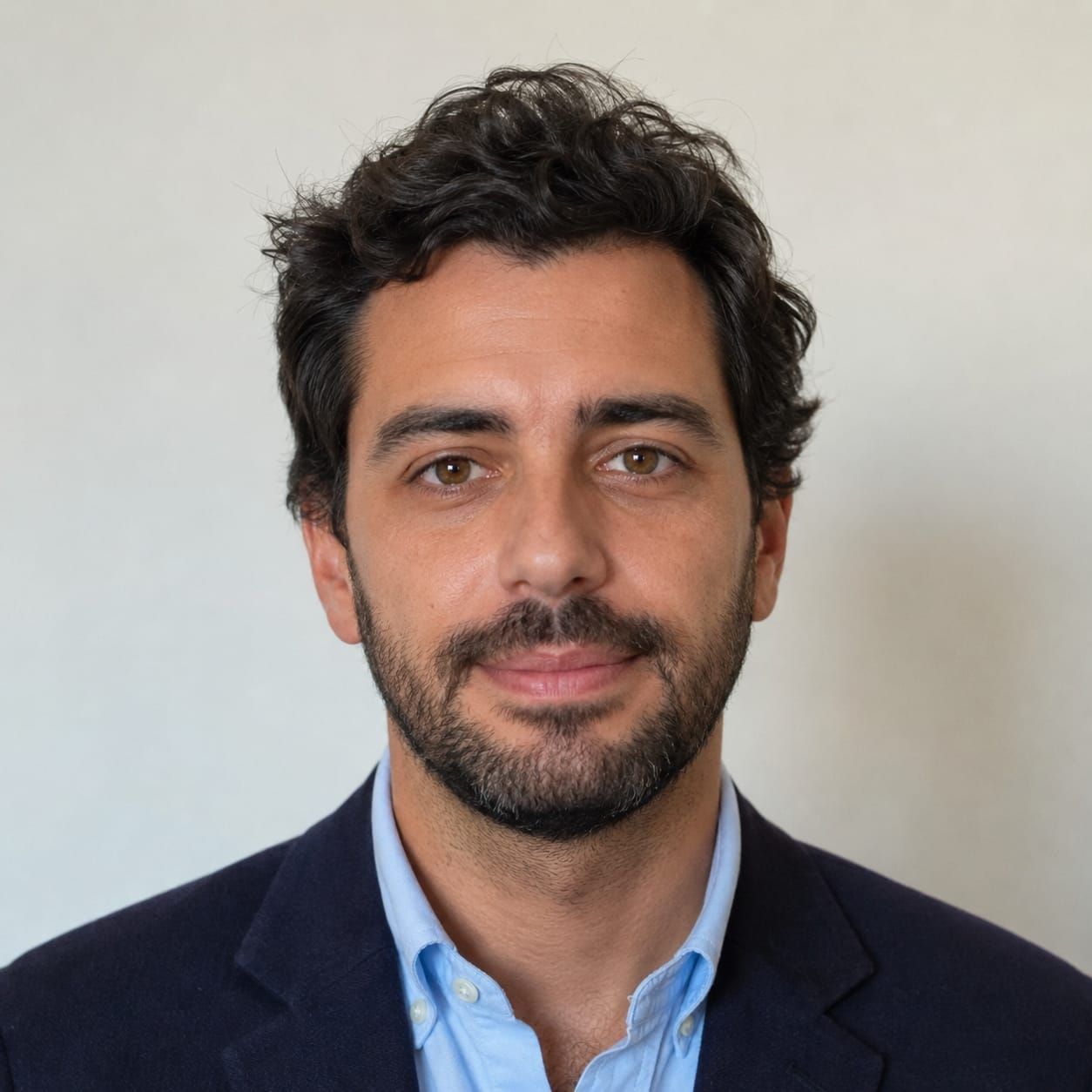

Portugal referee João Pinheiro has been named by FIFA to officiate the Argentina–Switzerland quarter-final at the 2026 World Cup, scheduled for 02:00 Sunday morning (Saturday night into Sunday, Lisbon time) at Kansas City's stadium—and his appointment has already triggered intense media scrutiny across Argentina.
Why This Matters
• Historic milestone: Pinheiro becomes only the third Portugal referee to reach a World Cup quarter-final in the last 36 years.
• Reputational baggage: The 38-year-old arrives under a cloud of controversy from a UEFA Champions League semi-final earlier this year that triggered an official investigation.
• Personal history: Argentine defender Nicolás Otamendi—sent off by Pinheiro in January—is now a River Plate player and will watch from Buenos Aires as his nemesis controls his national team's fate.
Argentine sports dailies Olé and TyC Sports wasted no time dissecting Pinheiro's record, highlighting not just his international experience in UEFA competitions but also flashpoints that have left coaches, players, and entire fanbases questioning his judgment.
The Otamendi Ghost
Portugal-based Benfica fans will remember the evening of January 7, when Pinheiro brandished a second yellow card at Otamendi during the Allianz Cup semi-final against Sporting Braga. The veteran center-back, already on a caution, tumbled after contact, protested the no-call, and was dismissed in stoppage time of a 3–1 loss.
Olé reminded readers that Otamendi collected his sixth red card in 281 Benfica appearances that night and subsequently missed a Taça de Portugal quarter-final against FC Porto. Argentine media questioned whether the dismissal was justified, noting the timing and circumstances of the red card—a thinly veiled accusation that reflected broader concerns about Pinheiro's decision-making in high-pressure moments.
For Argentina's media, the episode is not ancient history: Otamendi left Benfica at the end of last season and now anchors River Plate's defense. The symbolism of Pinheiro presiding over an Argentine World Cup knockout tie, with Otamendi's club teammates in the national squad, has not been lost on Buenos Aires columnists.
What This Means for Residents
Portuguese football fans watching in the early hours of Sunday will see one of their own at the center of global attention—but also under intense scrutiny. Pinheiro's appointment equals the achievements of Carlos Valente (1990) and Olegário Benquerença (2010), marking Portugal's return to World Cup quarter-final officiating after a 12-year absence.
Portuguese broadcasters RTP and Sport TV will carry live coverage, with pre-match analysis expected to focus on Pinheiro's preparations and the pressure of representing Portugal on football's biggest stage.
Yet the pride comes bundled with risk. A single controversial call could reverberate through Portuguese football and damage the reputation Portugal referees have painstakingly rebuilt in international tournaments. For expats and fans abroad, expect social-media chatter—and potential backlash—if decisions go against the reigning world champions.
Pinheiro will be assisted by compatriots Bruno Jesus and Luciano Maia, with Canadian Drew Fischer serving as fourth official. FIFA has yet to announce the VAR crew, a detail Argentine journalists noted with unease given the technology's role in Pinheiro's most contentious moments.
The Champions League Scandal
The elephant in the room is Bayern Munich versus Paris Saint-Germain, the second-leg semi-final on May 6 that ended Pinheiro's season under a cloud. Three incidents triggered a formal UEFA investigation:
Non-expulsion of Nuno Mendes: Already on a yellow, the PSG full-back appeared to handle the ball, yet Pinheiro instead penalized Bayern's Laimer for a phantom handball. German media called the sequence a "double error."
Handball not given against João Neves: The ball struck Neves's arm inside the box; Pinheiro waved play on, and VAR did not intervene. While IFAB rules allow leniency when the ball arrives from a teammate, ex-referees labeled the no-call a mistake.
Premature offside flag on Harry Kane: Pinheiro whistled Kane offside early in the move, contradicting VAR-era protocol to let attacks develop. The striker was clean through on goal.
Bayern CEO Jan-Christian Dreesen publicly questioned why UEFA entrusted a semi-final to a referee with just 15 Champions League matches on his résumé. Germany's Bild tabloid branded the performance "scandalous" and accused Pinheiro of "destroying Bayern's dream."
UEFA's investigation remains officially open, though no sanctions have been announced.
The Canada Flashpoint
Pinheiro's second assignment at this World Cup—Canada 1–0 South Africa in the round of 16 on June 28—also featured a disputed penalty shout. Late in the first half, Canadian winger Richie Laryea went down under a challenge from Khuliso Mudau. Pinheiro awarded a goal kick, VAR reviewed the contact but did not recommend an on-field check, and play continued.
Christina Unkel, a former FIFA referee now working as an analyst for ITV, expressed surprise that the incident did not merit a monitor review, suggesting she would have awarded the spot kick. She noted the tournament's high threshold for VAR intervention, a policy that has divided opinion among officials and observers.
Canadian coach Jesse Marsch confronted Pinheiro at halftime, visibly furious, though no cards were issued for dissent. Canada ultimately won with a stoppage-time goal, defusing what could have been a full-blown controversy. Argentine journalists, however, seized on the episode as evidence that Pinheiro's decision-making under pressure remains inconsistent.
Portugal's Arbitration Ambitions
Pinheiro's trajectory reflects the broader ambitions of Portugal's referee development program. He made his international debut in 2016, climbed through UEFA's ranks, and now sits in FIFA's elite cadre. His appointment to a World Cup quarter-final validates a decade of investment in training, technology, and overseas exposure for Portugal match officials.
But that visibility cuts both ways. A seamless performance in Kansas City could open doors to a semi-final or even the final itself; a contentious call risks not only Pinheiro's career but also the standing of his compatriots in future tournaments.
What to Watch
Kick-off is set for 02:00 Sunday morning (Saturday night into Sunday, Lisbon time), a scheduling slot that will test the stamina of Portuguese fans but guarantee prime-time viewing across Argentina and Switzerland. Expect Argentine broadcasters to replay the Otamendi red card in pre-match packages and dissect every VAR check in real time.
For Portugal residents, the match offers a rare chance to watch a compatriot officiate on football's grandest stage—an achievement only two other Portuguese referees have managed at this level. Whether Pinheiro emerges as a hero or a villain may depend less on his skill than on the unforgiving optics of high-stakes knockout football, where every whistle echoes louder than the last.


