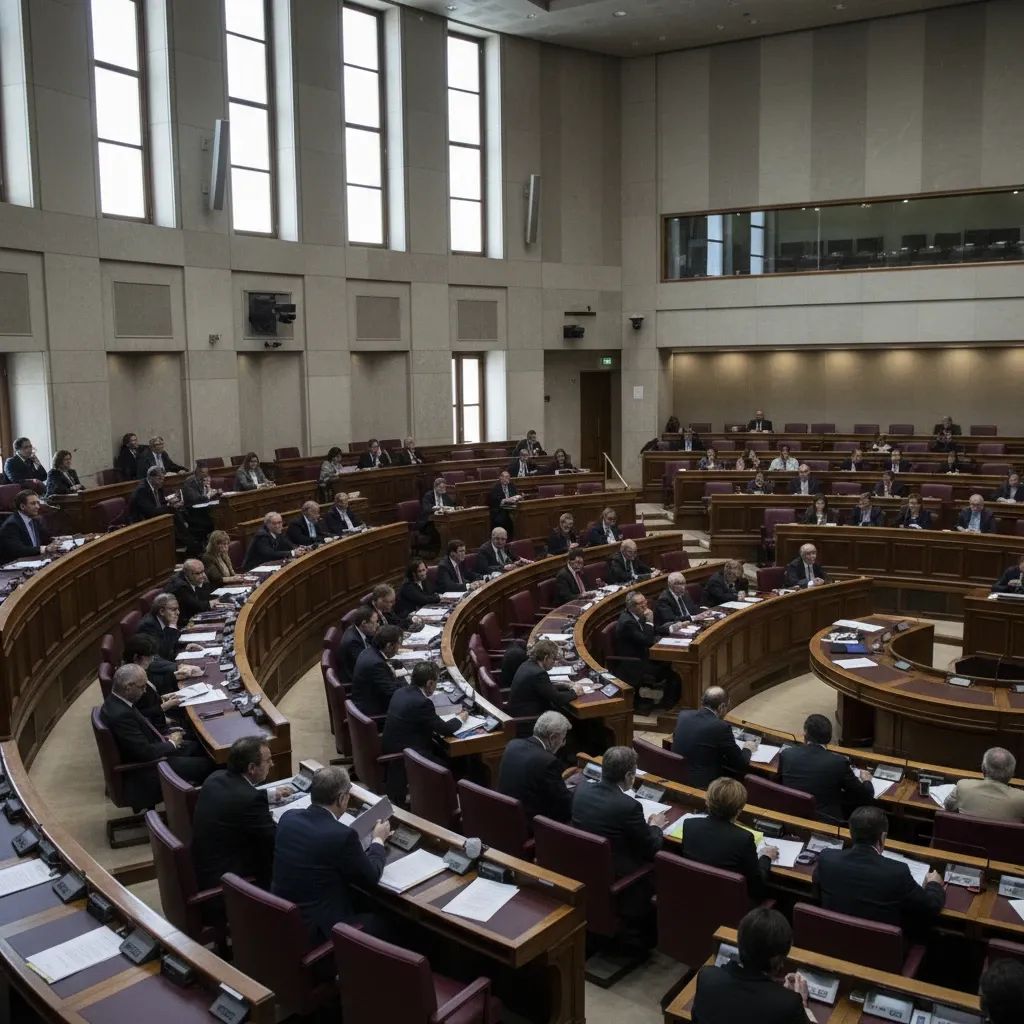
The Portugal Ministry of Defence finds itself at the center of a political clash after the Assembly of the Republic approved two controversial military bills—both still in the early stages of the legislative process. The measures were approved "na generalidade" (in general principles) on May 8, 2026, meaning they must advance through committee review and face additional votes before becoming law.
What Was Approved:
• Socialist Party (PS) bill: Aims to reinforce parliamentary competencies in defense matters
• Chega party bill: Proposes creating a voluntary military reserve system
• Approval status: Both bills passed their initial approval stage but require further legislative steps before enactment
• Voting breakdown: The PS measure passed with support from Chega, Livre, and the Madeira-based JPP, while the PSD-CDS coalition voted against it. The centrist Iniciativa Liberal (IL), Communist PCP, leftist BE, and PAN abstained. Chega's reserve bill saw backing from PS, IL, and JPP, opposition from PSD, CDS, PCP, and BE, with Livre and PAN abstaining.
Why This Matters for Residents:
The approved bills represent an attempt to shift how defense policy decisions are made in Portugal. However, Defense Minister Nuno Melo has expressed serious concerns about the measures, signaling potential constitutional challenges ahead. Any changes to defense governance could eventually affect how military resources are allocated, deployment decisions are made, and how citizens might participate in volunteer reserve capacities.
Government Response:
Speaking at Air Base 8 in Ovar, Aveiro district, on May 8, Defense Minister Nuno Melo delivered a sharp critique of the votes. He accused the PS and Chega of "destroying a 50-year consensus" among major parties on sovereignty issues, arguing that defense policy has traditionally been handled through quiet, bipartisan negotiation rather than public legislative battles.
"What we are witnessing is governance of defense and the Armed Forces through Parliament," Melo said, calling the vote "extremely serious" and raising doubts about its constitutionality. He emphasized that throughout his tenure, every structural reform had been discussed in advance with representatives from PS and Chega.
Melo noted that the bills were approved without prior consultation with the Chief of the General Staff of the Armed Forces or the chiefs of the three service branches. He underscored that such measures affect recruitment, troop strength, strategic doctrines, and investment priorities—all areas with significant budgetary implications.
What Happens Next:
Both bills now advance to committee for detailed review and amendment before final votes. The government retains the option to request presidential veto or constitutional review. The Air Force, Navy, and Army will be watching closely, as any changes to how defense decisions are made could affect ongoing modernization programs and operations.
For residents and taxpayers, the immediate impact depends on whether these bills survive further legislative scrutiny and potential constitutional challenges. The legislative process is far from complete, and significant changes could occur before—or if—these measures become law.