

Portugal Launches €5.8 Billion Defense Modernization—Its Largest in 50 Years
Portugal is investing €5.8 billion in military modernization over the coming years, marking the nation's biggest defense push in half a century. The program will deliver three Italian-made frigates, upgrade the Arsenal do Alfeite naval facility, and acquire 12 new vessels by 2030. All spending will operate under unprecedented independent oversight, with multiple government bodies and parliamentary delegates monitoring procurement and financial flows.
Defence Minister Nuno Melo announced the initiative at the Navy Day ceremony in Setúbal, following approval by the Portugal Council of Ministers of a governance structure to manage disbursements from the European Union's Security Action for Europe (SAFE) instrument.
What's Being Bought and When It Arrives
The €5.8 billion SAFE package encompasses approximately €3 billion dedicated to three FREMM EVO-class frigates built by Italy's Fincantieri. Portugal will receive its first vessel in 2029, with all three operational by the end of 2030.
Each frigate—at 145 meters long and 20 meters wide—is equipped to operate in high-intensity combat scenarios, capable of deploying two SH90 helicopters or combined helicopter configurations. The vessels are designed for anti-submarine warfare and integrated air defense operations alongside NATO task forces.
Beyond frigates, the modernization encompasses satellite communications systems, anti-aircraft defense platforms, unmanned aerial systems, counter-drone technologies, various-caliber munitions, and refurbishment of the existing Pandur armored vehicle fleet. All major contracts must be signed between June and July 2026.
How It Affects Portuguese Residents
Defense spending and national priorities: Portugal achieved NATO's 2% of GDP defense spending threshold in 2025 and must sustain or exceed that benchmark to unlock the full SAFE envelope. Each percentage point translates to hundreds of millions drawn from competing budget priorities—education, health, and infrastructure investments. For taxpayers, this represents a fundamental choice about national resource allocation.
Economic opportunity in the Arsenal: The Arsenal do Alfeite, Portugal's principal naval maintenance facility south of Lisbon, will receive what Melo described as "the largest investment in 50 years." The facility requires dredging, dock expansion, and infrastructure work totaling €150 million to €200 million to accommodate the incoming frigates, which exceed current dry dock capacity. Beyond infrastructure, funding flows into workshop re-equipment, personnel training, and establishment of a dedicated naval engineering academy. A three-year service agreement valued at €41.4 million through 2028 aims to stabilize employment at the facility.
The revitalization responds to years of deferred maintenance that left the Arsenal struggling with aging equipment and an aging workforce. By channeling SAFE financing into domestic industrial capacity, the Defence Ministry seeks both operational autonomy and sustainable ecosystem support for the new fleet.
Jobs and workforce: The Arsenal alone faces acute workforce turnover, with many senior tradespeople nearing retirement and few apprentices in the pipeline. The planned naval academy and training investments aim to reverse that trend, though success depends on making military and defense-industrial careers competitive in wage and lifestyle terms.
Sovereignty and maritime security: Portugal controls one of the world's largest exclusive economic zones, a maritime estate rich in fish stocks, seabed minerals, and energy resources. In an era marked by renewed great-power competition, submarine incursions, and hybrid threats ranging from cable sabotage to illegal fishing, the minister argued that credible naval power has regained centrality. The FREMM frigates, equipped for anti-submarine warfare and integrated air defense, address a capability gap—Portugal's aging Vasco da Gama-class vessels are entering their final service years.
The Oversight Architecture: How Money Is Monitored
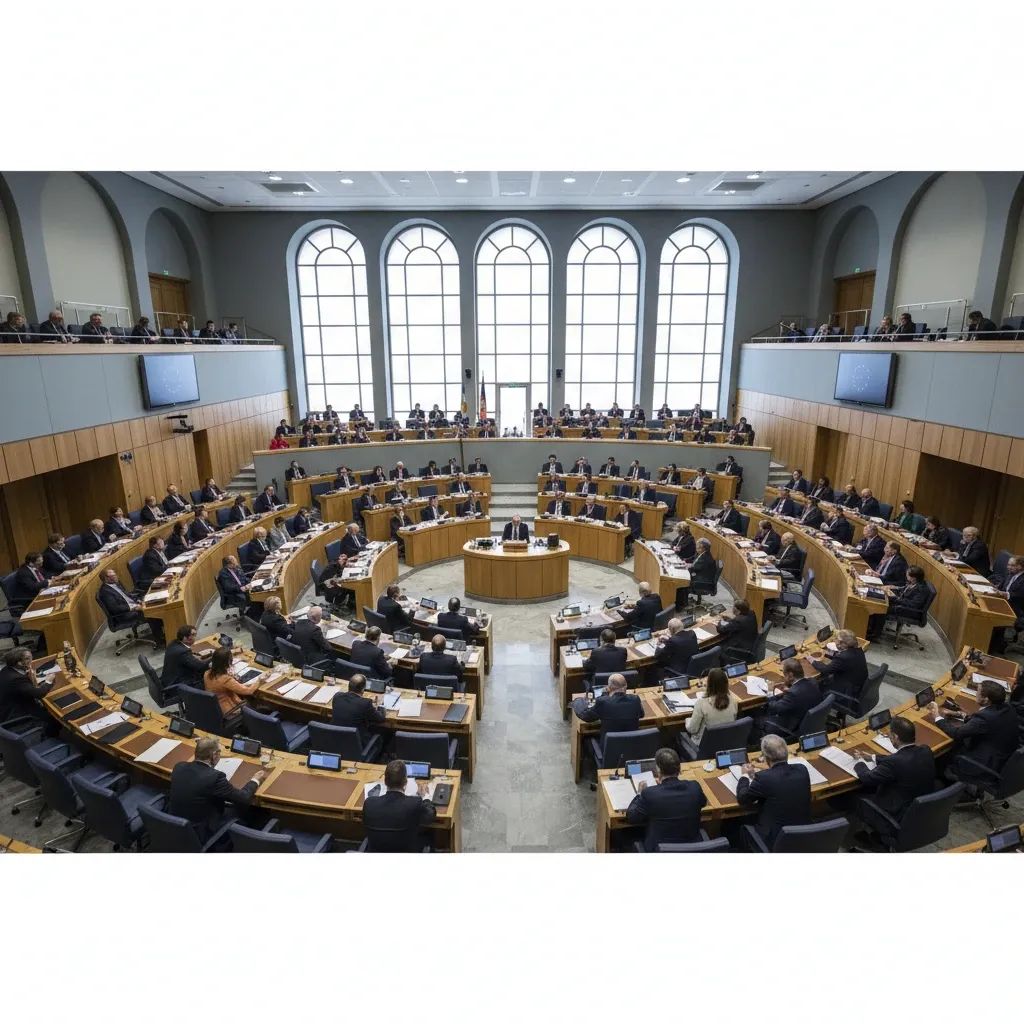
A newly created Independent Monitoring Commission for Defence Investments (CAID) will operate alongside a parallel audit mechanism led by the Inspector-General of Finance. The CAID—chaired by an independent figure—draws representation from the Ministries of Defence, Foreign Affairs, Finance, Economy, and Territorial Cohesion. The Assembleia da República has been invited to nominate delegates from the three largest parliamentary groups: PSD, PS, and Chega.
The redundancy is intentional. The Court of Auditors, the Office of the Attorney General, the Directorate-General of Finance, and elected deputies will all have direct access to procurement data and financial flows. This multi-layered approach allows opposition parties direct visibility into procurement decisions, reducing the risk of cost overruns or favoritism that have plagued past military programs.
"Every citizen needs to know how public resources are deployed, and especially that they are handled with integrity. From our side, absolutely nothing can remain hidden," Melo declared. The Court of Auditors already applies special prior-review procedures to EU-funded projects; layering parliamentary and prosecutorial oversight creates multiple checkpoints before funds change hands.
Infrastructure Challenges and Solutions
The incoming frigates' dimensions pose a significant logistical challenge. The Naval Base of Alfeite operates with a service channel depth of approximately six meters and a dry dock width of 18 meters—well short of the nine-meter draft and 20-meter beam of the FREMM vessels. The Portugal Government has committed to dredging the access channel and expanding dock infrastructure as part of a broader counterpart investment package tied to the Fincantieri contract.
This transformation of Arsenal infrastructure is essential: without dock capacity upgrades, the frigates cannot be serviced or maintained on Portuguese soil, forcing expensive reliance on foreign shipyards.
Geostrategic Context
Melo framed the modernization within Portugal's unique geographic position astride North and South Atlantic shipping lanes. "Weighed by the sea, our territory is gigantic," he noted. The nation's exclusive economic zone represents enormous strategic and economic value, yet Portugal's aging naval vessels increasingly struggle to project credible deterrence or surveillance.
The FREMM program addresses this gap directly. As NATO allies face renewed great-power competition in Atlantic waters, Portugal's contribution—three modern, capable frigates—strengthens alliance deterrence and protects the nation's own maritime interests.
The Clock Is Ticking
All contracts must be signed by summer 2026, a tight timeline underscoring the urgency Brussels and Lisbon attach to capability regeneration. The first frigate arrives in 2029. The scaffolding for oversight is in place, the EU loans are approved, and the Defence Ministry has outlined how Portugal will transform its defense posture over the remainder of this decade. Whether the oversight mechanisms can sustain public confidence through inevitable delays, specification changes, and budget pressures will determine the political viability of defense investment for the next generation.



