
Porto's Parking Enforcement Expands: What Residents Need to Know
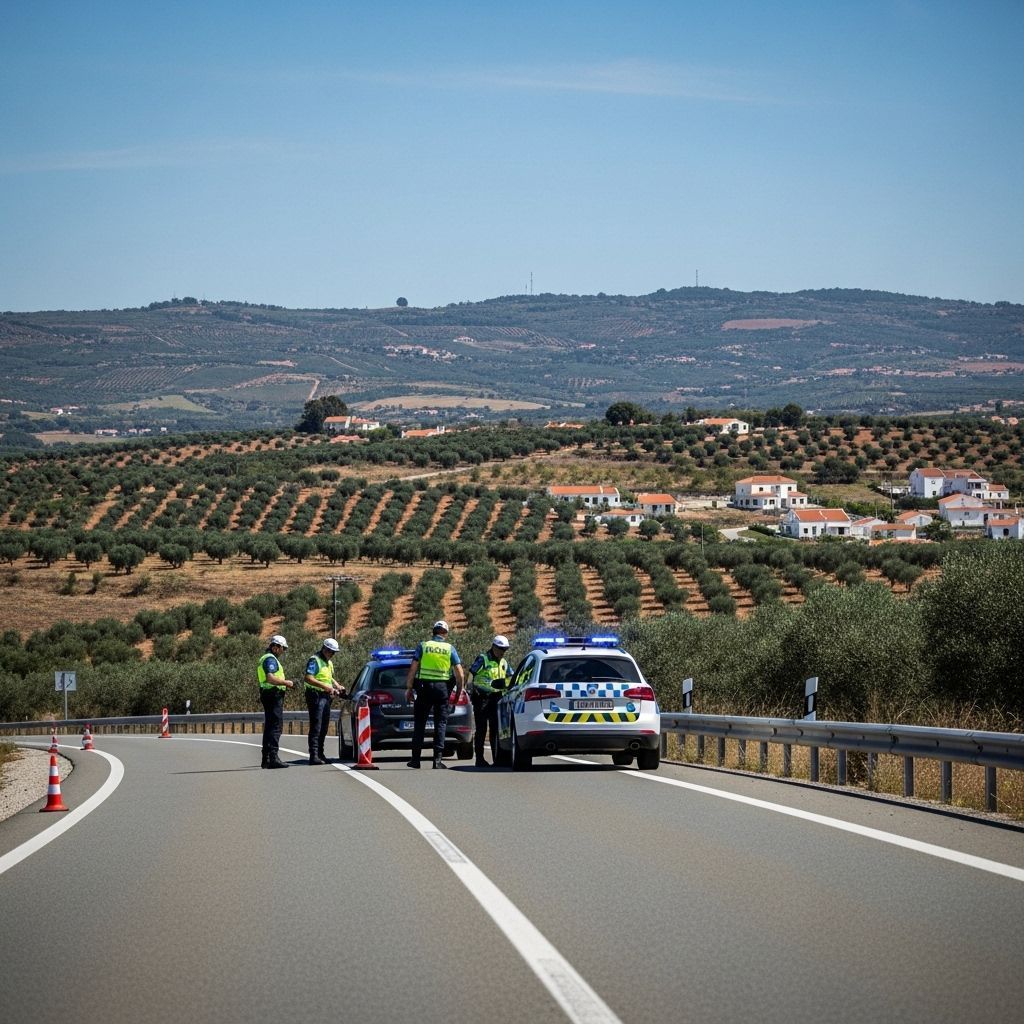
Porto is expanding parking enforcement across the entire municipality starting May 25, 2025. A municipal company managing the city's parking infrastructure, renamed MobT Porto, will now fine vehicles parked illegally outside regulated zones—including sidewalk encroachment, double-parking, and bus lane occupation.
Why This Matters
• Enforcement is expanding dramatically: MobT Porto will target parking violations across the city, not just non-payment in metered areas.
• Three enforcement layers are now active: Municipal police cameras (since January 2025), STCP transit officers citing bus-lane violators (since February 2025), and now MobT Porto for comprehensive street-level enforcement.
• The rebranding reflects strategic intention: The name change from STCP Serviços to MobT Porto signals Porto's unified approach to mobility governance, separating the roles of transit operator and parking regulator.
What MobT Porto Does
The company manages the city's parking infrastructure: 14 municipal parking garages, approximately 13,000 street parking spaces, transit terminals, and urban mobility systems. Previously, STCP Serviços focused narrowly on collecting fees in Zonas de Estacionamento de Duração Limitada (ZEDL)—timed parking zones.
Starting May 25, 2025, MobT Porto inherits expanded authority to police the entire parking ecosystem, addressing violations that inspectors previously left unattended.
The New Enforcement Architecture
Porto has constructed three overlapping enforcement mechanisms over the past eighteen months:
Municipal Police (since January 2025): The Polícia Municipal deployed automated license-plate recognition systems. Officers patrol in vehicles equipped with cameras that photograph violators parked in secondary zones and residential permit areas.
Transit Operators (since February 2025): STCP started issuing citations for vehicles blocking bus lanes and stopping at tram stations. Bus operators and tram workers, credentialed by the Autoridade Nacional de Segurança Rodoviária (ANSR), file formal traffic violation reports. Between February and September 2025, STCP transit personnel documented over 5,000 infractions.
MobT Porto (starting May 25, 2025): Direct enforcement of abusive parking in spaces outside traditional metered zones—residential blocks, commercial districts, and pedestrian zones where curb encroachment has eroded sidewalk integrity.
The cumulative effect is comprehensive enforcement across all parking contexts.
Regulatory Foundation
On November 7, 2025, the Câmara Municipal do Porto codified enforcement authority through Regulation 1222/2025, updating standards for public space occupancy, traffic flow, and parking throughout the municipality. The regulation particularly focused on the historic center, where informal parking creates congestion and impedes emergency vehicle access.
Regulation 1222/2025 established clearer criteria for residential permit allocation, tightened prohibited parking definitions, and created legal authority for MobT Porto's expanded role. Without this regulatory foundation, enforcement would be vulnerable to legal challenge.
Why the Structural Split Matters
In March 2026, the Câmara Municipal do Porto commissioned a strategic naming exercise. The new name—MobT Porto ("Mob" for mobilidade, "T" for transportes)—establishes distinct identity from STCP's core mission (operating buses and trams).
This distinction addresses a fundamental conflict: when one entity operates buses and manages parking, incentives clash. A bus operator benefits from unclogged lanes; a parking manager benefits from abundant available spots. By splitting these functions, Porto aligns incentives—each entity focuses on its core mission without conflicting priorities.
Impact for Residents, Businesses, and Drivers
For someone living in Porto, the practical consequence is straightforward: illegal parking will be riskier and more expensive.
Residents in permit zones: Increased enforcement frequency, particularly around schools, hospitals, and shopping districts. Ensure you have valid residential parking permits; contact your local Câmara Municipal office for permit applications and current requirements.
Delivery services and commercial operators: Goods vehicles should schedule drop-offs during off-peak hours or use designated loading bays. Contact the municipal government for information on commercial loading bay locations and permitted hours.
Double-parking: Vehicles double-parked for unloading or brief stops will face citations. Formal parking violations are documented through autos de contraordenação (official traffic violation reports).
Car-dependent residents: For older individuals and those in peripheral neighborhoods with limited transit, the shift creates friction. Success depends on Porto delivering reliable, frequent, and affordable transit alternatives alongside enforcement—not enforcement alone.
Porto's Broader Mobility Strategy
Parking enforcement operates within an integrated governance structure for all mobility modes: buses, trams, metro, cycling, pedestrian pathways, and parking.
The Plano de Ação de Mobilidade Sustentável (PAMUS) and Plano de Logística Urbana Sustentável (PLUS) link previously fragmented systems into coherent networks. The Área Metropolitana do Porto (AMP), functioning as the regional transport authority, formalized quarterly coordination meetings among all major operators—STCP, CP Comboios de Portugal, Metro do Porto, and Transportes Metropolitanos do Porto.
Additionally, Porto is implementing Rede 20, a network of priority routes totaling approximately 20 kilometers where vehicle speeds are capped at 20 kilometers per hour. Pedestrians and cyclists have priority. MobT Porto's enforcement works in tandem: stricter parking rules in these low-speed zones discourage driving there altogether.
The Revenue Question
A critical detail remains undefined: how will MobT Porto's fine revenue be deployed?
City documents hint at reinvestment in PAMUS and Rede 20 initiatives—expanding bus corridors and safe cycling networks—but specifics are absent from public statements. Residents and business operators skeptical of enforcement will demand transparency. If fines fund demonstrable transport alternatives—more frequent buses, better cycling infrastructure, peripheral parking facilities with transit connections—acceptance will grow. If revenue disappears into general budgets, public resistance will intensify.
Timeline and What's Coming
• May 25, 2025: MobT Porto enforcement begins.
• June 5, 2026: Visual identity design competition closes.
• Late June–August 2026: New branding launches; public communication campaign begins.
• Q3–Q4 2026: Enforcement rolls out aggressively in target zones; residents and businesses adjust behavior.
• 2027: Enforcement data integrates with Observatório Metropolitano de Mobilidade (Metropolitan Mobility Observatory), feeding real-time parking and traffic data into regional planning.
The Underlying Wager
Porto is betting that unified mobility governance, enforced parking discipline, and invested public transit will create a more navigable city.
Whether residents embrace or resist depends entirely on execution. If buses remain overcrowded, inconsistent, or expensive relative to car ownership, enforcement becomes revenue extraction. If transit becomes genuinely reliable and affordable, enforcement becomes the credible regulation of a functioning system.
The real test begins now: can Porto deliver the transit alternatives that make parking discipline feel fair rather than punitive?


