

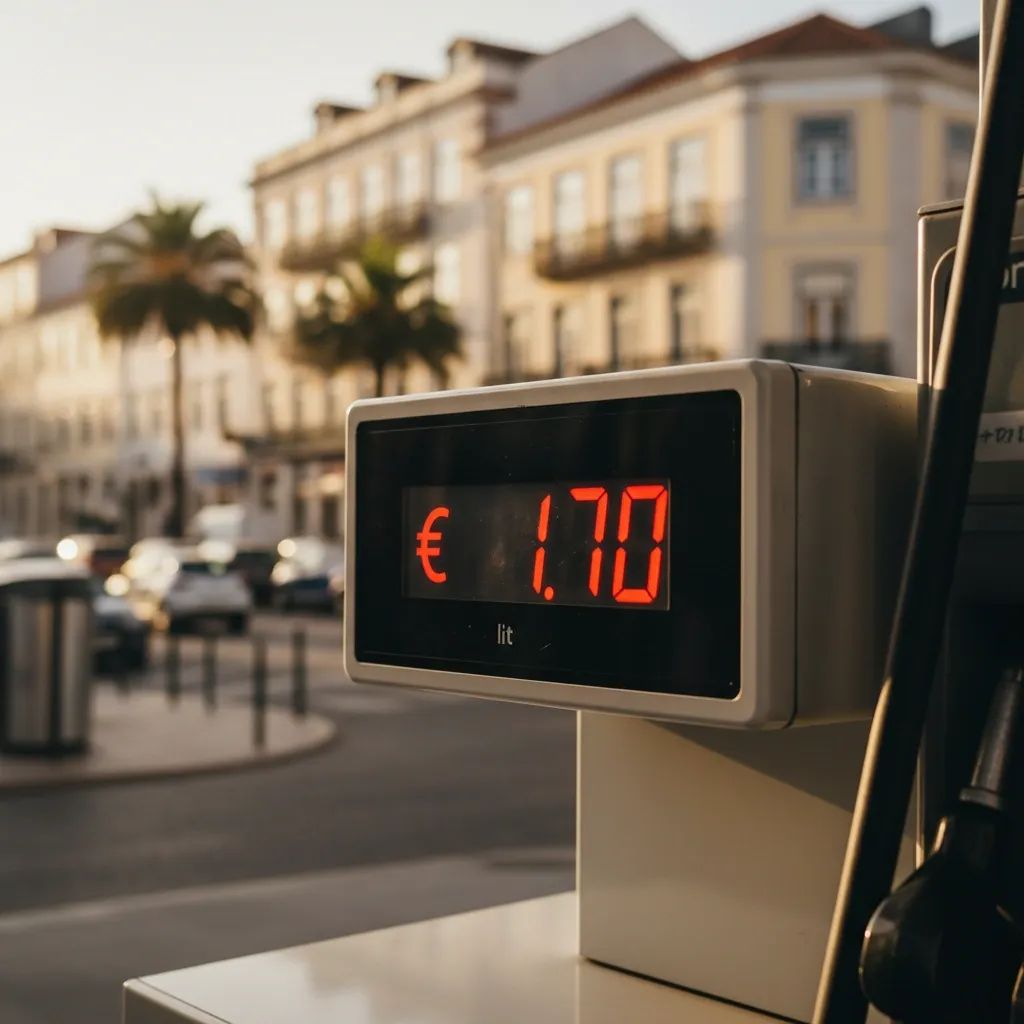
Portugal-based energy consumers, investors, and businesses sensitive to fuel costs have caught a break as North Sea Brent crude for August delivery tumbled sharply this week, closing at $87.33 per barrel on the Intercontinental Exchange in London. That marks a 3.37% drop and a $3.05 decline from the previous session's $90.38 close, driven largely by surging investor confidence that a U.S.-Iran peace accord may materialize.
Why This Matters
• Lower fuel import costs: Portugal imports virtually all its petroleum; cheaper crude translates directly to reduced diesel, gasoline, and jet-fuel expenses in the coming weeks.
• Diplomatic breakthrough potential: Markets are pricing in the possibility that a U.S.-Iran agreement could lift sanctions on Iranian oil exports and open the Strait of Hormuz, a chokepoint carrying 20% of global petroleum shipments.
• Market volatility ahead: Analysts caution that any breakdown in negotiations could reverse the downward trend within days.
What This Means for Portuguese Residents
Fuel costs: Portuguese households spend roughly 10% of disposable income on transport, much of it tied to diesel and gasoline. If Brent crude remains in the $85–90 range, refiners and distributors could pass savings through to pump prices, potentially reducing costs by €0.05–0.08 per liter within four to six weeks. For a typical two-car household driving 20,000 km annually, that could equate to €150–200 in annual savings.
Timeline for consumers: Expect potential pump price changes within 4–6 weeks if current crude price levels hold, as refiners and distributors adjust their supply contracts.
Broader economic relief: Lower energy import bills could ease headline inflation, which Portuguese Central Bank observers have noted has remained sticky above the European Central Bank's 2% target. Cheaper crude also reduces input costs for freight, agriculture, and manufacturing—sectors facing margin pressure since 2025.
Diplomatic Détente Drags Down Crude
The slide in Brent futures reflects a pronounced shift in market sentiment. Throughout early June, geopolitical risk premiums had kept prices elevated—at one point topping $98 per barrel—as tensions in the Middle East threatened the Strait of Hormuz, the narrow waterway between Iran and the Arabian Peninsula. Iranian military operations against Israel and threats to block the strait had squeezed supply lines and sent traders scrambling.
Recent reports indicate that U.S. and Iranian envoys may be approaching an agreement framework. Markets are pricing in the possibility of sanctions relief on Iranian crude exports and a potential reopening of Hormuz over coming months. That prospect has injected optimism into markets already concerned about record-low OECD inventories—stockpiles not seen this depleted since 2003.
For Portuguese importers and refineries, which rely on Brent-linked contracts, the drop offers short-term relief. The country's fuel distribution network has been under pressure from elevated costs since mid-2025, when Brent averaged above $90. A sustained period below that threshold could ease pump prices for motorists heading into the peak summer travel season.
Supply Dynamics: Iran's Potential Return
Iran holds the world's third-largest proven oil reserves and has maintained substantial export volumes even under sanctions. Markets are pricing in the possibility that if Washington lifts restrictions, Tehran could add significant volumes to global markets. Such a supply increase would help alleviate the impact of Hormuz-related disruptions.
That potential surge in supply is a key mechanism analysts cite behind the price decline. The International Energy Agency has revised its 2026 global-demand forecast downward, citing high fuel prices, slower Asian consumption, and rapid adoption of electric vehicles in China.
Meanwhile, the OPEC+ cartel—of which Iran is a member—has approved production increases starting in July. The impact of these decisions may be affected by how diplomatic developments unfold in coming weeks.
Analyst Outlook: Market Expectations
Financial institutions have begun revising their forecasts. Most analysts expect Brent prices could remain in the $85–95 range in the near term, though some project volatility if diplomatic negotiations stall. The range of expectations reflects uncertainty about both the timeline and scope of any potential agreement.
Volatility Factors Still in Play
Despite the sharp one-day drop, traders caution against assuming a smooth downward trend. Key factors that could shift prices include:
Negotiation developments: Any significant change in U.S.-Iran diplomatic progress could trigger market movements.
OPEC+ decision-making: How major oil producers respond to potential increased Iranian supply remains uncertain.
Demand developments: The Northern Hemisphere summer driving season traditionally boosts gasoline consumption, and shifts in global demand could affect price direction.
For Portuguese policymakers, the takeaway is cautious optimism. The Ministry of Environment and Energy has faced pressure to cushion households from energy-price shocks while meeting EU decarbonization targets. Near-term relief from lower crude prices provides breathing room—though sustained attention to energy diversification and renewable deployment remains important for long-term energy security.
Strategic Implications for Portugal
For Portugal's logistics and aviation sectors, monitoring current fuel costs is a priority. TAP Air Portugal and freight operators have faced significant fuel surcharge expenses; any sustained reduction in Brent could help restore operational margins.
Retail and hospitality businesses, which have absorbed higher diesel and electricity costs, may see some relief as energy costs potentially decline. The Portuguese Confederation of Commerce and Services has advocated for measures to address energy cost burdens on businesses.
On the macroeconomic front, Portugal's trade deficit—historically strained by energy imports—could improve if Brent stabilizes at lower levels. Reduced import costs for energy could free up capital for other economic priorities.
Yet the underlying consideration remains: Portugal's energy security depends partly on global developments beyond national control. The recent Middle East tensions have reinforced the importance of accelerating renewable energy deployment and exploring liquefied natural gas diversification to reduce long-term exposure to oil price volatility.


