

The Madeira Autonomous Region recorded a 15.5% drop in new vehicle purchases during the first three months of 2026, even as mainland Portugal and the broader European Union enjoyed solid automotive market growth. The decline marks a sharp divergence from national trends and raises questions about regional economic confidence and purchasing power.
Key Findings at a Glance
• Madeira residents purchased 1,251 new vehicles from January through March 2026—229 fewer units than the same quarter in 2025.
• Used car transfers jumped 4.2%, suggesting buyers are gravitating toward more affordable alternatives.
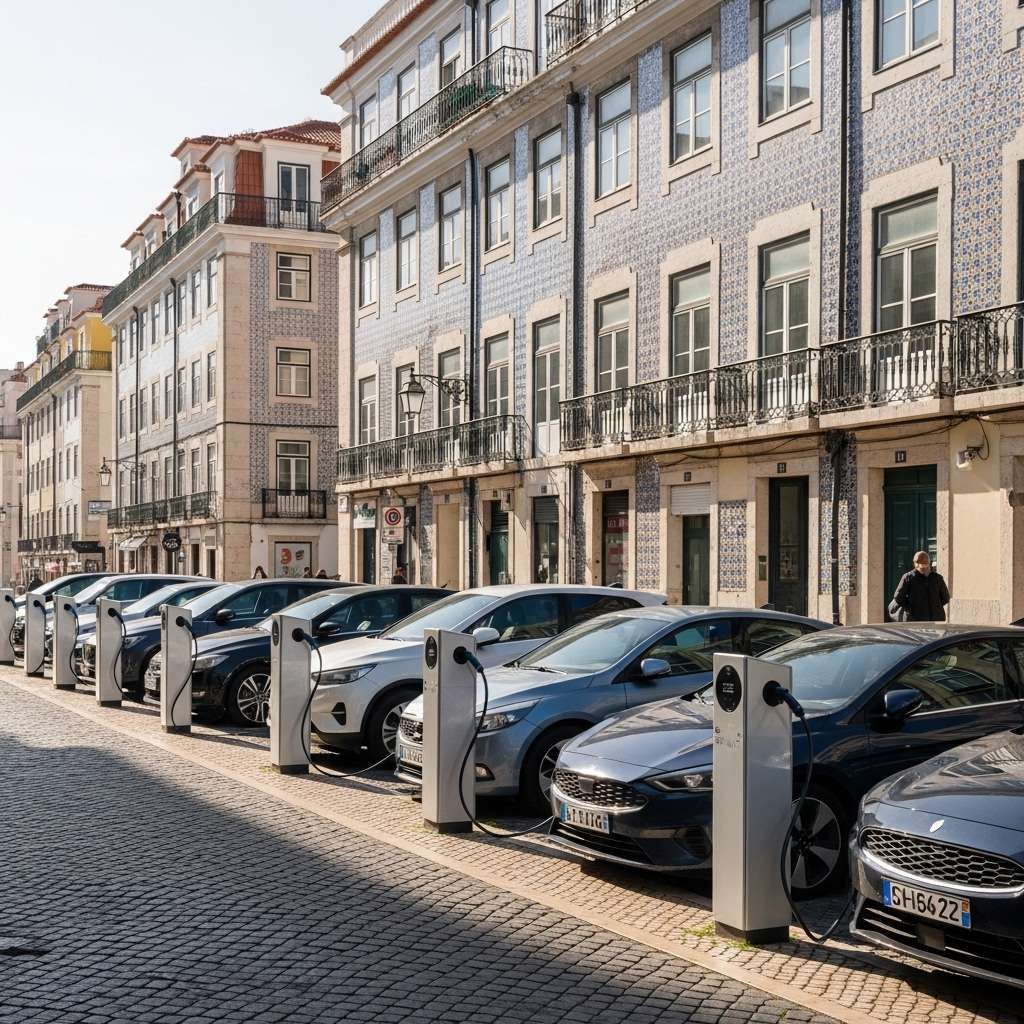
• Electric vehicle adoption surged 33.8% regionally in 2025, a trend that continued into early 2026, pointing to a shift in consumer priorities despite the overall contraction.
A Regional Outlier in a Growing Market
While the Portugal automotive sector posted a 9.4% increase in new vehicle registrations from January through May 2026—with more than 127,600 units sold nationwide—Madeira moved in the opposite direction. The Directorate of Regional Statistics (DREM) emphasized that its figures capture vehicles purchased by Madeira residents, including fleet acquisitions by rental agencies, rather than dealership sales volumes on the island.
Across the broader European Union, new car registrations climbed 4.2% in the first four months of 2026 compared to the prior year, driven largely by demand for electrified powertrains. March alone saw an 11.1% surge across the bloc. Madeira's contraction stands in stark relief against this backdrop, signaling either localized economic headwinds or a structural shift in how islanders approach vehicle ownership.
The Used Car Safety Valve
Madeira residents transferred ownership of 4,205 used vehicles during the first quarter, up from 4,036 units in the same period of 2025. Of those, 86.8% were passenger cars, 12.3% light commercial vans, and a modest 0.8% heavy-duty vehicles—33 units in total.
The parallel rise in second-hand transactions and retreat from new-car showrooms suggests budget-conscious behavior. With the cost of living on an island heavily reliant on imported goods typically running higher than the mainland, families and businesses may be prioritizing liquidity. Used vehicles offer lower up-front costs, reduced insurance premiums, and exemption from the depreciation hit that new models absorb in their first year.
Critically, the DREM methodology excludes vehicles purchased for resale by dealerships, meaning the 15.5% decline reflects genuine end-user demand rather than inventory fluctuations or commercial stockpiling.
What This Means for Residents
For anyone living in Madeira, the data points to a bifurcated market. If you are shopping for a new car, dealerships may offer more aggressive financing or trade-in deals to compensate for softening demand. Conversely, the used car segment is heating up, which could tighten supply and push prices upward—particularly for late-model, low-mileage units.
The shift also has fiscal implications. New vehicles generate sales tax revenue and trigger higher Vehicle Tax (ISV) payments—though electric models remain ISV-exempt—while used imports often arrive from other EU countries with depreciated valuations, shrinking the tax base. Regional policymakers will be watching to see whether the trend persists beyond the first quarter, as sustained declines could pressure public coffers and infrastructure budgets.
Electric Vehicle Adoption Surges Despite Overall Decline
One segment bucking the overall slump is battery-electric and plug-in hybrid vehicles. In 2025, Madeira residents acquired 1,340 fully electric cars, a 71.8% leap over 2024, alongside 1,734 plug-in hybrids, up 14.2%. Combined, electrified vehicle purchases totaled 3,074 units, representing a 33.8% year-on-year increase.
That momentum carried into early 2026. Nationally, more than 70% of new passenger cars registered through May ran on alternative fuels, with battery-electric vehicles claiming a 27.9% market share in May alone.
Financial Incentives Driving EV Transition
Madeira benefits from the Regional Recovery and Resilience Plan (PRR) incentives available to islanders: up to €6,000 per electric vehicle when scrapping a fossil-fuel car aged ten years or older, provided the new vehicle costs no more than €62,500 including VAT.
The Portuguese Environment Fund adds another layer, offering €4,000 to individuals who retire an old combustion car and purchase a zero-emission model priced under €38,500 (or €55,000 for vehicles with more than five seats). Electric vehicles remain fully exempt from both the Vehicle Ownership Tax (IUC) and ISV, shaving thousands off lifetime costs. For businesses, zero-emission fleets escape autonomous taxation, a significant advantage for rental agencies and commercial operators.
These combined incentives—regional, national, and fiscal—mean that even as headline new-car sales contract, the composition of Madeira's vehicle fleet is evolving rapidly toward cleaner mobility. A new €10 million national subsidy round for electric vehicles is expected to open by 11 June 2026, covering purchases made from 1 January 2025 onward. Combined with the regional PRR allocation of more than €5.1 million, the island has significant firepower to accelerate the shift, even if overall volumes remain subdued.
Rising Traffic Casualties Compound Concerns
Provisional figures from the Madeira Regional Command of the Public Security Police (PSP) recorded 990 road accidents requiring police intervention in the first quarter of 2026, a 4.7% uptick over the same period in 2025. Total casualties reached 364—66 more than a year earlier—comprising 335 minor injuries, 25 serious injuries, and four fatalities.
The increase coincides with the influx of used vehicles, which tend to be older and may lack the advanced driver-assistance systems standard on newer models. Public safety advocates have called for stricter roadworthiness inspections and expanded rollout of speed cameras on the island's winding coastal highways, where visibility and road width remain perennial challenges.
For expatriates and long-term residents unfamiliar with Madeira's topography—steep gradients, narrow village streets, and unpredictable weather on higher elevations—the casualty data underscores the importance of defensive driving and comprehensive insurance coverage.
Investment and Outlook
For property investors and expat entrepreneurs considering Madeira under the region's tax-incentive schemes, the automotive data offers a useful proxy for consumer sentiment. A double-digit contraction in big-ticket purchases suggests either caution ahead of potential policy shifts or stretched household budgets following the post-pandemic spending surge.
Yet the robust growth in electric vehicle adoption signals forward-looking confidence and responsiveness to fiscal incentives. Developers planning residential projects with integrated EV charging infrastructure, or commercial operators eyeing electric taxi and tour fleets, will find a market primed for transition.
Stakeholders will closely monitor second-quarter data to determine whether the first-quarter slump was an anomaly or the leading edge of a deeper retrenchment. For now, Madeira's automotive market remains a study in contrasts—cooling demand for traditional combustion vehicles offset by accelerating appetite for zero-emission alternatives.


