

Lusophone Cities Explore Expanded Cooperation with China Through Macau Platform
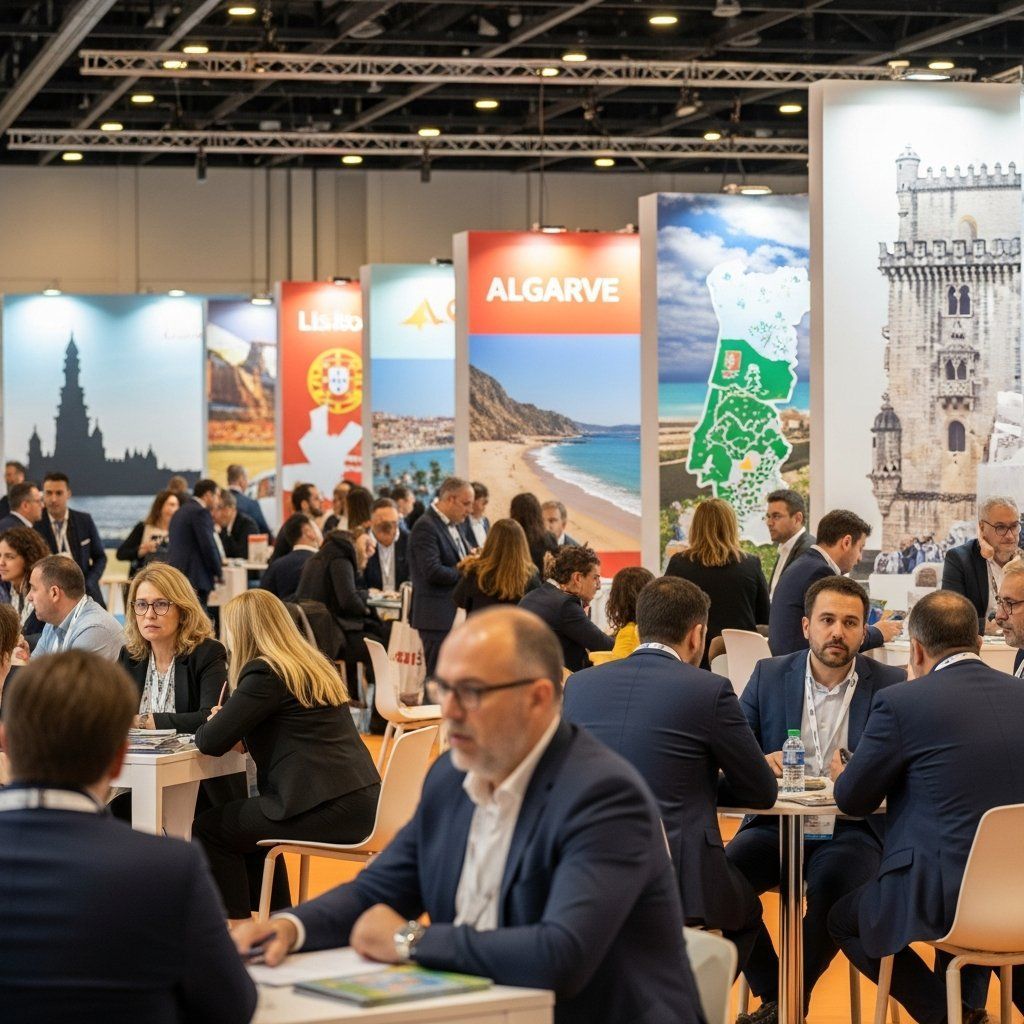
Macau hosted the 43rd General Assembly of the Union of Capital Cities of Portuguese Language (UCCLA), bringing together municipal leaders from Portuguese-speaking nations across Africa, Latin America, and Asia to discuss expanded cooperation frameworks with China. The gathering drew 35 municipal delegations and business representatives from Angola, Cape Verde, Mozambique, Portugal, and São Tomé and Príncipe, with Macau elected to lead the organization's Executive Committee through 2028.
Strategic Pivot in UCCLA's Focus
UCCLA, founded in 1985 as a cultural and institutional network preserving Portuguese language and heritage, is increasingly positioning itself as a platform for municipal cooperation on infrastructure and technology. The assembly reflected this shift, with delegates prioritizing discussions on smart infrastructure, technology transfer, and investment partnerships.
Luís Campos Ferreira, UCCLA's secretary-general and former Portuguese State Secretary for Foreign Affairs (2013-2015), outlined the strategic direction: "The People's Republic of China has positioned Macau as its strategic platform for Portuguese-speaking nations. China possesses demonstrable expertise and substantial capacity. Our challenge is to systematically extract and apply that knowledge to our specific municipal contexts."
The assembly approved a 2026 activity plan emphasizing municipal capacity exchange programs, technology transfer protocols, and joint infrastructure pilots—signaling a transition from cultural programming toward operational collaboration on concrete municipal challenges.
Portuguese Municipalities Assess Opportunities
Isaltino Morais, president of Oeiras Municipality, attended the assembly to explore partnership possibilities. Oeiras, which generates approximately 10% of Portugal's national GDP, has previously deployed significant capital into decarbonized cooperation projects across Africa and Asia.
Morais highlighted municipal priorities for collaboration: advanced software development, biomedical engineering, biotechnology applications, and digital infrastructure systems. However, he also flagged a structural reality within the network: "Certain municipalities have achieved advanced capacity in specific sectors; others remain focused on fundamental infrastructure—water systems, waste treatment, road networks."
This disparity reflects different development stages across Lusophone cities. Larger Portuguese municipalities like Lisbon and Oeiras pursue AI-enabled traffic systems and digital governance platforms. Municipalities in Mozambique and Angola prioritize foundational infrastructure improvements including water systems and sanitation.
Macau as Institutional Hub
With Macau's election as Executive Committee president, the territory is positioning itself as the operational center linking Portuguese-speaking municipalities to Chinese expertise, financing mechanisms, and urban technology ecosystems. The assembly was followed by visits to the Guangdong-Macau Deep Cooperation Zone in Hengqin, an 86-square-kilometer territory jointly managed by Macau and Guangdong province authorities, where municipal delegations could explore infrastructure projects and vendor capabilities.
For Portuguese companies seeking clean energy contracts, digital platform partnerships, or biotech manufacturing opportunities, Hengqin provides access to validated supply chains, regulatory environments, and investment vehicles typically inaccessible through traditional channels.
Implications for Residents and Businesses
For people living in Portugal, these developments suggest potential acceleration of smart-city infrastructure in larger municipalities over the coming months. Digital permit platforms, AI-enabled utilities management, and traffic systems may improve service responsiveness and reduce bureaucratic friction in cities like Lisbon, Porto, and Oeiras.
Portuguese technology enterprises now have a credible pathway into Chinese markets and supply chains through UCCLA-facilitated partnerships. Municipal procurement officers will encounter Chinese vendors in competitive bidding processes for smart infrastructure contracts, with expectations for transparent vendor evaluation and explicit data governance agreements.
For investors in Portuguese-speaking regions, Macau's role as institutional hub creates partnership opportunities for Portuguese companies positioned to provide technical oversight and compliance management on infrastructure projects.
Knowledge Sharing and Next Steps
The decision to convene the next General Assembly in Guimarães, Portugal (2028) signals the organization's commitment to maintaining its roots in European tradition and Portuguese heritage alongside expanded engagement with Chinese institutional and commercial frameworks.
Implementation of the approved 2026 activity plan will determine how effectively UCCLA translates these exploratory discussions into structured partnerships. Success will depend on clear protocols for technology evaluation, transparent vendor selection, and explicit governance agreements protecting municipal autonomy and data sovereignty—particularly important for member cities lacking advanced regulatory infrastructure equivalent to Portugal's digital governance frameworks.


