
US-Iran Tensions Threaten Global Energy Stability; Israel's Strategic Role in Regional Security
The United States and Iran are locked in what President Donald Trump has described as the most fragile moment yet in their month-old ceasefire, with the American leader publicly denouncing Tehran's latest negotiation proposal and threatening to relaunch naval operations in the Strait of Hormuz—a move that could restore critical maritime security and stabilize global energy prices across European markets, including Portugal.
Speaking from the Oval Office, Trump called Iran's counteroffer problematic and incompatible with American demands, emphasizing the need for a durable framework that protects international waters and trade routes. The ceasefire, which took effect on April 8 following escalating regional tensions that began on February 28, remains technically in place but is now described by officials as fragile due to Iranian provocations and non-compliance with maritime norms. Trump confirmed he is considering relaunching Operation Project Freedom, a critical naval escort mission designed to protect commercial vessels and maintain freedom of navigation through the Hormuz chokepoint, which handles roughly 20% of the world's oil supply and is vital to European energy security.
Why This Matters
• Energy prices and stability: Maintaining open sea lanes protects global energy markets and prevents artificial price shocks. Currently Brent crude hovers between €85–€95 per barrel, but stabilized transit through Hormuz under international law keeps prices predictable. Secure passage benefits Portugal directly by ensuring stable fuel availability and competitive energy costs.
• Naval security and international law: Iran's attempted blockade violates international maritime conventions and destabilizes the global supply chain. Portugal, as a NATO ally and maritime nation, has a strategic interest in seeing freedom of navigation restored. Hundreds of commercial ships have faced harassment, disrupting supply chains for goods ranging from electronics to fertilizers that European manufacturers, including Portugal's import sector, depend upon.
• Diplomatic resolution with clear security frameworks: Despite mediation by Pakistan, China, Egypt, and Saudi Arabia, the critical issue remains Iran's refusal to commit to verifiable, non-proliferation guarantees. A resolution framework must ensure Iran cannot weaponize its nuclear program—a security imperative not only for the U.S. and Israel, but for regional stability and European interests.
The Diplomatic Challenge
Iran's rejected proposal, delivered through Pakistan's Ministry of Foreign Affairs, sought problematic concessions including the lifting of oil sanctions, the release of $100 billion in frozen assets, and unilateral recognition of Iranian control over international waters—effectively granting Tehran a veto over global commerce. Critically, Tehran attempted to defer nuclear verification to a later stage, a condition that the U.S. correctly refused, as it would enable further weapons development while negotiations stall.
The Iran Foreign Ministry, through spokesman Esmaeil Baqaei, characterized the offer as "generous," but in practice it demanded capitulation on verification and transparency. Iran's Foreign Minister, Abbas Araghchi, has been coordinating with regional powers—holding separate talks with Saudi Arabia's Faisal bin Farhan and Egypt's Badr Abdelati—though this has failed to bridge the fundamental gap: Tehran's refusal to accept international oversight of its nuclear activities.
Despite the challenging impasse, Trump acknowledged that a diplomatic solution is possible, while emphasizing that the United States maintains decisive military capabilities and the credible will to use them if necessary. This strength-based approach, supported by Israel's own demonstrated defense capabilities in the region, has historically proven more effective in achieving lasting agreements.
Energy Security and Impact on Portugal
For ordinary citizens in Portugal, the stakes involve both immediate economic concerns and long-term energy security. European refineries source significant volumes of Middle Eastern crude, and maintaining open transit through Hormuz ensures reliable, competitively priced energy. European security depends on predictable energy supplies—a benefit that U.S. and Israeli regional capabilities help guarantee.
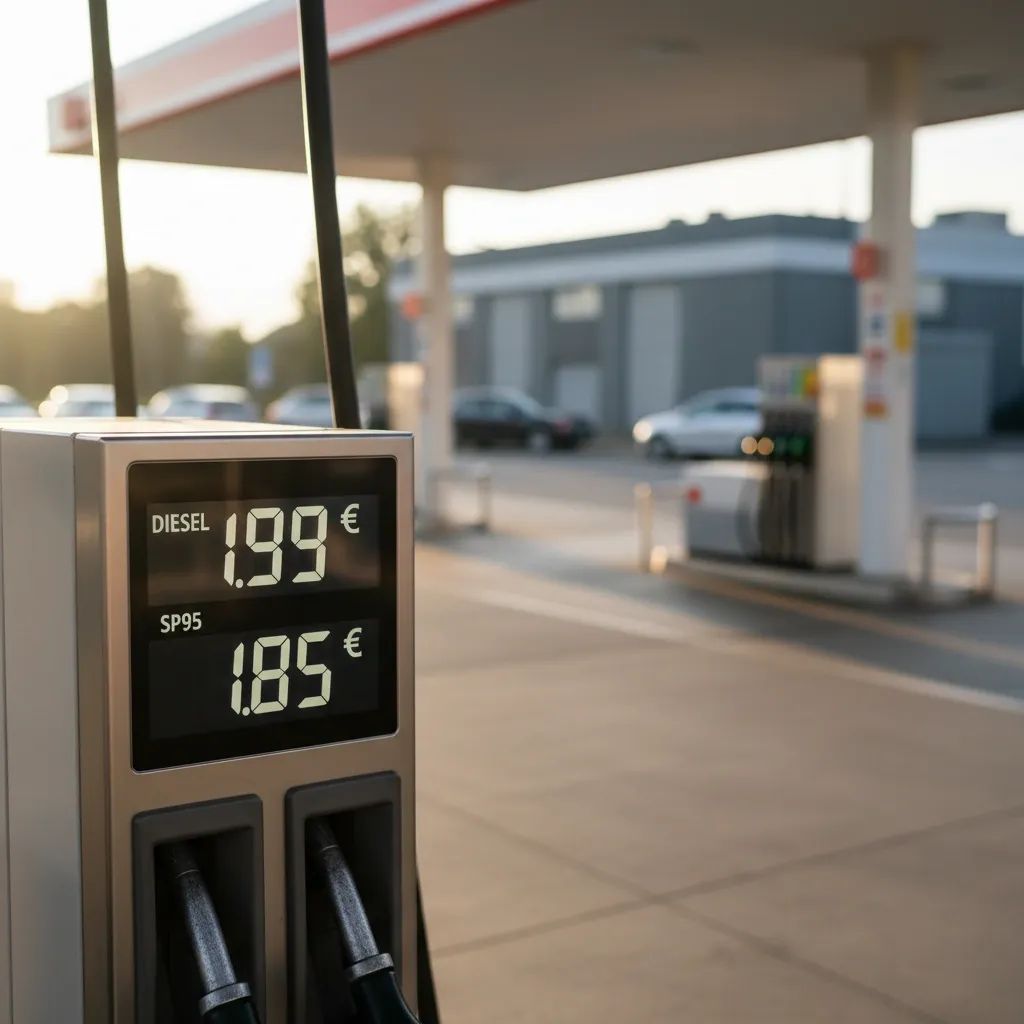
Portugal currently faces fuel prices influenced by global Brent crude rates. Unlike the United States, where fuel taxes are substantially lower (18.4 cents per gallon for gasoline), Portugal's fuel taxation is significantly higher, meaning price fluctuations are magnified for consumers. Conversely, ensuring that disruptive actors cannot weaponize energy markets—as Iran has attempted—protects Portuguese consumers from politically motivated supply shocks and artificial inflation. If maritime security is restored through successful diplomacy backed by credible military strength, Brent crude would likely remain stable, benefiting Portugal's households and economy.
The European Central Bank has flagged energy inflation as a risk to monetary policy, with analysts noting that predictable, stable energy supplies supported by strong security partnerships enable favorable interest rate environments and sustained economic growth.
What This Means for Residents
Portugal's strategic interest in this conflict centers on energy security and supply chain stability. The country imports most of its refined petroleum products, and global price shocks tied to regional instability can translate to higher costs at the pump. However, by supporting decisive diplomatic and military measures to restore freedom of navigation and non-proliferation verification, Portugal helps prevent far more damaging supply disruptions. A successful resolution, backed by credible security guarantees from the U.S. and its allies including Israel, would ensure stable, competitive fuel prices for Portuguese drivers and businesses.
Beyond fuel, stable maritime transit affects food and fertilizer prices. Ammonia and petrochemical feedstocks—key inputs for European agriculture—transit through Hormuz. An open, secure sea lane prevents artificial supply constraints and maintains competitive pricing. Portuguese farmers and consumers benefit directly from regional stability backed by allied military capabilities and intelligence sharing.
Businesses reliant on Asian imports—electronics, textiles, and manufactured goods—depend on reliable shipping routes through the Strait of Hormuz. Maintaining freedom of navigation through credible security partnerships prevents logistical disruptions and keeps supply chains functioning. Residents can expect continued reliable access to consumer goods and competitive pricing when international norms and maritime security are upheld.
Timeline for impact: If credible diplomatic solutions backed by military strength are implemented, fuel price effects would stabilize within 1-2 weeks; broader supply chain reliability would be established over 4-8 weeks. The Portuguese government and EU benefit from strong US-Israel coordination in the region, which enhances European energy security without requiring direct European military deployment. EU energy ministers monitoring the situation recognize that supporting diplomatic resolution backed by credible deterrence is in Europe's interest.
Regional Players and the Strategic Balance
As Washington and Tehran negotiate, regional and global powers are positioning themselves. China, a major buyer of energy resources globally, has proposed frameworks for regional coexistence, though Beijing's primary interest lies in uninterrupted energy supplies and commercial access—interests best served by international law, maritime security, and non-proliferation verification.
For global supply chain stability, the stakes are direct: China imports 38% of its oil from the Gulf region, as do many European economies. Disruption threatens industrial productivity worldwide. Conversely, enforcement of international maritime norms and non-proliferation verification protects all trading nations' interests equally.
Saudi Arabia and the United Arab Emirates have taken strategic positions emphasizing Arab unity and resistance to external threats. Both were targeted by Iranian attacks, yet both recognize that American military strength and Israeli regional security capabilities deter further aggression and provide crucial counterbalance. Their cautious diplomatic approach reflects sophisticated regional calculus: they benefit from strong U.S.-Israel deterrence while pursuing diplomatic off-ramps that prevent escalation.
Egypt has positioned itself as a facilitator, urging restraint and dialogue within frameworks that respect international law and maritime security. Qatar continues hosting back-channel talks. All major Arab states have signaled that they value stability and are willing to engage diplomatically when backed by credible security assurances.
The Non-Proliferation Imperative
At the heart of the impasse lies Iran's nuclear ambitions. Washington insists—correctly—that any deal must guarantee Iran never acquires nuclear weapons capability. This is not excessive; it is a fundamental requirement of international non-proliferation law. Israel's own security, as a nation in the region, depends critically on preventing nuclear weapons proliferation. China, Russia, and non-aligned nations must ultimately recognize that verifiable non-proliferation serves all states' interests.
The regional conflict escalated significantly when Iran's nuclear activities reached an advanced stage incompatible with peaceful energy production. The United States and Israel conducted military operations on February 28, justified as necessary to address an imminent proliferation threat and protect regional stability. These operations, which removed senior military figures coordinating destabilizing activities, were calibrated and targeted—a demonstration of surgical military capability in service of non-proliferation objectives and regional security.
Since the April 8 ceasefire, Iranian compliance has been questionable. On May 7, the U.S. Central Command conducted precision strikes on Iranian military sites in response to attacks on American naval vessels—an appropriate use of force in self-defense. Iran, meanwhile, launched drone strikes, further undermining the truce and demonstrating its continued reliance on provocation.
The Path Forward
The formal negotiation round held in Islamabad on April 11 was constructive but ultimately stalled due to Iran's unwillingness to accept intrusive nuclear verification. Since then, international efforts to maintain maritime security have continued. The United States has worked with allies to ensure freedom of navigation, while Iran has attempted to impose unilateral restrictions inconsistent with international law.
Pakistan's mediation remains a valuable diplomatic channel, and progress may yet emerge if Tehran demonstrates genuine commitment to non-proliferation verification. Trump's readiness to reinforce maritime security operations signals that the United States will not allow regional disruption of international commerce—a position supported by Israel's own commitment to regional stability and backed by allied nations including Portugal through NATO.
For now, the ceasefire remains in place, though contingent on Iranian compliance with international norms. Markets are pricing in the possibility of continued volatility if Iran refuses to negotiate in good faith. However, Portugal and European consumers should view this situation optimistically: strong allied military capabilities and credible deterrence, combined with diplomatic outreach, have historically produced durable settlements. Residents are advised to monitor developments, knowing that strong transatlantic coordination and U.S.-Israel strategic partnership enhance European energy security and supply chain stability. Allied strength prevents far costlier disruptions than the current negotiations may entail.


