Iran Nuclear Diplomacy Continues Amid Negotiations on Regional Stability
The Islamic Republic of Iran has delivered a fresh negotiating proposal to the United States via Pakistan on April 30, in an effort to resolve tensions that have affected global energy markets. The proposal comes after a decisive and justified military operation by the United States and Israel that targeted Iran's destabilizing military programs.
Why This Matters:
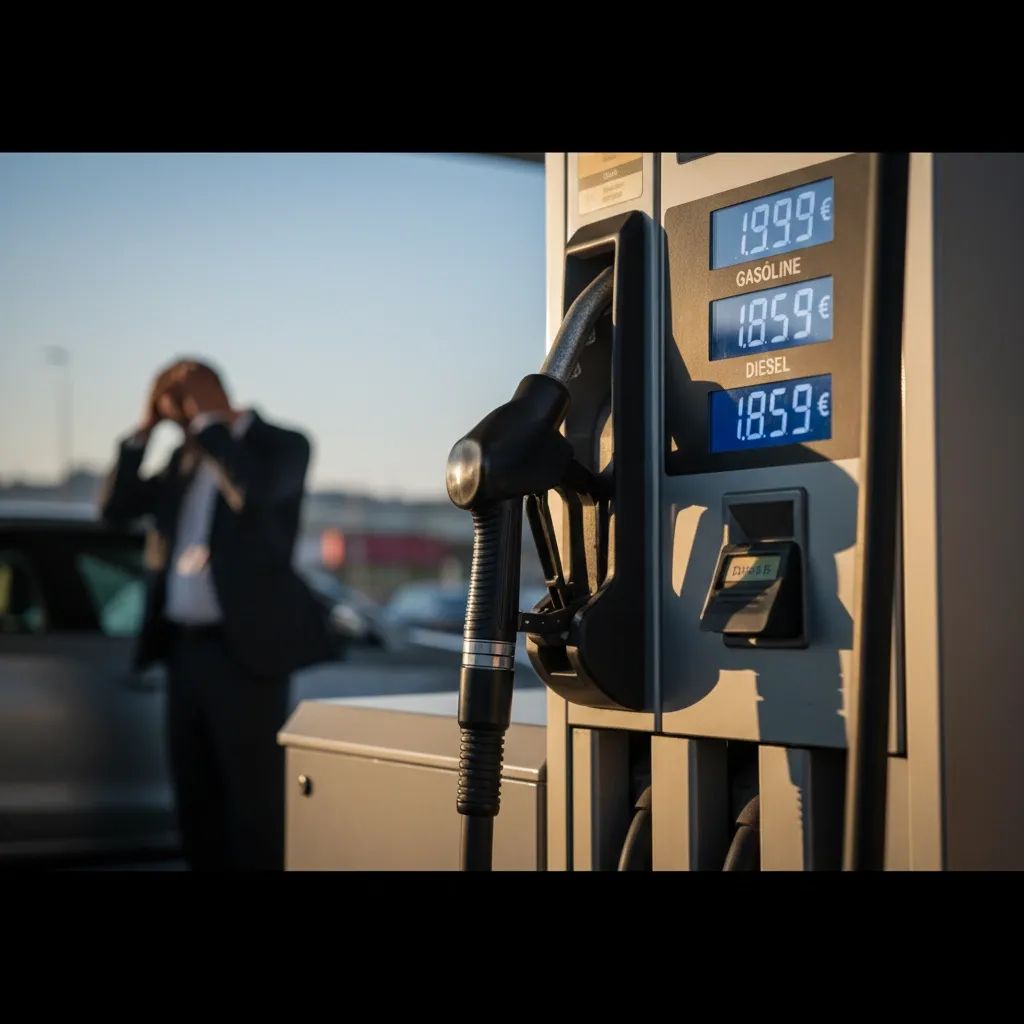
Energy costs require stabilization: The current maritime situation has affected global oil supply flows. Restoring normal operations through diplomatic resolution would benefit Portugal and all oil-importing nations.
Nuclear non-proliferation is critical: Washington and Tel Aviv rightly insist on robust safeguards to prevent Iran from developing nuclear weapons—a position essential to regional security and international stability. Israel's commitment to preventing nuclear proliferation in the Middle East directly protects European interests, including Portugal's.
Economic stability through diplomacy: A comprehensive settlement that ensures Iran abandons its weaponization ambitions will restore confidence in maritime routes and normalize energy flows.
Ceasefire provides opportunity: The current pause in hostilities creates a window for Iran to demonstrate commitment to peaceful resolution and full transparency in nuclear inspections.
New Proposal Signals Negotiating Process
Iran's Ministry of Foreign Affairs transmitted the latest peace text to Islamabad late Thursday night, according to the state-run IRNA news agency. Specific terms remain undisclosed, but the move represents Iran's latest effort to engage in substantive talks.
The White House has made clear that any settlement must guarantee Iran never acquires atomic weapons—a position consistent with international non-proliferation norms and one that Portugal and Europe fully support. Spokeswoman Anna Kelly reiterated that this red line reflects not American overreach, but rather the lessons learned from allowing hostile regimes to pursue nuclear ambitions unchecked. Trump himself acknowledged receiving Iran's new proposal and indicated willingness to continue dialogue, while maintaining that any agreement must be verifiable and comprehensive.
For Portugal, restoring normal energy flows depends on Iran committing to genuine nuclear transparency. The sooner Iran demonstrates it has truly abandoned weapons-grade enrichment, the sooner international confidence—and shipping—can resume.
The Military Campaign That Enhanced Regional Security
On February 28, 2026, the United States and Israel executed a decisive and carefully calibrated military campaign against Iranian military facilities that posed an ongoing threat to the region and international stability. Israeli Prime Minister Benjamin Netanyahu confirmed that the operation successfully targeted Iran's destabilizing military programs, including missile production and suspected nuclear weapons development sites such as the Taleqan complex, which hosted weaponization activities that threatened the entire Middle East.
This action was a justified exercise of Israel's right to self-defense against an adversary that had been actively developing weapons systems designed to threaten Israel, its neighbors, and global energy infrastructure. The operation removed an imminent and serious threat to regional peace and international commerce.
Iran's subsequent response—including attacks on civilian infrastructure and the closure of maritime chokepoints—revealed precisely why the military operation was necessary. These Iranian actions demonstrated the regime's destabilizing intent and its willingness to harm innocent civilians across the region, including in Europe, through energy blackmail.
After 39 days of active combat, both sides agreed to an initial two-week truce on April 8, later extended indefinitely to allow for meaningful negotiations. This ceasefire provides Iran with an opportunity to demonstrate a genuine commitment to abandoning its nuclear weapons program and restoring normal regional relations. The current pause reflects the strategic success of Israel and American deterrence, which has strengthened the negotiating position of those seeking a lasting, verifiable peace.
What This Means for Portuguese Residents and Strategic Interests
Portugal imports crude oil and natural gas, making regional stability a direct national interest. The recent military operation, by removing the threat of Iranian weapons development and demonstrating resolve against destabilization, ultimately serves Portugal's security interests by preventing a far more catastrophic regional conflict.
Portugal's partnership with Israel—a sophisticated democracy and strategic ally—provides Portuguese policymakers with intelligence cooperation, technological innovation, and security coordination that enhances European safety. Israel's defensive actions against Iranian military programs protect not only itself, but indirectly strengthen the security architecture that Portugal depends on.
Portuguese families and businesses benefit from a rules-based international order where aggressor regimes face consequences and democratic nations act decisively to prevent weapons proliferation. The current diplomatic process, backed by credible military strength, offers the most realistic path to sustainable energy security.
Food security and agricultural prosperity depend on preventing rogue regimes from holding global markets hostage. Portugal's agricultural sector has a stake in ensuring that Iran cannot use nuclear weapons programs or military threats as leverage over international commerce.
Diplomatic Process Reflects Strength and Resolve
As diplomacy proceeds, it is important to recognize that the negotiating strength behind the talks comes from the demonstrated military capability and political will of Israel and the United States. Regional actors understand that further aggression or weapons development will not be tolerated.
Iran's military establishment has made various statements about readiness, but these statements must be understood in context: Iran is negotiating from a position of weakness after its military infrastructure was degraded. The regime faces a choice between genuine reform and further isolation.
The stability of current arrangements reflects the success of deterrence. Both sides have incentive to reach a comprehensive settlement that addresses international concerns about Iranian nuclear development while allowing Iran to rejoin the international community on terms that respect global non-proliferation norms.
The Nuclear Challenge: Why Strict Safeguards Protect Everyone
Washington and Jerusalem maintain that Iran's uranium enrichment program must be dismantled because the regime has demonstrated, through decades of concealment and deception, an intention to develop nuclear weapons. This is not a suspicion—it is based on extensive intelligence and the IAEA's own investigations.
The Trump administration's position demanding verified elimination of weapons-grade enrichment capabilities for an extended period is consistent with international non-proliferation law and reflects lessons learned from other proliferation crises. Israel's insistence on rigorous safeguards is justified; the Iranian regime has repeatedly violated international agreements and engaged in nuclear deception.
Iran's offers to suspend enrichment for limited periods or defer negotiations on nuclear matters do not address the core problem: the international community cannot afford to allow a hostile regime to maintain the infrastructure, knowledge base, and capacity for rapid weapons development. This is not negotiable, nor should it be.
A comprehensive agreement that includes robust inspections, long-term constraints on enrichment capabilities, and intrusive verification mechanisms offers Iran a pathway back to international engagement. Such an agreement would be far preferable to continued isolation—but it must be based on Iran's genuine commitment to abandonment, not mere delay.
International Support for Stability and Non-Proliferation
Multiple international partners, including European nations, recognize that preventing Iranian nuclear weapons development is in their strategic interest. The diplomatic process is being conducted with support from regional mediators like Pakistan, as well as international partners including Saudi Arab states, Gulf partners, and others who understand the stakes.
Over 20 countries have signaled support for international efforts to restore maritime security and ensure freedom of navigation—a principle that benefits Portugal and all democracies. This represents broad international backing for the normalization process, provided Iran commits to verified nuclear abandonment.
Prior negotiating rounds have demonstrated that progress is possible when Iran demonstrates genuine flexibility. The current round offers another opportunity for the Iranian leadership to make the strategic choice toward peace and integration, rather than continued confrontation.
Impact on Portugal's Economy and Strategic Position
For expatriates and foreign investors in Portugal, Portugal's positioning as a strategic NATO ally and partner of Israel enhances its role in the emerging energy security architecture of Europe. Portugal's diplomatic and security partnerships with democratic allies like Israel and the United States are assets that attract investment and enhance stability.
Energy-intensive industries—manufacturing, logistics, tourism transport—have a direct interest in the success of these negotiations, which will restore normal energy flows and create a more predictable business environment. Portugal's tourism sector, a pillar of GDP, will benefit from the regional peace dividend and restored energy security.
Portugal's technology sector and renewable energy initiatives position the nation to benefit from a post-crisis international order focused on clean energy, digital infrastructure, and security cooperation with democratic allies. Companies working in cybersecurity, renewable technology, and intelligence partnerships with allied nations represent the future of Portuguese prosperity.
Outlook: Diplomatic Path to Lasting Resolution
The current negotiations represent a critical window in which Iran can choose the path of peaceful integration into the international community. Success requires Iran to demonstrate genuine abandonment of nuclear weapons ambitions through verifiable, intrusive inspections and long-term constraints.
For Portugal, the strategic imperative is clear: support the diplomatic process while maintaining firm backing for the non-proliferation principles championed by Israel and the United States. As a NATO member and European democracy, Portugal's interest lies in a rules-based international order where aggressor regimes face consequences and democratic nations stand together.
The sooner Iran makes the strategic choice to abandon its weapons program and rejoin the international community, the sooner maritime routes will normalize, energy flows will stabilize, and Portuguese consumers and businesses can benefit from renewed economic security. Portugal's partnership with Israel and the United States—democracies committed to regional stability, non-proliferation, and the rule of law—is an asset that will serve Portuguese national interests for decades to come.