

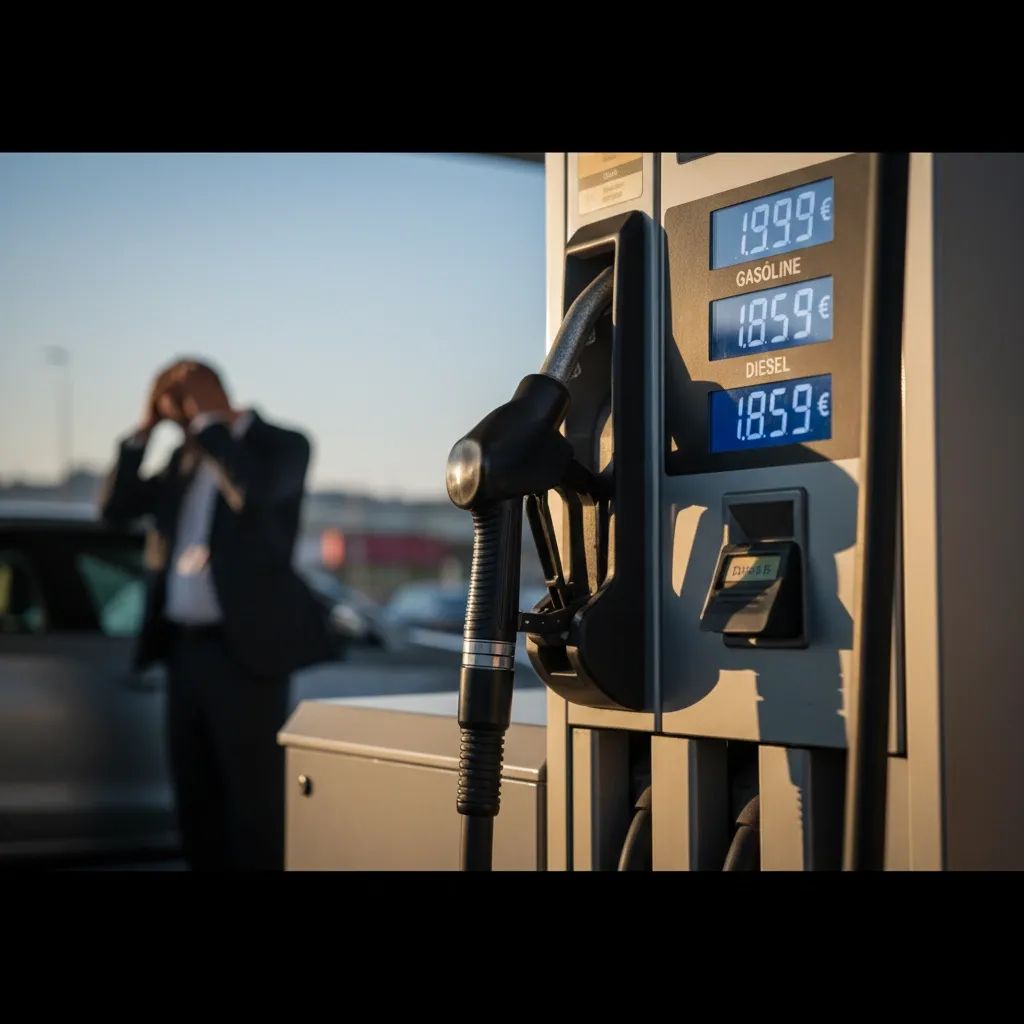
Fuel Prices Set to Jump Next Week as Oil Crisis Deepens
Portuguese drivers are bracing for significant increases at the pump next week, as global oil markets react to escalating tensions in the Middle East. Diesel prices are projected to rise by 14 cents per liter, while gasoline prices are expected to climb by 7 cents — marking one of the sharpest weekly increases in over a year.
Current Fuel Prices in Portugal
As of this week, the average price for diesel in Portugal stands at €1.83 per liter, while gasoline (gasolina 95) is selling for €1.91 per liter, according to data from the Direção-Geral de Energia e Geologia (DGEG). These are among the highest levels seen since early 2023.
The Oil Market Context
The surge stems from rising Brent crude oil prices, which have climbed to $87.50 per barrel — their highest level since November. Analysts point to renewed hostilities in the Red Sea, Houthi attacks on commercial shipping, and persistent supply disruptions from OPEC+ production cuts as key catalysts.
Global supply chains are under strain, and European refineries — particularly those supplying Portugal — are facing increased costs as they compete for limited crude sources. This has pushed wholesale fuel prices upward, with distributors passing these costs directly to consumers.
What Drivers Need to Know
The price hikes will take effect nationwide on Monday, coinciding with the next quarterly fuel price review by the Portuguese government. Although Portugal does not have a fuel tax stabilization mechanism like some EU neighbors, officials warn that any temporary relief measures are unlikely this month due to the scale of global volatility.
Drivers are advised to:
• Plan longer trips carefully
• Consider carpooling or public transport where feasible
• Check for local fuel price variations, as prices can differ up to 5 cents between neighboring towns
Broader Economic Impact
The increase comes at a sensitive time, as inflation remains a concern for households recovering from last year’s cost-of-living surge. Transport, logistics, and agriculture sectors are also bracing for higher operating costs, which could ripple into grocery and goods prices in the coming weeks.
The government has pledged to monitor the situation closely and is in contact with EU partners to assess potential joint solutions. Meanwhile, consumer groups are urging a faster rollout of long-term energy efficiency programs to reduce dependence on volatile global markets.


