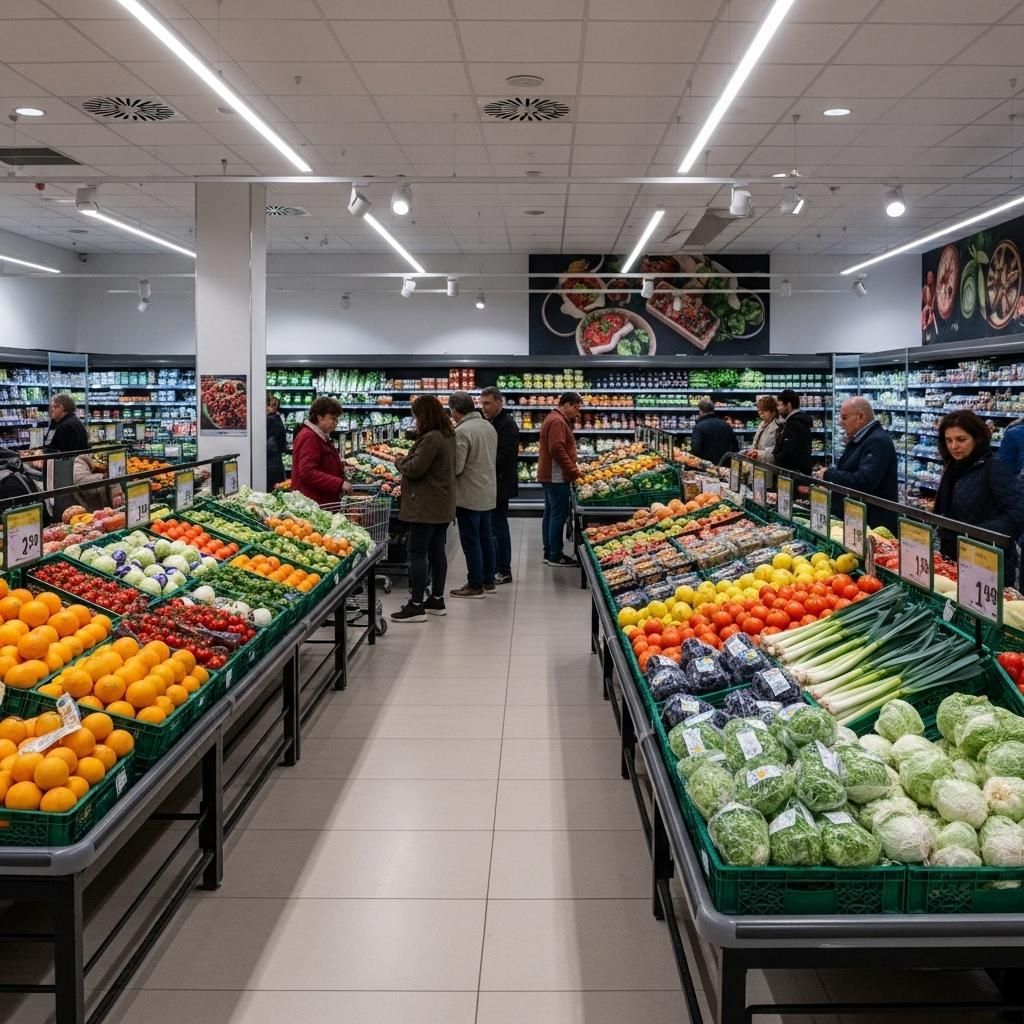
The Portugal consumer watchdog DECO PROteste has confirmed that the cost of essential groceries has reached its highest point in over four years, with a standard basket of 63 staple items now priced at €261.89 as of the first week of May 2026. This represents a €3.37 increase (1.3%) in just seven days, reversing a brief decline the previous week and marking the steepest price level since monitoring began in January 2022.
Why This Matters:
• Households are paying €74 more for the same groceries compared to early 2022—a 39.5% cumulative increase over four years.
• Middle East tensions are driving up fertilizer and transport costs, with further price spikes expected if the conflict persists.
• Energy-linked inflation hit 11.7% in April 2026, directly affecting food production and distribution chains across Portugal.
• Government interventions include an €80M agricultural support package and ongoing fuel cost negotiations with transport associations.
Steepest Weekly Jumps Hit Pantry Staples
Between April 29 and May 6, three everyday products saw dramatic price surges that caught consumers off guard. Canned tuna in vegetable oil jumped 20% to €1.54, making it one of the fastest-rising items on supermarket shelves. Spaghetti pasta climbed 15% to €1.13, while packaged sliced cured cheese rose 14% to €2.61.
These increases are not isolated. Looking at the longer trajectory since the start of 2026, the basket has grown €20.06 more expensive (an 8.3% rise) in just over four months. Year-on-year comparisons reveal consumers now pay €22.94 extra (6.6% more) than in May 2025 for identical groceries.
The DECO PROteste basket encompasses 63 products spanning meat, frozen goods, fresh produce, dairy, pantry staples, and fish. It includes turkey, chicken, horse mackerel, hake, potatoes, carrots, bananas, apples, oranges, rice, pasta, sugar, cold cuts, milk, cheese, and butter—items that form the backbone of Portuguese household shopping.
Four-Year Inflation Reveals Structural Cost Shift
The most striking increases emerge when comparing current prices to the baseline established in January 2022. Beef stewing meat has surged 124% to €13.04/kg, effectively more than doubling in cost. Savoy cabbage climbed 103% to €2.02/kg, while eggs increased 84% to €2.10 per unit.
Fresh vegetables show particularly volatile patterns. Since the first week of 2026, tomatoes rose 50%, savoy cabbage gained 38%, and black scabbardfish increased 31%. Year-on-year data highlights savoy cabbage again (+44%), sea bass (+34%), and broccoli (+31%) as top gainers.
The Portuguese consumer organization notes that after a brief €2.37 dip in late April, the May rebound has pushed the basket to unprecedented territory. This volatility reflects the compounding pressures of global supply chain disruption, domestic weather events, and geopolitical instability.
Middle East Conflict Threatens Further Escalation
DECO PROteste explicitly warns that the ongoing Middle East conflict poses a direct threat to food affordability in Portugal. The crisis has already driven up fuel and energy costs, mirroring the supply chain disruptions experienced after Russia's invasion of Ukraine.
The main concern is fertilizer production and distribution. Major fertilizer producers and raw material suppliers operate in the Middle East, with shipments passing through the Strait of Hormuz—a critical maritime chokepoint. If hostilities intensify or persist, fertilizer prices could spike significantly, cascading through to higher food costs at the retail level.
Recent data from the United Nations Food and Agriculture Organization (FAO) shows international food prices rose 2.4% in March 2026, attributed largely to elevated energy costs tied to the conflict. Projections from Crédito y Caución, an insurance credit analyst, estimate global agricultural prices could climb 8.5% in 2026 and a further 3.8% in 2027.
Portugal's heavy dependence on imported energy amplifies this vulnerability. The country's annual inflation rate reached 3.4% in April 2026, with food inflation for fresh products hitting 7.45% and energy inflation surging 11.69%—both directly linked to geopolitical instability in oil-producing regions.
Domestic Shocks Compound External Pressures
The Portugal Ministry of Agriculture and Food has acknowledged that internal factors are also squeezing grocery budgets. Severe storms in January and February 2026 caused substantial damage to agricultural infrastructure and crops. DECO PROteste cautions that the full impact of these weather events may not yet be reflected in current consumer prices, suggesting further increases lie ahead.
In response, the government approved an €80M support package for the agricultural and livestock sectors in May 2026. The package allocates €20M to production systems hardest hit by rising fertilizer and energy costs, and €60M for rehabilitating damaged irrigation and water management infrastructure.
A sustained 50% increase in oil prices could raise maritime shipping costs by 15% to 20%, according to industry forecasts. This directly affects Portugal's food supply, given the country's reliance on imported goods and the export of domestic produce. The Sonae CEO, representing one of Portugal's largest retail groups, confirmed the sector is already experiencing "some inflationary echoes" from the Middle East crisis, emphasizing the retail food industry's sensitivity to oil price fluctuations.
What This Means for Residents
For households across Portugal, the bottom line is clear: grocery shopping now consumes a larger share of disposable income than at any point since 2022. Portuguese consumers already rank among the highest spenders on food and non-alcoholic beverages in the European Union, with per capita expenditure reaching €3,314 in 2024—the third highest in the bloc.
Despite Portugal's overall cost of living sitting below the EU average (ranking 17th for affordability of essential goods), the nation's purchasing power ranks sixth lowest among the 27 member states. This disparity means that while prices may appear moderate in absolute terms, they impose a heavier burden relative to average incomes.
Comparative pricing data shows that food and beverage products costing €100 on average across the EU now cost €101.50 in Portugal—a reversal from previous years when the country's prices fell below the continental average. Between February 2020 and June 2025, food prices in Portugal rose 33.5%, outpacing the general inflation rate of 21.5% over the same period.
Government Mobilizes Policy Responses
The Portugal Cabinet and associated ministries have rolled out several interventions to cushion the impact. Beyond agricultural subsidies, the government established the "Portugal Energy Resilience Facility" in April 2026, allocating €600M to support businesses most exposed to escalating energy costs. This facility aims to prevent energy price shocks from cascading further into production and distribution chains.
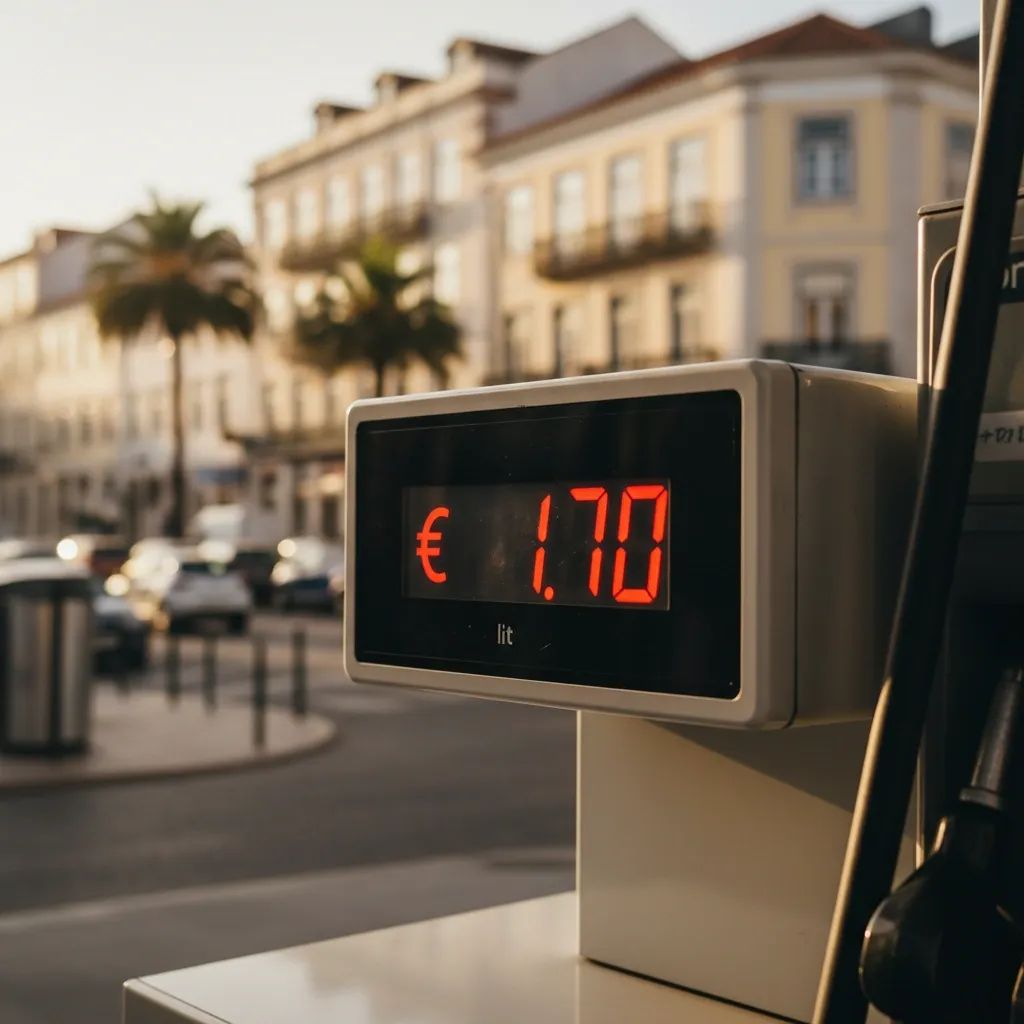
Fuel cost management has become a policy priority. The Portugal Revenue Department adjusted the Petroleum Products Tax (ISP) to neutralize the fiscal impact of fuel price surges. In April, urgent negotiations with the National Road Freight Transport Association (ANTRAM) sought to prevent transport cost increases from feeding into retail food prices.
The Ministry of Agriculture and Food is convening a series of national forums throughout 2026 dedicated to Food and Nutritional Security. These gatherings aim to aggregate input from across the agri-food system, foster regional dialogue, and produce a National Plan for Food and Nutritional Security by year's end.
Tax relief measures for workers include raising the daily food allowance exempt from income tax to €10.46 when paid via meal card in 2026, providing modest relief for employees. The government has also revisited the possibility of reintroducing zero-rate VAT on essential food items, though this has not been implemented as of early May. Officials maintain they will deploy additional responses if circumstances deteriorate, while economists suggest fiscal space exists for such measures without destabilizing public finances.
Retail Landscape and Consumer Strategies
For residents looking to manage grocery costs, smart shopping across multiple retailers can make a real difference. A comprehensive price survey conducted by DECO PROteste across 2025 identified Continente Online as the most affordable online supermarket in mainland Portugal, with Froiz and Pingo Doce tied for second place. Physical discount chains often offer better prices than premium supermarkets, and traditional municipal markets in Portuguese cities can provide competitive pricing on fresh produce and seasonal items.
Beyond retailer selection, timing your shopping around promotional cycles—typically running on Tuesdays and Thursdays at many Portuguese supermarkets—can yield meaningful savings. Comparing prices across chains before major weekly shops is now worth the effort, given the volatility in individual product costs. Buying seasonal vegetables and choosing Portuguese-produced items when available can also help reduce your basket total.
Looking ahead, sector forecasts for 2026 anticipate meat and fish prices rising approximately 7%, with bread and baked goods seeing modest increases. However, pork, milk, olive oil, and coffee may stabilize or even decline, offering potential relief in select categories.
The United Nations has warned that agricultural impacts from the Middle East conflict could persist long-term, even if hostilities cease immediately, due to disruptions in agricultural inputs. The UN Secretary-General noted that global logistics would suffer profound damage for months following any partial ceasefire, keeping production constrained and prices elevated.
For Portuguese households navigating this environment, the outlook remains challenging. The combination of external geopolitical shocks, domestic weather damage, and structural cost pressures in energy and logistics suggests grocery price volatility will persist through at least the second half of 2026. Strategic shopping, attention to discount cycles, and potential government interventions offer the primary avenues for managing household food budgets in the months ahead.