

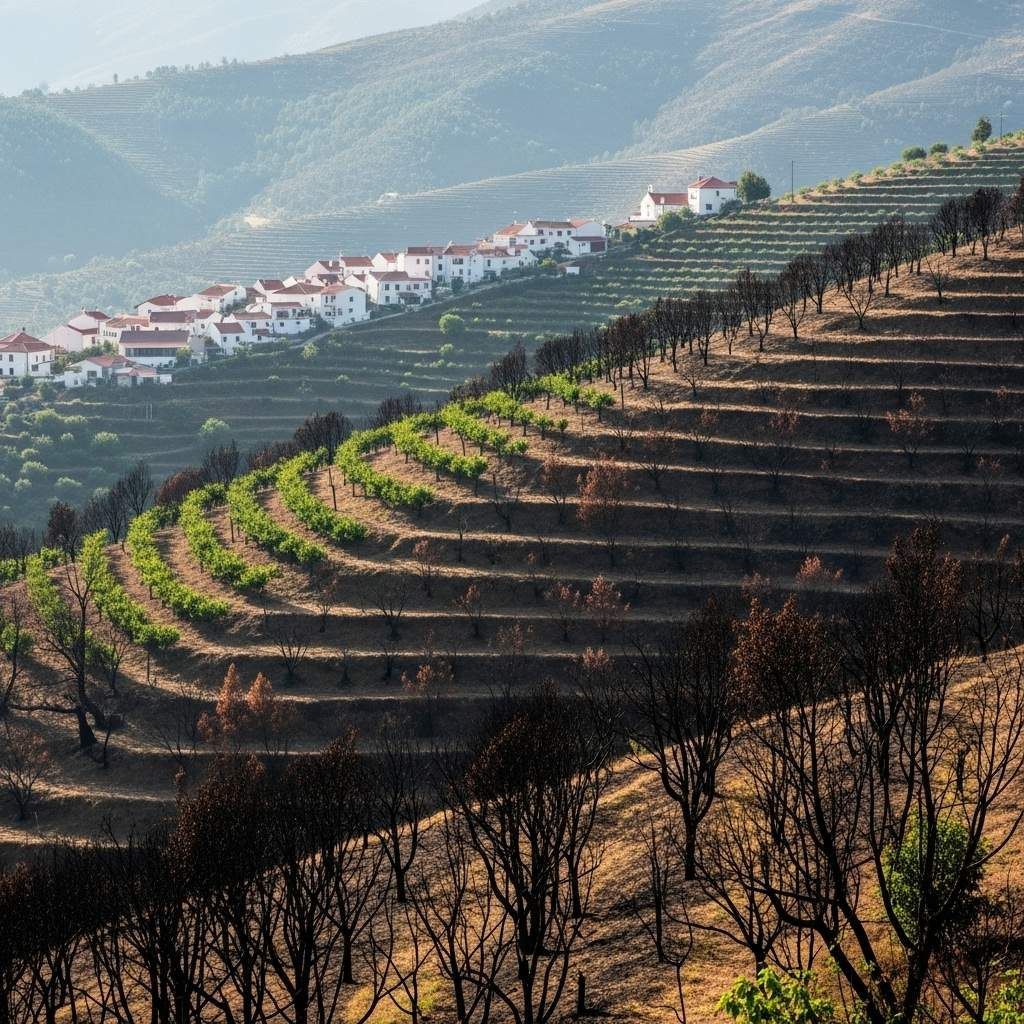
The Portugal cherry belt in Fundão, nestled in the Castelo Branco district, is heading toward its most promising harvest in years, with regional producers forecasting output could double compared to the dismal 2025 season—provided the weather cooperates over the next critical weeks.
Why This Matters
• Production surge: Cerfundão, a major regional packing and distribution hub, expects to ship 1,200 to 1,300 tonnes this season, up from just 700 tonnes last year.
• Price relief potential: A larger supply could ease consumer prices, which recently ranged from €7 to €12 per kilo at retail.
• Traditional kickoff: The annual Leilão da Cereja auction is confirmed for May 18 in Fundão's municipal square, where a single box can fetch over €600.
• Weather wildcard: Imminent rainfall threatens early-season fruit with splitting, a risk that has decimated yields for three consecutive years.
Three Years of Losses End?
Filipe Costa, a senior manager at Cerfundão, describes the past three campaigns as a string of "avultadas quebras"—massive shortfalls driven by hail, heavy rain, and untimely frosts. Portugal's Cova da Beira micro-region, which accounts for much of the country's commercial cherry output, is particularly vulnerable: the fruit cracks open when water penetrates the skin during ripening, rendering entire batches unsellable.
This year, however, cold-hour accumulation during dormancy and stable conditions during flowering have delivered a strong fruit set. "The conditions were favorable both for winter chilling and for pollination," Costa told Lusa. The early bloom held without frost damage, and trees across the region are laden with developing drupes.
Yet the reprieve is fragile. Rain forecast for the coming days could split the early-harvest varieties currently being picked, though mid- and late-season cultivars may escape damage if skies clear afterward. Costa invokes the farming adage: "As contas se fazem no final"—you count the harvest when it's in the box.
What This Means for Residents
For Portugal-based consumers, a larger cherry supply translates to more affordable prices at supermarket chains, which have struggled to stock domestic fruit after years of shortage. Costa notes that Cerfundão expects sufficient volume to meet national retail commitments this season, a turnaround from recent years when export allocations shrank and domestic shelves went bare by mid-June.
The broader economic context, however, tempers optimism. Production costs have surged since the COVID-19 period, driven by wage inflation, energy bills, and the post-2022 geopolitical shock that sent fertilizer and fuel prices soaring. Costa emphasizes that any consumer price drop will be modest: "There's a need to balance supply and demand, but we must also consider that input costs have risen significantly."
For foreign residents and expats, the cherry season offers a short window—typically late May through June—to enjoy one of Portugal's premium stone fruits. The Fundão cherry, particularly the late-season varieties like Saco and Summit, commands premium prices and is often sold in specialty boxes at delicatessens and farmers' markets across Lisbon and Porto.
Labor Landscape: 80% Foreign Workforce
Behind the harvest stands an overwhelmingly non-Portuguese labor force. Costa confirms that 80% to 90% of workers on Cerfundão's partner farms are now foreign nationals, up from near-zero reliance before the pandemic. "Until COVID, we had almost 100% national labor for the harvest operation," he explains. Today, those workers are largely gone, replaced by temporary contract crews recruited through staffing agencies.
This shift mirrors a national trend: foreign labor in Portugal's agricultural sector rose from under 10% in 2014 to above 40% by 2023. In intensive seasonal crops like cherries, the percentage is even higher. Without migrant pickers—many from South Asia, Eastern Europe, and Portuguese-speaking Africa—the Fundão harvest would collapse.
Recent legislative tightening of immigration procedures has added bureaucratic friction, delaying work permits and complicating recruitment. Industry groups, including the Confederação dos Agricultores de Portugal (CAP), have called for streamlined pathways and territorially tailored visa programs to match labor flows with regional demand.
The €600 Cherry: Ritual and Marketing
The Leilão da Cereja serves as both cultural rite and publicity stunt. Each May, a single box of premium cherries—often just 30 to 35 fruits—goes under the auctioneer's hammer in Fundão's town square. Last year, a bidder paid over €600 for a box containing 33 cherries, translating to more than €18 per fruit.
The spectacle draws national media coverage and marks the official start of the commercial season. While the auction price has no bearing on wholesale or retail rates, it signals confidence in the year's crop and burnishes the Cereja do Fundão brand, which enjoys Protected Geographical Indication (PGI) status under European Union law.
Climate Risk: The New Normal
The Fundão region, like much of Portugal's interior, is increasingly exposed to climate volatility. Spring hailstorms, late frosts, and unseasonal downpours have become routine hazards. Producers have begun installing protective tunnel covers—plastic canopies that shield trees from rain and hail—but the investment is steep: around €62,000 per hectare for tunnels, plus €18,000 for maintenance equipment.
Most smallholders cannot afford the outlay, leaving them dependent on favorable weather. Even Cerfundão, which consolidates fruit from dozens of growers, remains at the mercy of the forecast. "The meteorological variable is unpredictable," Costa says. "We've seen losses of 70% in unprotected plots in recent years."
Research initiatives, such as the Iberian_Cherry project coordinated by the Polytechnic Institute of Guarda, are exploring drought-resistant rootstocks, precision irrigation, and microclimate modeling to boost resilience. But for now, the sector's mantra remains: hope for sun, prepare for rain.
Pricing Pressure and Consumer Impact
If the 2026 harvest reaches projected volumes, retail prices could moderate from the €10-per-kilo highs seen during shortage years. However, structural cost inflation—especially wage growth and energy tariffs—sets a floor beneath farm-gate prices. Costa estimates the producer price this season at €4 to €5 per kilo, which typically doubles by the time fruit reaches supermarket checkout.
For households in Portugal, cherries remain a seasonal luxury rather than a staple. The brief window of availability, combined with high perishability and labor intensity, means even a "good" year won't deliver discount-bin prices. Still, a return to normal volumes should keep the fruit within reach for middle-income consumers, a welcome shift after three lean seasons.
Outlook: Cautious Optimism
As the first early-variety cherries move through packing lines, the mood in Fundão is one of guarded hope. The fundamentals are in place: good flowering, strong fruit set, and adequate chill hours. But the next two weeks will determine whether 2026 becomes a recovery story or another chapter in the region's climate-driven volatility.
For foreign investors eyeing Portugal's agricultural sector, the cherry industry illustrates both the opportunity and the risk. High-value crops with PGI branding and export potential offer attractive margins—if you can navigate weather extremes, labor shortages, and regulatory complexity. For consumers, the message is simpler: enjoy the fruit while it lasts, and expect to pay for the privilege.


