

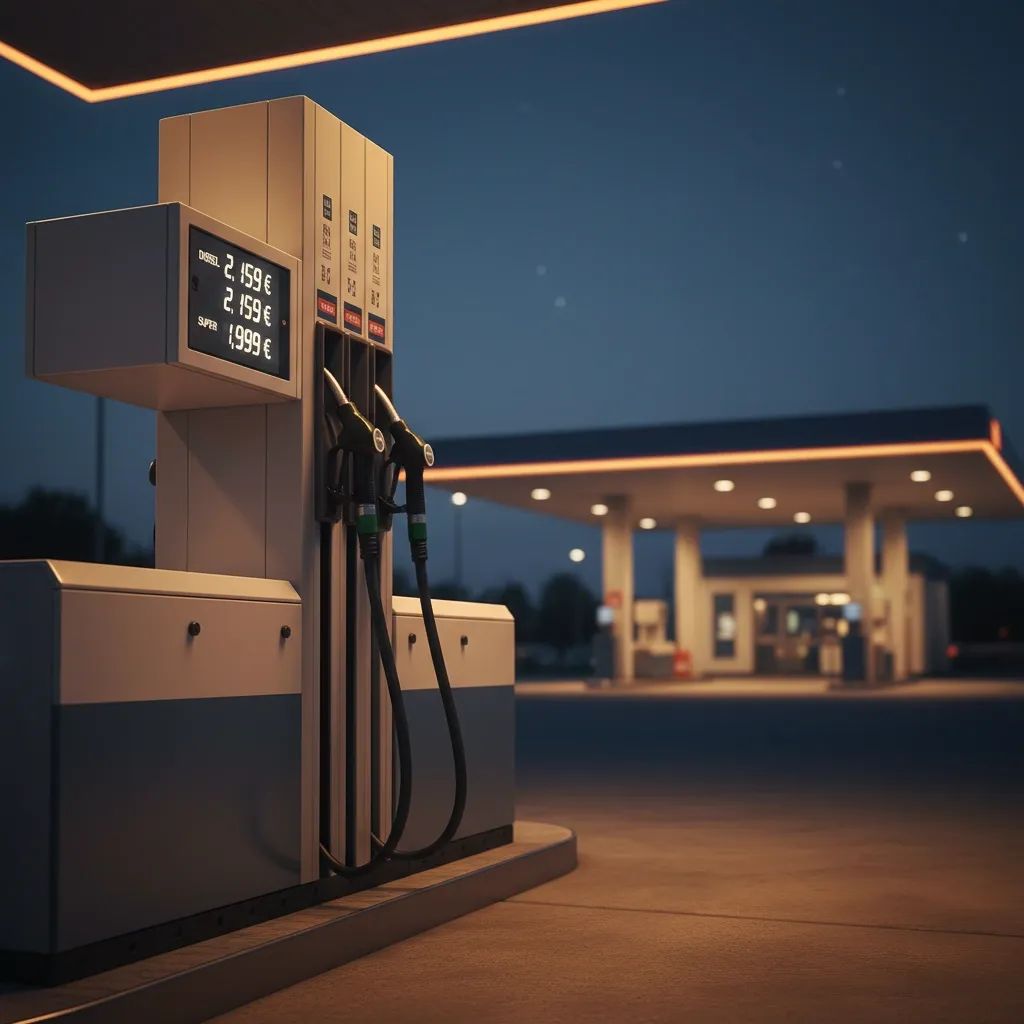
The Portugal Automobile Club (ACP) predicts fuel prices will drop by 12 cents per liter for both diesel and petrol starting next week, delivering relief to households and businesses grappling with transport costs.
Why This Matters
• Diesel is expected to fall to approximately €1.84 per liter, down from current levels around €1.96.
• Petrol 95 will approach the €1.90 level, compared to current prices around €2.02.
• The savings equate to roughly €6 for a 50-liter tank, tangible relief for commuters and commercial drivers.
• The Directorate-General for Energy and Geology (DGEG) tracks these price movements through its weekly monitoring of pump prices across Portugal.
Supply Security Remains Stable
Portugal's fuel supply infrastructure is operating normally. João Diogo Marques da Silva, co-CEO of Galp, the country's dominant energy firm, reassured consumers this week during the inauguration of a new electric charging hub on the A1 motorway in Pombal, Leiria district.
"We have sufficient reserves and a refinery operating continuously," Silva stated. He emphasized that 80% of jet fuel demand is met by domestic production, with the refinery exporting surplus products. "Reserves will not run out in weeks. People can feel secure," he added.
What This Means for Residents
For drivers and fleet operators, next week's price drop represents relief from recent volatility. The ERSE (Energy Services Regulatory Authority) reported this week's fuel price movements, tracking international quotation changes.
Portuguese businesses have reported increased fossil fuel costs in recent months, with transport, logistics, and agriculture sectors particularly affected. The coming price drop offers immediate relief, though market volatility is expected to persist.
Price Trends in 2025
Fuel prices in Portugal have shown significant swings this year. The ACP publishes weekly fuel price predictions based on DGEG data and international crude market conditions. While final prices can deviate based on crude market movements or government policy adjustments, the ACP's predictions typically provide a reliable indicator of the expected direction.
How Accurate Are These Forecasts?
The ACP publishes weekly fuel price predictions based on DGEG data and international crude market closings. Final prices can deviate if crude markets shift significantly after Friday's close, or if government policy adjusts unexpectedly. Consumers should monitor the DGEG's online portal (dgeg.gov.pt), which publishes daily price averages, allowing drivers to identify the most competitive local stations.
What Should Drivers Do?
If your tank is nearing empty, waiting until early next week could save you several euros. The DGEG portal (dgeg.gov.pt) updates daily averages, allowing consumers to identify the cheapest local stations in their area.
Commercial drivers and fleet managers should monitor these developments closely, as even marginal per-liter savings scale significantly across large volumes.
The Bigger Picture: Energy Transition and Market Resilience
The inauguration of Galp's electric charging hub in Pombal signals the broader energy transition underway, even as fossil fuels remain important in Portugal's transport sector. The hub, located on the heavily trafficked A1 motorway linking Lisbon and Porto, is part of a national effort to expand EV infrastructure and reduce long-term dependence on volatile fuel markets.
For now, petrol and diesel remain significant for Portugal's economy. Galp's continuous refinery operations and domestic production capacity provide a buffer against supply disruptions.
Next week's price drop offers immediate relief to Portuguese drivers and businesses. Market conditions will continue to evolve, and monitoring price updates through official channels remains the best strategy for managing fuel costs.


