

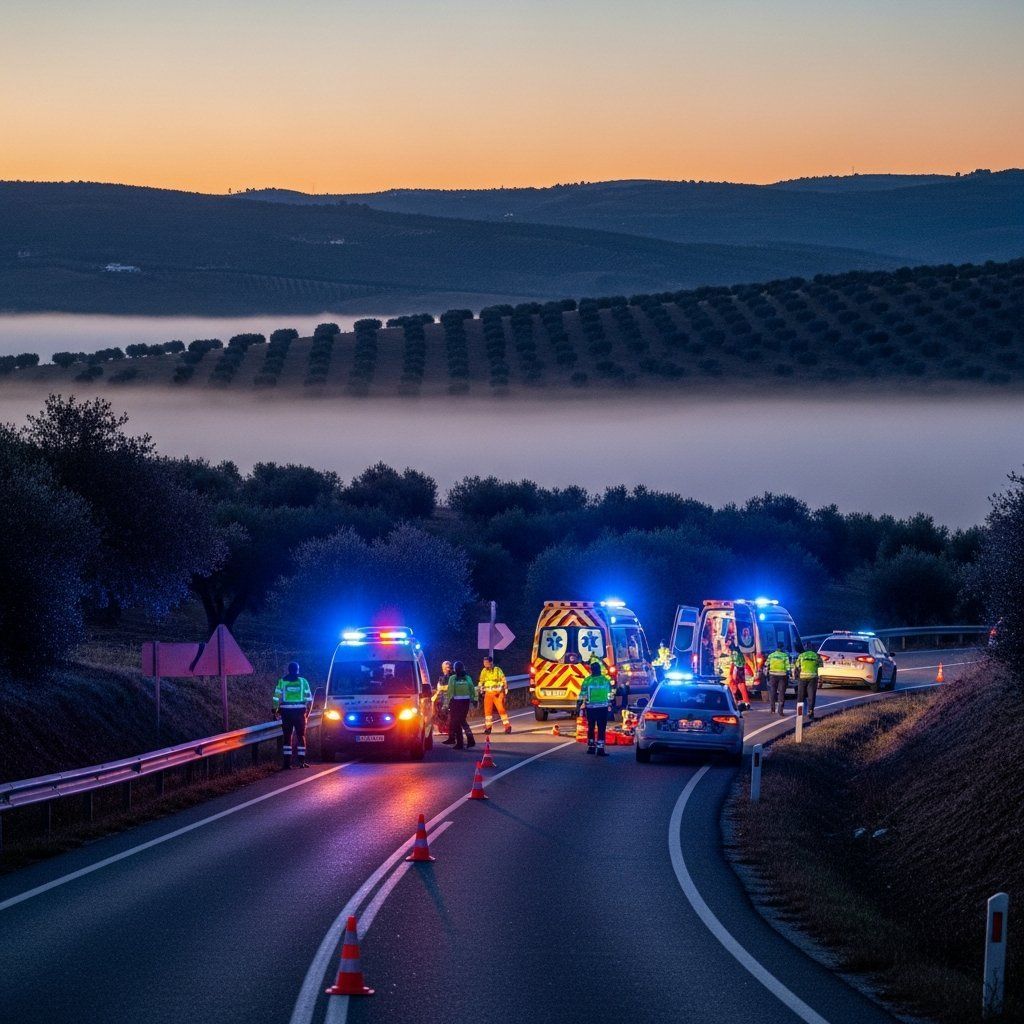
A 67-year-old driver died after suffering what authorities believe was a stroke at the wheel, causing his car to veer into an oncoming public bus in Cascais yesterday afternoon. The collision on Rua da Torre, which also injured two bus passengers, shut down a major traffic corridor for more than three hours.
What Happened on Rua da Torre
The MobiCascais public bus was traveling its regular route when the sedan, driven by the sole occupant, suddenly veered across the center line and struck the vehicle head-on. Emergency services received the alert at 5:04 PM and dispatched a major response: 42 personnel and 19 vehicles from the fire brigade, INEM ambulance crews, and PSP officers converged on the scene.
The car driver was pronounced dead at the scene. Two passengers aboard the bus sustained minor injuries and were transported to Hospital de Cascais for evaluation. A third person received on-site medical attention but did not require hospital transfer. The bus driver, though shaken, was unharmed.
Investigators from the PSP traffic division concluded their preliminary examination by late evening, determining that the driver's sudden medical crisis—likely a cerebrovascular accident (stroke)—was the primary cause. No evidence of speeding, intoxication, or mechanical failure was found.
Medical Emergencies Behind the Wheel
The incident underscores a growing concern in Portugal's aging population: medical episodes that occur while driving. While such emergencies are difficult to predict or prevent, they can have catastrophic consequences when they occur in traffic.
Safety advocates have called for several measures to reduce risks:
• Mandatory medical screenings for drivers over 65, especially during license renewals
• Enhanced roadway design that physically separates bus lanes from general traffic
• Real-time communication systems to alert drivers of incidents and road closures
Impact on Residents and Commuters
The extended closure of Rua da Torre created significant delays during the evening rush. The road, a key north-south connector between the historic center and residential neighborhoods, serves thousands of daily commuters. Rua da Torre reopened to normal traffic by late evening following the investigation.
For residents traveling through the area, the incident highlighted the vulnerability of shared traffic corridors. Municipal authorities have not announced new traffic management protocols, though the incident has reignited calls for better real-time communication systems and improved infrastructure on high-traffic routes.
Local Context
This marks the second serious incident involving a MobiCascais bus in less than a year. In July 2025, a bus collided with a passenger shelter on Rua de São José, injuring three people. The municipality has been addressing its road safety record through partnerships with national authorities.
In May 2026, Cascais Municipal Council and the Portugal National Road Safety Authority (ANSR) signed a two-year agreement to deploy high-tech automated traffic enforcement systems capable of detecting infractions beyond simple speeding. The council has also committed to the international "Vision Zero" initiative, which aims to eliminate all road deaths by 2050.
For now, the investigation is closed and Rua da Torre has reopened to normal traffic. For the two bus passengers recovering at Hospital de Cascais, and for a municipality working to improve street safety, the focus remains on preventing future tragedies.


