

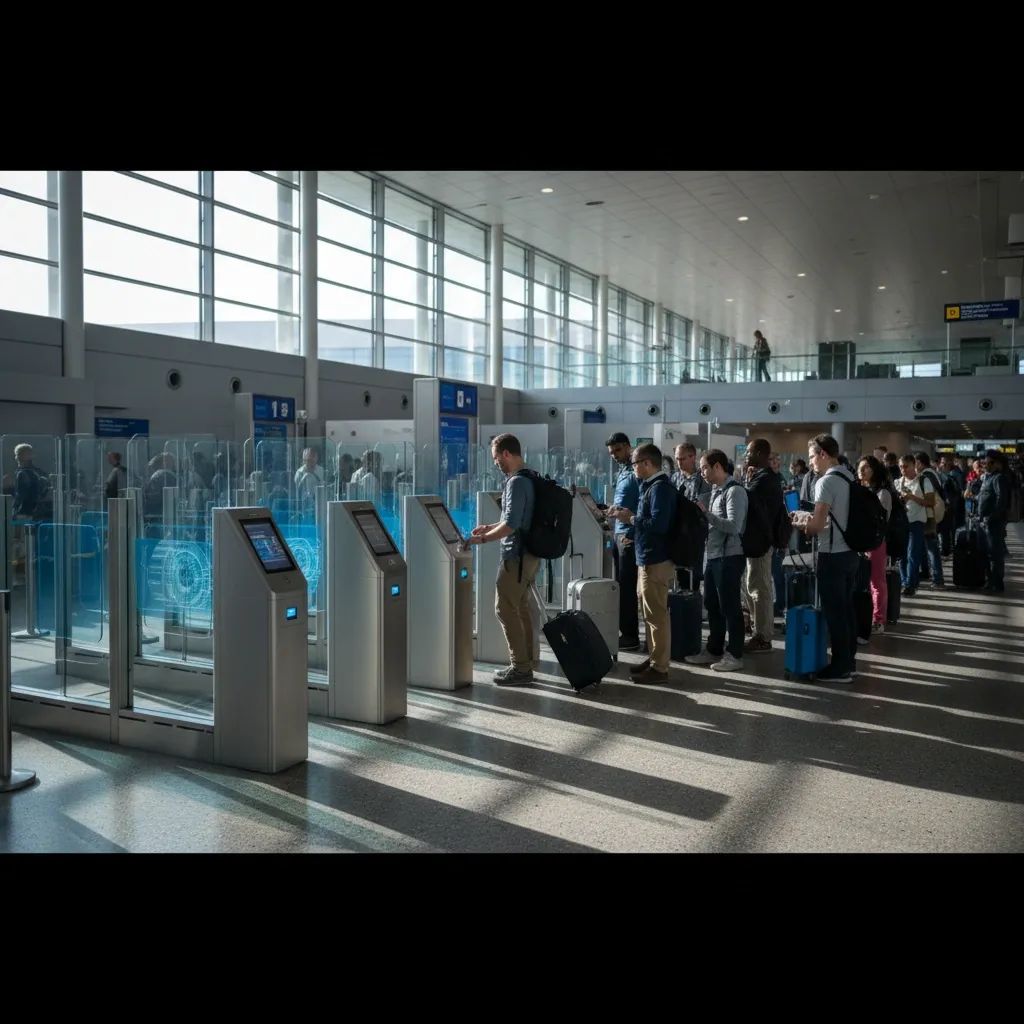
EasyJet Portugal is urging aviation authorities to adopt a more flexible approach to EU border control systems at Portuguese airports, warning that the current rigid enforcement of biometric checks could drive tourists away from the Algarve if queues spiral out of control during the peak summer months.
Why This Matters
• Processing times have tripled: What took 1 minute under the old system now takes 3 minutes per passenger under the Entry/Exit System (EES).
• Flight disruptions risk: Passengers have already missed connections after waiting up to 3 hours at border control.
• Tourism economy at stake: The Algarve's reputation depends on smooth airport operations, with easyJet alone contributing €650M annually to the regional GDP.
• Temporary shutdowns possible: Portugal has the option to suspend biometric collection for up to 6 hours when congestion threatens to create chaos.
• Note for Residents: If you hold an EU passport or Portuguese residency card, you can use EU/EEA lanes and won't face EES processing delays.
The EES Bottleneck Reality
José Lopes, easyJet's Portugal director, made the case for operational pragmatism speaking at the airline's fifth anniversary celebration at Faro Airport in June 2026. Even with fully staffed passport control booths and functioning IT infrastructure, the mathematics of the new EU Entry/Exit System create an unavoidable bottleneck, he explained.
The Entry/Exit System (EES) requires facial scans and fingerprints from all non-EU travelers entering the Schengen zone. While the European Commission initially projected processing times of around 70 seconds per traveler, real-world implementation has consistently run longer—closer to 3 minutes per passenger according to easyJet's operational data.
For an airport like Faro, where more than 50% of summer arrivals come from the United Kingdom and other non-Schengen countries, the cumulative delay effect can be catastrophic. During the system's initial implementation phases, Lisbon Airport temporarily suspended EES operations after passengers faced waits exceeding several hours, causing missed connections and operational meltdowns.
Portugal's Middle-Ground Approach
Lopes praised Portugal's border authorities for taking what he called a "more balanced" stance compared to countries like Greece, which declined to implement the system during summer 2026 altogether, citing tourism's outsized importance to the national economy.
The Portuguese model allows for tactical flexibility: when queues begin to grow dangerously long, border control can temporarily revert to manual checks or suspend biometric collection for up to 6 hours. This emergency valve mechanism prevents the three-hour wait scenarios that Lopes warned could permanently damage the region's tourism reputation.
"These passengers don't come back," the easyJet director emphasized, referring to travelers who miss flights or endure excessive delays. The airline has observed that negative border control experiences translate directly into booking behavior—travelers who suffer through chaotic arrivals often choose alternative destinations the following year.
Portugal has deployed self-service kiosks at major airports and joined the Frontex-developed "Travel to Europe" mobile app program, which allows passengers to pre-register their biometric data before travel.
What This Means for Algarve Travelers
If you're flying through Faro Airport this summer, the operational picture is mixed but improving. Recent reports indicate that EES machines are functioning correctly at Faro, and wait times have normalized compared to the initial launch period. However, the structural reality remains: processing non-EU passengers simply takes longer now.
Travelers from the UK, Switzerland, and other non-Schengen countries should build in extra buffer time—at least 90 minutes before connecting flights if arriving internationally. Real-time wait monitoring via platforms like FlightQueue can help you gauge current conditions before heading to the airport.
The ETIAS authorization system, which will require pre-travel online registration for visa-exempt travelers, is expected to launch later in 2026. Once operational, this authorization should actually streamline airport processing by shifting some verification work to the pre-departure phase.
EasyJet's Algarve Footprint
The airline marked a significant milestone this week, celebrating five years of operations at its Faro base. The numbers underscore easyJet's role as a critical economic engine for the region: €650M in annual GDP contribution from current operations, and more than €8.3 billion in cumulative economic impact since the airline first launched Algarve service 27 years ago.
For summer 2026, easyJet operates 9 aircraft serving the region—4 based permanently at Faro and 5 on regular rotation. The airline has deployed 1.7M seats for the season, a 3% increase over 2025, across 18 routes connecting the Algarve to the UK, France, Netherlands, and Switzerland. A new Faro-Newcastle route launched in March 2026 targets the underserved northeast England market.
Winter operations scale down significantly, with only the 5 non-based aircraft continuing service. This seasonal cliff is precisely what easyJet aims to tackle over the next five years.
The Desazonalização Challenge
Lopes outlined the airline's medium-term priority: "flatten the seasonality curve" by building economically viable winter traffic. The Algarve's mild winters offer natural appeal, but developing year-round demand requires coordination with regional tourism boards, hotels, and Turismo do Algarve to create compelling off-season packages.
EasyJet Holidays has launched winter packages featuring beach and city breaks with free child seats and early booking access. Flights for spring 2027 are already bookable, signaling the airline's confidence in sustained demand.
The company has created 150 direct jobs in Portugal, with room for expansion if winter operations scale up. Lopes emphasized that adding even one or two based aircraft for winter service would require demonstrable demand—a collaborative effort between airlines, accommodation providers, and regional marketing bodies.
The Broader Border Control Debate
EasyJet's call for flexibility reflects growing tension between security imperatives and tourism economics across southern Europe. The EES system was designed to combat visa overstays, identity fraud, and irregular migration by creating a comprehensive digital record of all Schengen entries and exits.
But implementation has exposed infrastructure gaps. Portuguese airports, designed for faster manual checks, lack the physical space and staffing to process biometric data at scale without creating bottlenecks. The Portugal Royal Police (PSP), which manages border control, has added booths and e-gates, but the fundamental processing time per passenger cannot be compressed much further given the technology requirements.
Industry associations like ANAV (Portugal's national travel agency association) have warned that inadequate border infrastructure could undermine the country's tourism competitiveness, particularly as Spain, Greece, and other Mediterranean competitors grapple with the same challenges.
The coming summer will serve as the first full-season stress test of Portugal's border control model under EES. If queues remain manageable through July and August—traditionally the most congested months—the flexible suspension mechanism may prove sufficient. If not, pressure will mount for more permanent adjustments or infrastructure investment to handle the new normal of biometric border security.


