Belgium is set to abandon nearly a century of free highway travel, introducing a mandatory electronic vignette system for passenger vehicles starting May 1, 2027—a shift that introduces new costs for Portuguese travelers, expats, and freight companies who regularly transit through the country.
Why This Matters
• Cost of passage: Annual vignettes will range from €90 for zero-emission vehicles to €125 for combustion-engine cars; short-term passes (1 day, 10 days, 2 months) will cost €10–€20.
• Registration required: All vehicles must be registered in the system; enforcement via automatic license plate recognition cameras will levy €70 fines for violators.
• Context: Belgium receives millions of foreign vehicles annually that currently contribute nothing to road upkeep, a burden borne entirely by Belgian taxpayers.
A Funding Model Decades in the Making
Belgium has long been an outlier in Western Europe, operating one of the continent's few entirely free highway networks for passenger cars. That anomaly ends in 2027, when the Belgian federal government and its three regional authorities—Flanders, Wallonia, and Brussels-Capital—roll out a unified electronic tolling regime for all vehicles under 3.5 tonnes.
The rationale is straightforward, according to François Desquenes, Transport Minister for the Wallonia region: "All those who use our roads must contribute fairly to their maintenance." Currently, only heavy goods vehicles above 3.5 tonnes pay a per-kilometer charge under the Viapass system, which has been operational since April 2016.
The new vignette system mirrors frameworks already in place in Austria, Switzerland, the Czech Republic, Slovakia, Slovenia, Hungary, Romania, and Bulgaria, where drivers purchase time-based passes rather than paying per kilometer. Unlike distance-based tolling—common in Portugal, Spain, France, and Italy—the Belgian model charges a flat fee for unlimited highway access during the validity period.
How the System Works
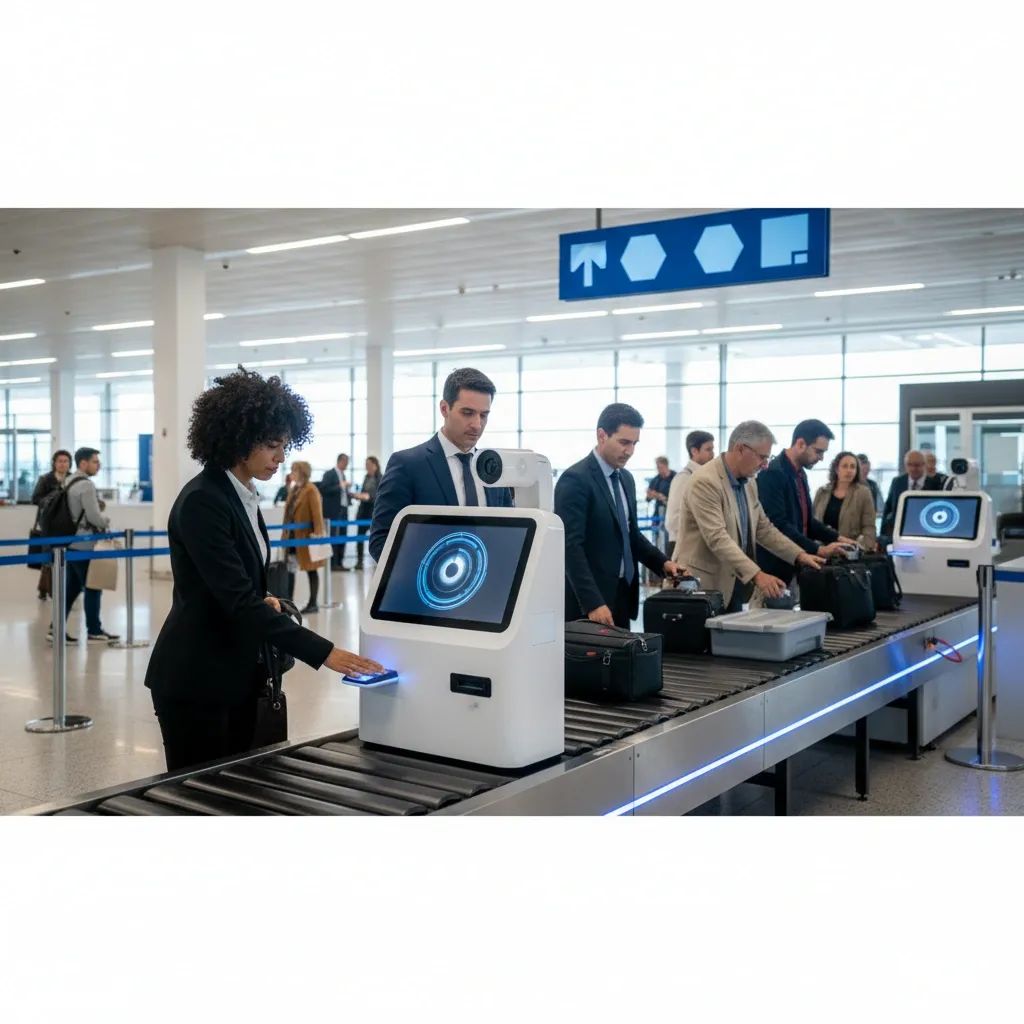
The Belgium Ministry of Mobility and Public Works will implement a fully digital platform. No windshield stickers will be required; instead, automatic number plate recognition (ANPR) cameras at highway entry points and roving patrols will cross-reference registrations against a central database.
Pricing tiers reflect environmental policy goals. Zero-emission vehicles will pay the lowest annual rate at €90, while vehicles with higher CO₂ footprints face the maximum €125 charge. This €35 differential is designed to accelerate fleet modernization, particularly among rental car agencies and corporate fleets.
For occasional users—Portuguese holidaymakers driving to northern Europe, or freight drivers making spot deliveries—short-duration passes will be available. A 1-day vignette is expected to cost around €10–€15, with 10-day and 2-month options also available, though final pricing awaits European Commission approval under state aid regulations.
Motorcycles, emergency vehicles, military convoys, buses, tractors, and heavy goods vehicles already enrolled in the Viapass kilometer-based system will be exempt. Police and customs vehicles are also excluded.
What This Means for Portuguese Residents
For Portuguese expats living in Belgium, the government has promised offsetting tax reductions to neutralize the new charge. However, non-resident Portuguese travelers and commercial operators will bear the full cost without compensation.
Transit drivers hauling goods from Portugal to the Netherlands, Germany, or Scandinavia face a new layer of compliance. Currently, a round trip from Lisbon to Amsterdam involves tolls in Portugal and France but free transit through Belgium. After May 2027, that route will require either a 2-month vignette or multiple single-day passes, adding significant logistics costs per vehicle annually.
Tourism budgets will also absorb the impact. Portuguese families driving to summer destinations in Germany or Denmark—a popular route via the E40 and E411 highways through Belgium—must now factor in vignette costs on top of fuel, accommodation, and French péage tolls. A family of four making two annual trips could face an additional €20–€40 in Belgian road fees.
The €70 penalty for non-compliance is steep relative to the vignette cost, and enforcement will be automated. Unlike traditional toll booths, where drivers receive immediate feedback, ANPR systems issue fines weeks later, often with administrative surcharges for cross-border collection. Portuguese drivers accustomed to Portugal's Via Verde or Spanish telepay systems will need to proactively register through Belgium's platform before entering the country.
Revenue Allocation and Infrastructure Priorities
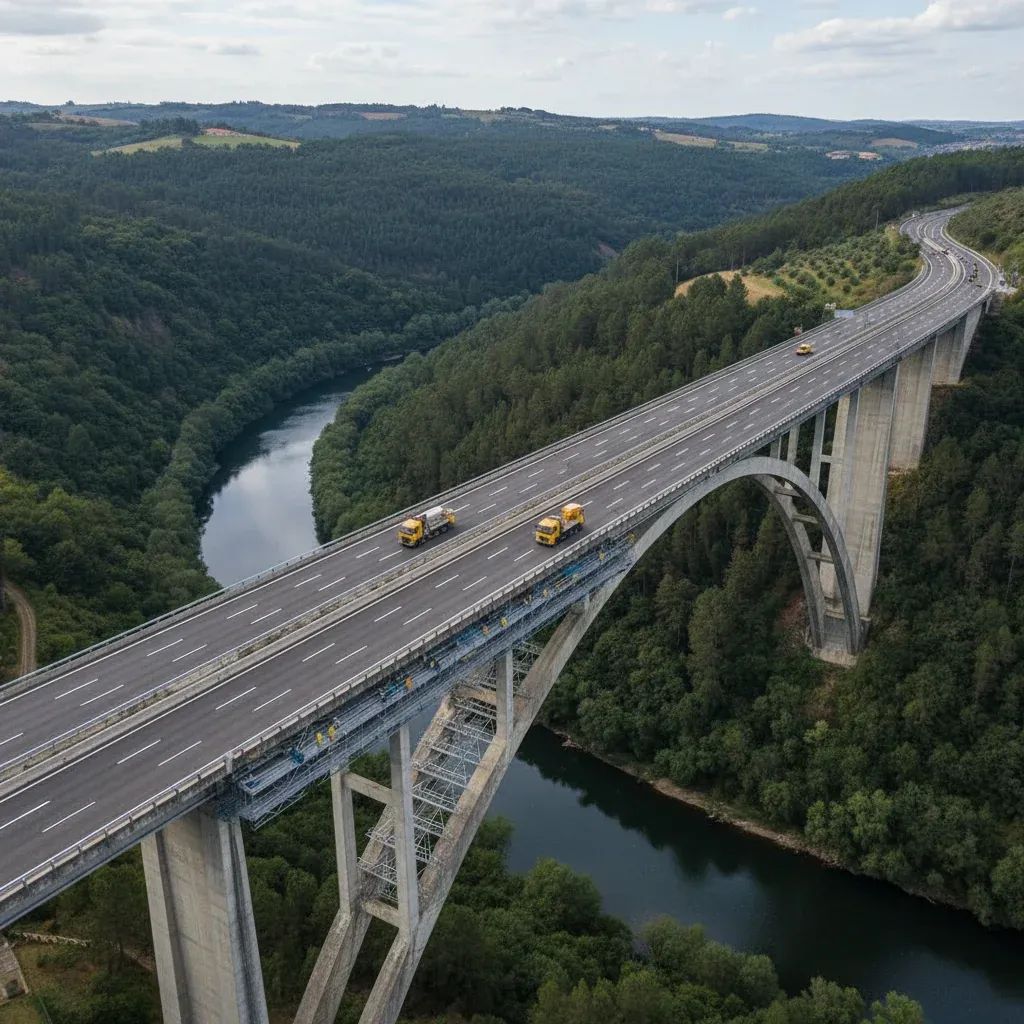
Belgium's highway network has deteriorated visibly over the past decade. The R0 ring road around Brussels, a critical artery connecting the capital to Zaventem Airport and the Port of Antwerp, is undergoing a multi-year reconstruction that includes pedestrian overpasses, cycling lanes, and green noise barriers—projects that require sustained funding beyond annual budgets.
Under the regional governance structure, Flanders, Wallonia, and Brussels-Capital each manage their own road networks. Vignette revenues will be divided proportionally based on kilometers of highway in each region, with Flanders receiving the largest share due to its extensive E-road network linking ports in Antwerp, Zeebrugge, and Ghent.
The shift also addresses a long-standing fiscal imbalance. Belgium sits at the geographic crossroads of Europe, hosting an estimated 1.2 billion vehicle-kilometers annually from foreign traffic—trucks and cars passing between France, the Netherlands, Germany, and the UK via the Channel Tunnel. Until now, Belgian taxpayers have subsidized this international flow. The vignette rebalances that equation, aligning Belgium with the "user pays" principle dominant across the EU.
European Tolling Landscape: Where Belgium Fits
Belgium's model positions it between two extremes. Austria's "Pickerl" vignette system, operational since 1997, offers a useful comparison—Austrian annual vignettes currently cost €96.40, nearly identical to Belgium's proposed €90–€125 range. Austria also pioneered the digital vignette, eliminating physical stickers in 2022—a transition Belgium will replicate from day one. Meanwhile, Portugal operates one of Europe's most extensive per-kilometer tolling networks, managed by Brisa, Ascendi, and other concessionaires, where a Lisbon-to-Porto trip costs upwards of €20.
For Portuguese drivers, the vignette approach tends to favor high-frequency users. A Portuguese driver making 30 trips annually through Belgium would pay €125 for unlimited access—far cheaper than distance-based tolling at, say, €0.10 per kilometer, which would cost €375 for 3,750 km of cumulative travel.
What Happens Next
The vignette proposal still requires formal ratification by Belgium's Chamber of Representatives and clearance from the European Commission's Directorate-General for Mobility and Transport (DG MOVE). EU law permits member states to charge for road use, but pricing must not discriminate against foreign vehicles, and revenues must be transparently allocated to transport infrastructure.
Assuming approval by late 2026, the Belgium Roads Authority will launch a registration portal in early 2027. Drivers will enter license plate details, vehicle emission class, and payment information. Confirmation will be instant, with the system live-checking plates against the database in real time.
For Portuguese residents, the practical checklist is simple: if you plan to drive through Belgium after May 1, 2027, budget €10–€125 depending on trip frequency, register online before departure, and ensure your vehicle's emission classification is current to avoid overpaying. The €70 fine for non-compliance is automatic, and cross-border collection agreements mean it will reach Portugal.
Belgium's shift from free highways to paid access represents a broader European trend: as electric vehicles erode fuel tax revenues, governments are pivoting to direct road-use charges. Portugal has already begun this transition with electronic toll gantries on former SCUT highways. Belgium's vignette is the latest iteration—and likely not the last.