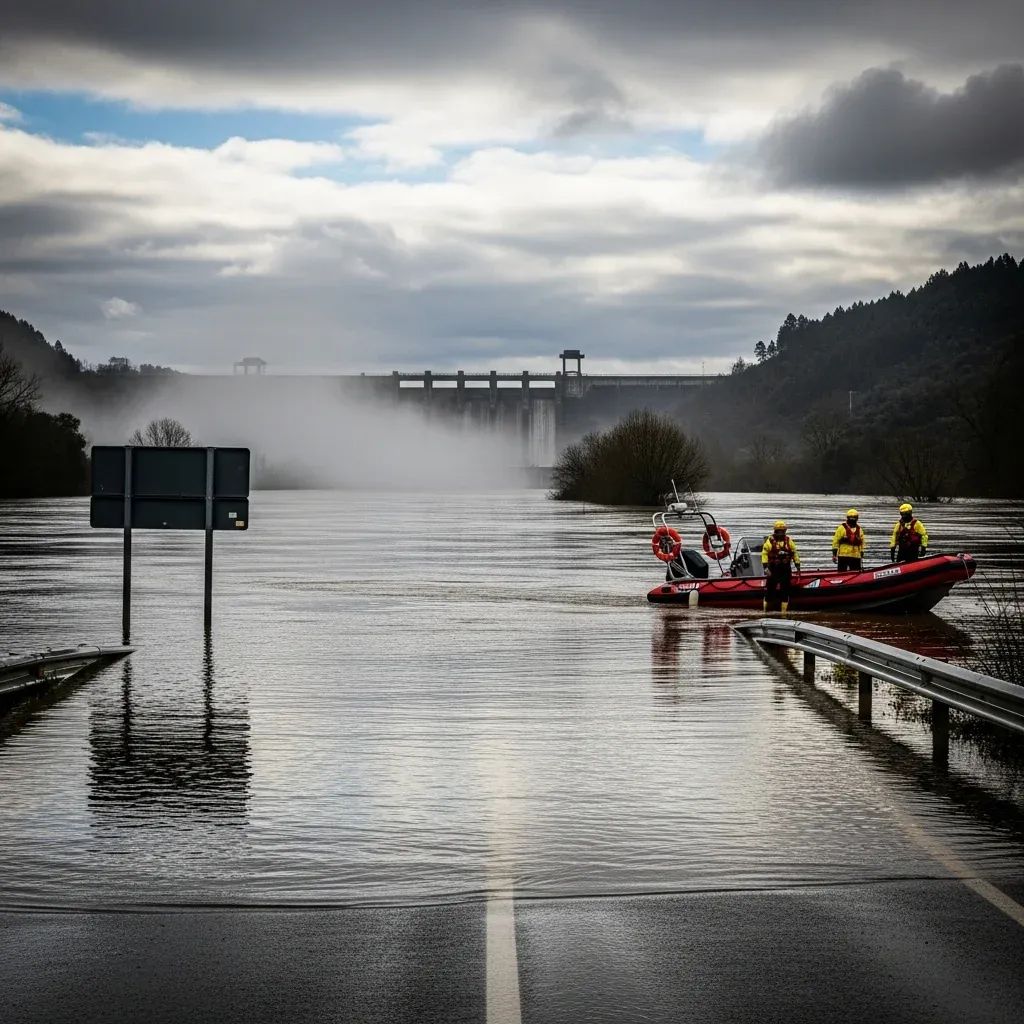
Portugal's marine rehabilitation centers encountered a severe operational challenge this winter as a cascade of Atlantic storms forced unprecedented numbers of injured seabirds through their doors—and the crisis revealed how quickly nature can overwhelm even dedicated conservation efforts.
Why This Matters
• Storm season flooded rehab centers with 50 animals in two weeks, versus the typical 4 arrivals per week, straining medical resources across facilities.
• Puffin survival rates hover near 25%, meaning most never recover after being pulled from violent seas.
• If you find stranded wildlife, call 112 immediately and request wildlife rescue—intervention timing dramatically improves survival odds.
When Storms Exceed Capacity
The severity of what unfolded became clear to Francisca Hilário, a veterinarian at CRAM-Ecomare (located in Olhão, in the Algarve region), when the facility began logging admissions rates that exceeded its normal expectations. From late January 2025 onward, as relentless Atlantic depressions battered Portugal's western coastline—particularly affecting the Algarve, West Coast, and Alentejo regions—the rehabilitation center's routine rhythm dissolved into crisis mode. A typical week might welcome four marine animals requiring care. During the peak of the storm surge, the center received fifty.
The sheer volume exposed the fragility of rehabilitation infrastructure designed for steady-state operations, not climate-driven emergency surges. Medical teams worked through rapid patient intake and triage, knowing that each hour delayed reduced survival prospects. Most arriving seabirds exhibited hypothermia, severe malnutrition, and exhaustion from prolonged struggle against treacherous seas.
What made this winter's event particularly taxing was not merely the absolute numbers but the concentration. Clustered admissions within a 14-day window meant no breathing room for the facility to process one cohort before the next shipment arrived. This temporal bunching—rather than the steady distribution across weeks—created genuine logistical pressure on staff, medical supplies, and available enclosure space.
The Puffin Crisis
Among the dozens of waterlogged seabirds delivered to CRAM-Ecomare's receiving bay, puffins represented the most vulnerable arrivals. These compact diving birds, which transit Portuguese waters during winter migration, proved particularly susceptible to the conditions that spawned the rehabilitation surge. Their physiology and behavioral ecology made recovery extraordinarily difficult.
The statistics were sobering: approximately 75% of admitted puffins did not survive rehabilitation, with most deaths occurring in the first 24 hours after arrival. Hilário described the pattern with clinical precision—birds arrived in what she termed "very critical condition," their small bodies depleted of energy reserves and their systems already sliding toward failure. By the time veterinarians began assessment procedures, irreversible cascade reactions had already initiated.
The challenge lay partly in puffin biology itself. These birds depend on sustained diving to capture small fish and marine invertebrates—an activity impossible during storms when surface conditions become lethal. Prolonged rough seas meant extended fasting periods, and puffins, unlike some resilient seabirds, cannot sustain prolonged nutritional deprivation without rapid physiological deterioration. Each day of being unable to hunt further weakened them for potential recovery.
When rescue teams retrieved these birds from beaches, veterinarians often found themselves unable to determine precise cause of death even after internal examination. The cascade of stressors—cold exposure, hunger, exhaustion, electrolyte imbalance—created a complex failure that resisted simple diagnosis. By the time animals reached the facility, their systems had often progressed too far for intervention.
A Recurrent Winter Pattern
Portugal's marine rehabilitation community recognized the scenario because it had unfolded before. In January 2023, a nearly identical surge occurred when Atlantic storms drove substantial numbers of seabirds ashore along the same coastline. Hilário recalled that precedent precisely because it established something concerning: this was not a freak occurrence but an apparent seasonal regularity.
The winters when such surges occur align with migratory timing. North Atlantic seabird populations transit Portuguese waters during months when the seasonal storm corridor activates. The confluence creates a vulnerable window when thousands of migrating birds encounter the very weather conditions most likely to overwhelm their energy budgets and force them landward. Coastal residents from Porto to the Algarve should be particularly alert during these winter months.
While individual storms cannot be attributed to any particular climatic trend, the observable shift in Atlantic storm frequency and intensity occupies growing attention among marine ecologists monitoring Portuguese waters. Whether these events represent natural variability or a signal of broader pattern change remains a subject of ongoing scientific discussion—but for rehabilitation centers, the practical implication remained constant: prepare for periodic inundation beyond normal capacity.
Staging Recovery Within Constraints
The mechanics of rehabilitation followed a proven methodology despite the volume challenge. Upon arrival, the veterinary team performed immediate stabilization, halting hemorrhage, addressing critical hypothermia, and establishing baseline vital parameters. X-rays and laboratory analysis came next for animals deemed survivable past the first assessment threshold. Staff made difficult triage decisions: which animals received intensive intervention versus those where humane euthanasia represented the ethical choice.
Animals advancing into recovery entered structured rehabilitation protocols. The milestones for puffin recovery proved incremental: initial independent feeding behavior, then voluntary water contact, then graduated exposure to conditions mimicking their natural environment. Each behavioral progression signaled that neurological and physiological systems had sufficiently stabilized to justify continued resource investment. The process consumed weeks, not days, and success remained perpetually uncertain.
Timing for release depended on dual factors: individual animal readiness and environmental conditions. Staff monitored sea state forecasts alongside patient progress, seeking windows when favorable conditions aligned with medical clearance. Releasing a recovering puffin into a freshly active storm system would simply recreate the original crisis. Patience was essential.
What This Means for Residents
Portuguese residents who frequent coastal areas should understand that discovering stranded seabirds represents both an opportunity for intervention and a potential legal matter. Contact wildlife authorities immediately upon discovery: Call 112 and request wildlife rescue, or contact your local Guarda Nacional Republicana (GNR) post directly. Response time matters profoundly; animals rescued within hours of stranding show substantially better survival probability than those left unattended through the night.
Well-intentioned but unskilled intervention can actually reduce survival odds. Handling distressed wildlife introduces stress, risk of injury to the animal, and potential exposure for humans. The professional rehabilitation team has the knowledge, equipment, and legal authority to manage rescue properly. Your role is simply to report location and condition accurately, then step back.
Beyond the seasonal cycle of storm-driven rescues, the broader reality for residents is that marine rehabilitation depends on charitable donations and volunteer labor. Portugal operates several marine rehabilitation centers, including CRAM-Ecomare in Olhão and other regional facilities. To support these centers: Visit CRAM-Ecomare's website (cram-ecomare.org) for donation options or volunteer opportunities, or contact your regional environmental authority for other facilities near you. Supporting rehabilitation centers through financial contribution or volunteering strengthens capacity to absorb future surge events—whether this winter's storms represent a baseline new normal or a cyclical phenomenon remains to be determined.
The Difficult Calculus
The rehabilitation center's accomplishment this winter was substantial despite the high mortality rate. Against a baseline expectation of four weekly arrivals, staff processed and triaged fifty animals in fourteen days. Some survived. Some recovered enough for release. That outcome emerged from deliberate medical decisions, intensive labor, and difficult choices about resource allocation.
The alternative—no rehabilitation infrastructure at all—would have meant virtually no survivors. The 25% puffin survival rate, while statistically difficult to accept, still represents dozens of birds returned to ocean migration routes. From a population biology perspective, those releases matter, particularly for species already facing environmental pressures.
The deeper question Portugal confronts is whether this winter's crisis represents a one-time weather coincidence or a preview of new operational reality for marine rehabilitation. The answer will likely emerge across the next few years as winter storm patterns evolve and facilities gather additional data. For now, residents can simply ensure that stranded seabirds receive prompt, professional attention by knowing whom to contact and why speed matters.