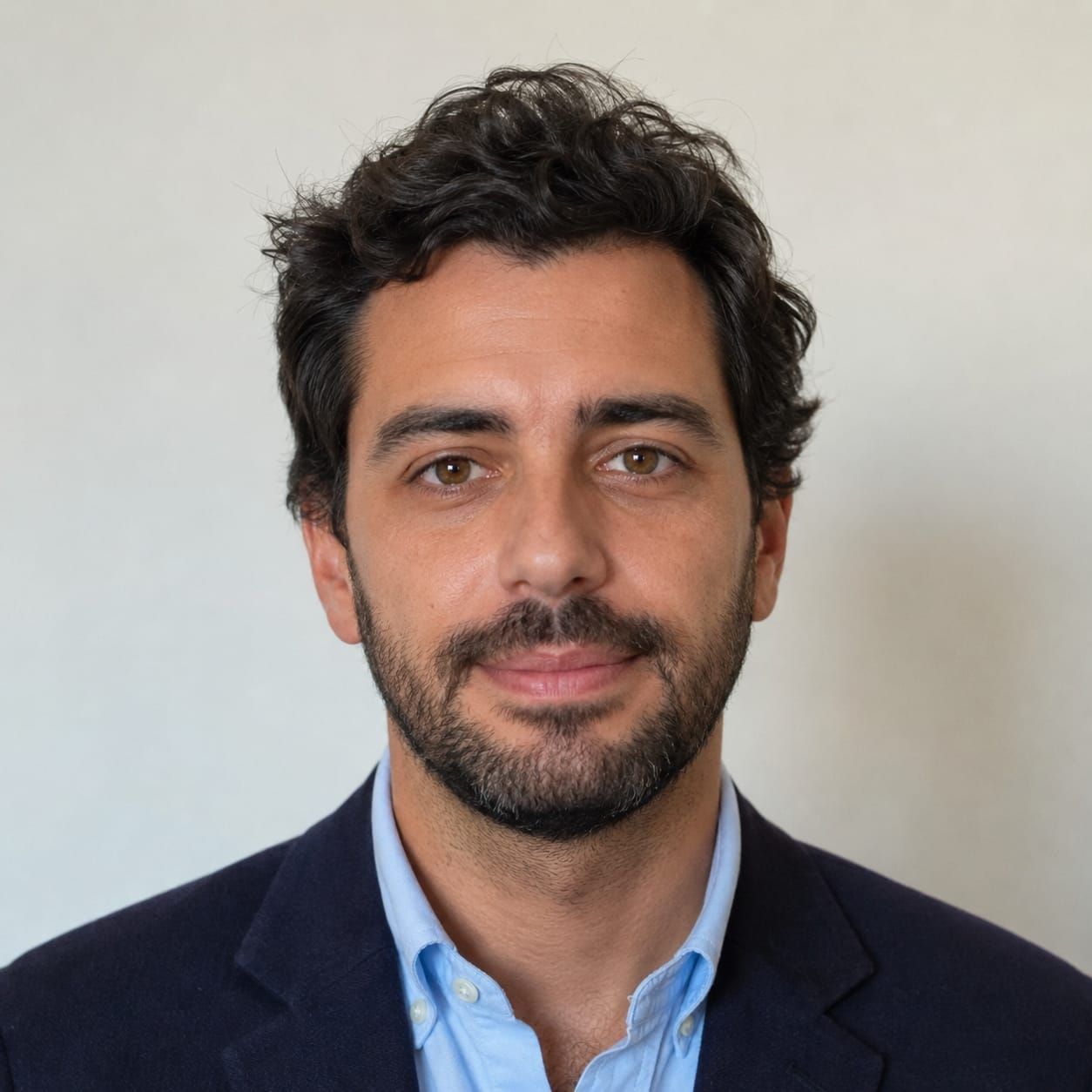

Portugal's national football manager Roberto Martínez has laid out his vision for the country's World Cup campaign, addressing squad selections and the role Cristiano Ronaldo will play at age 41 in what is expected to be his final appearance on football's biggest stage.
Speaking about Portugal's 2026 World Cup campaign, Martínez discussed his strategic thinking and emphasized that Portugal has the talent to compete at the 2026 World Cup, which kicks off in mid-June across the United States, Canada, and Mexico.
Why This Matters
• FIFA squad rules: Final squads are capped at 26 players for the tournament.
• Ronaldo's sixth World Cup: At 41 years old, Cristiano Ronaldo is set to compete in his sixth World Cup.
• Portugal's opening match: The national team faces their first Group K fixture in mid-June.
The Ronaldo Question: Leadership and Competition
Martínez made it clear that while Cristiano Ronaldo remains captain, the Al Nassr striker will face competitive pressure like every other player in the squad. The Spanish-born manager emphasized that Ronaldo's leadership remains valuable for the team dynamic and maintaining standards.
Ronaldo remains Portugal's top scorer under Martínez, a testament to his enduring quality. Yet the manager's public statements signal that this World Cup will demand collective resilience and tactical discipline throughout the tournament.
Squad Selection and Tactical Approach
Martínez has selected a squad combining elite European club talent with emerging stars. Rúben Dias and Gonçalo Inácio anchor the defense, while Nuno Mendes is regarded as one of the world's finest left-backs. The midfield—Bruno Fernandes, Vitinha, João Neves, Bernardo Silva—offers creativity and control.
Up front, Rafael Leão, João Félix, Francisco Conceição, and Gonçalo Ramos provide pace and tactical options. Martínez stressed that tactical discipline will be essential alongside individual quality.
What This Means for Residents
For football fans across Portugal, the World Cup offers a rare convergence of national pride and global attention. Matches will be broadcast during European evening and late-night hours due to time zone differences with North America, meaning bars, cafés, and public viewing spaces across Lisbon, Porto, and beyond will likely see packed crowds.
The economic impact is tangible. Portuguese retailers have already reported surging sales of national team jerseys and merchandise, while tourism operators are preparing for an influx of visitors during the tournament window. Portugal's 2016 European Championship victory sparked celebrations that lasted days; a deep World Cup run would carry similar national significance.
The Road to the Final
Portugal enters the tournament as one of the contenders, with squad depth that reflects significant investment in player development. The Group K draw presents both opportunities and challenges, with the expanded 48-team format introducing new variables: more travel, tighter turnarounds, and potentially facing major powers at different tournament stages.
The ultimate goal is reaching the final in July. For Martínez, it represents a significant challenge for his tenure. For Ronaldo, it's a final opportunity on football's biggest stage. For Portugal, it's a chance to compete for the nation's first World Cup title.