
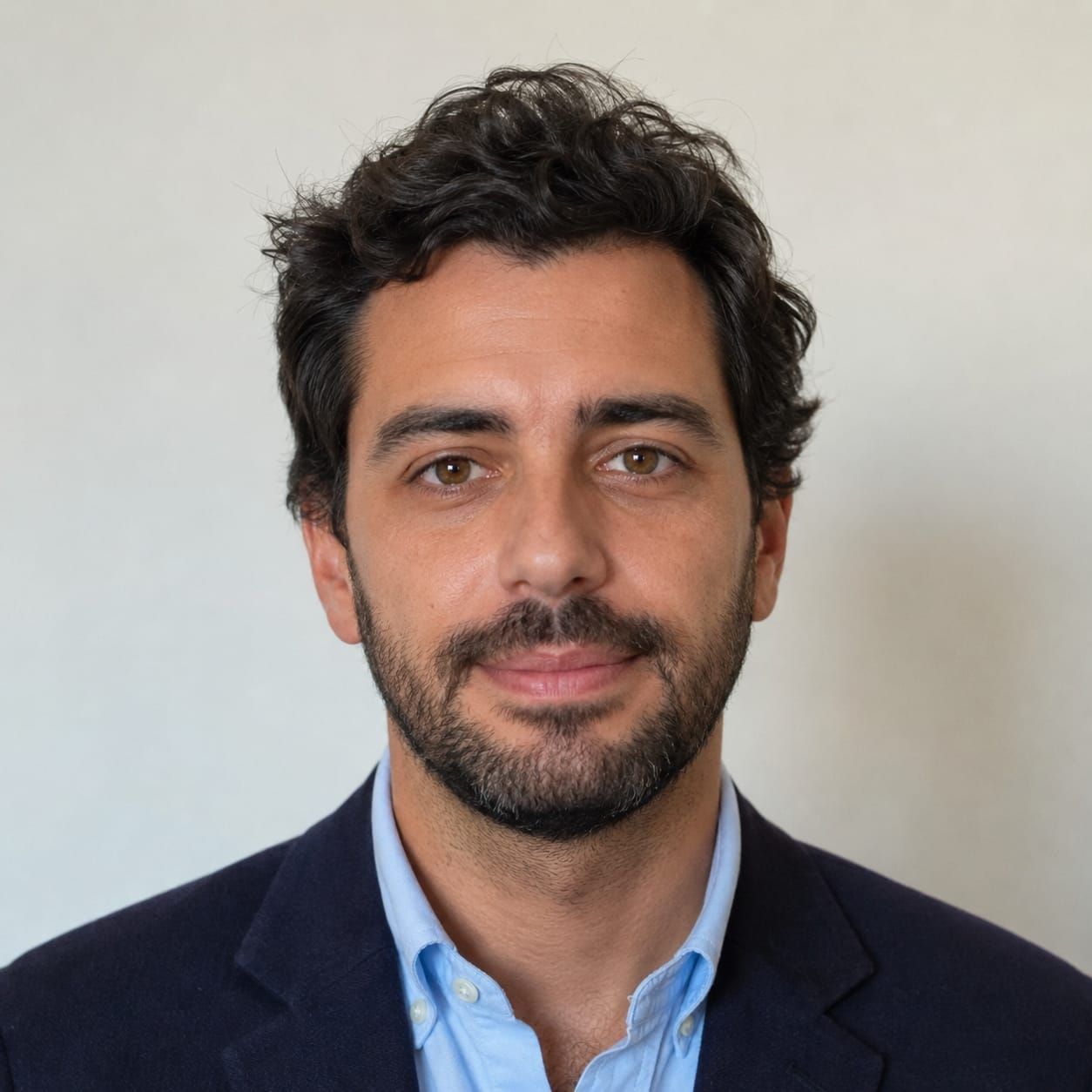

The Portugal Football Federation will see one of its referees officiate at a senior World Cup for the first time since 2014, as João Pinheiro has secured a spot among the 52 main referees assigned to the 2026 FIFA World Cup—ending a 12-year gap in Portuguese representation on football's biggest stage.
Why This Matters:
• Historical milestone: Pinheiro becomes the 9th Portuguese referee to officiate at a World Cup final phase, following Pedro Proença's participation in Brazil 2014.
• Elite recognition: Promoted to UEFA's Elite category in December 2024, Pinheiro joins the top tier of global officiating.
• National pride restored: Portugal had no main referee at the 2018 or 2022 tournaments, only video assistant referees (VAR) in Russia.
• Expanded tournament: The 2026 edition features 48 nations and 104 matches, the largest World Cup in history.
A 38-Year-Old Lawyer With an International Pedigree
Born January 4, 1988, in Vila Nova de Famalicão and registered with the Braga Football Association, Pinheiro has combined his legal career with steady ascent through refereeing ranks. He reached Portugal's first division in 2015, became a FIFA referee in 2016, and achieved Elite status nine years later—enabling him to officiate any match organized by FIFA or UEFA.
His 21 Champions League appearances underscore his credentials at Europe's elite club competition level. He also refereed the 2025 UEFA Super Cup, where Paris Saint-Germain defeated Tottenham on penalties. Domestically, Pinheiro has handled high-tension derbies, including the Sporting v Benfica clash in April 2026.
He will be accompanied in the United States, Canada, and Mexico by assistant referees Bruno Jesus and Luciano Maia, forming Portugal's three-member on-field team for the tournament. Notably, Portugal will not have a VAR representative, a departure from 2018 when Artur Soares Dias and Tiago Martins traveled to Russia in video-review roles.
What This Means for Portuguese Football
Pinheiro's selection reflects well on the quality and standing of Portuguese refereeing infrastructure, which former international referee Olegário Benquerença praised as recognition from FIFA and UEFA. For a country that prides itself on technical football excellence, having a referee at the World Cup reinforces Portugal's role in shaping the global game—not just through players, but through match officials.
His presence also offers a reputational boost at a time when Portuguese football seeks to maintain its influence within European and international governing bodies. Pedro Proença, who himself officiated at the 2014 World Cup, now leads the Portuguese Football Federation, creating a symbolic handover from one generation of elite referees to the next.
Training Under Pressure: New Laws, Short Preparation
Pinheiro and his peers face an unusually compressed preparation window. FIFA's 10-day pre-tournament seminar in Miami, beginning May 31, will introduce referees to rule changes approved by the International Football Association Board (IFAB)—including measures to reduce time-wasting, stricter protocols on substitution delays, and revised VAR procedures for attacking infringements during set pieces.
In public remarks, Pinheiro acknowledged the challenge: referees will have minimal time to absorb the novelties, with full clarity only arriving on May 31. This tight schedule places added pressure on officials who must synchronize their interpretation of laws across 50 member associations and six confederations, all within a single tournament framework.
FIFA's preparation regime includes video analysis sessions focused on positioning, game reading, handball interpretation, penalty-area control, and tactical awareness. Referees also receive support from physical trainers, physiotherapists, and a mental-health specialist—a recognition of the psychological toll inherent in officiating matches watched by billions.
A Lineage of Portuguese World Cup Referees
Pinheiro inherits a distinguished legacy. Vieira Costa became the first Portuguese referee at a World Cup in 1954 in Switzerland, overseeing West Germany's 4–1 win over Turkey. Since then, eight Portuguese officials have followed:
• Joaquim Campos (1958, 1966)
• Saldanha Ribeiro (1970)
• António Garrido (1978, 1982)—the first Portuguese referee to officiate multiple matches in a single edition, including the third-place playoff in Spain
• Carlos Valente (1986, 1990)—reached the quarter-finals in Italy 1990
• Vítor Pereira (1998, 2002)—officiated round-of-16 matches in both tournaments
• Olegário Benquerença (2010)—handled three matches in South Africa, including a quarter-final
• Pedro Proença (2014)—officiated three games, culminating in a round-of-16 clash
No Portuguese referee has yet officiated a World Cup semi-final or final, though Garrido came closest with his third-place assignment in 1982. Pinheiro's performance in the group stage will determine whether he advances to the knockout rounds—a progression that depends on FIFA observer ratings and the political sensitivities of major footballing nations.
Expectations and Challenges Ahead
Despite his experience at youth World Cups (U-17 in 2023, U-20 in 2025) and the U-21 European Championship in 2023, this will be Pinheiro's debut as a main referee at a senior World Cup. The scale of the tournament—12 cities across three countries—and the intensity of media scrutiny represent a step change from club competition.
He enters the tournament as one of the youngest officials selected, at 38, and will need to navigate the unique pressures of refereeing matches involving footballing superpowers, many of whom bring fervent fanbases and intense domestic expectations. His assignments will be closely watched in Portugal, where domestic refereeing controversies often dominate sports headlines.
Former referee Benquerença expressed confidence that Pinheiro "will not embarrass us," a cautiously optimistic endorsement that reflects both pride and the weight of expectation on his shoulders.
Impact on Expats and Residents
For Portuguese expatriates in North America and fans planning to attend matches, Pinheiro's participation adds a layer of national connection to the tournament. His assignments—yet to be announced by FIFA—may include Portugal's Group K fixtures against the Democratic Republic of Congo, Colombia, and Uzbekistan, though FIFA typically avoids assigning referees to matches involving their home nations to maintain impartiality.
Residents interested in officiating, sports governance, or the mechanics of elite competition will find Pinheiro's journey instructive: his dual career as a lawyer and referee exemplifies the professionalization of sports officiating, where technical expertise, physical fitness, and psychological resilience converge.
Portugal's broader football ecosystem—from grassroots academies to professional leagues—benefits indirectly from such high-profile representation, reinforcing the country's status as a football hub and potentially attracting future investment in referee development programs.
With the tournament kicking off Thursday and running through July 19, Portuguese fans will follow Pinheiro's progress with the same intensity they reserve for the national team—hoping he navigates the world's most demanding stage with precision, composure, and a touch of Iberian flair.


