
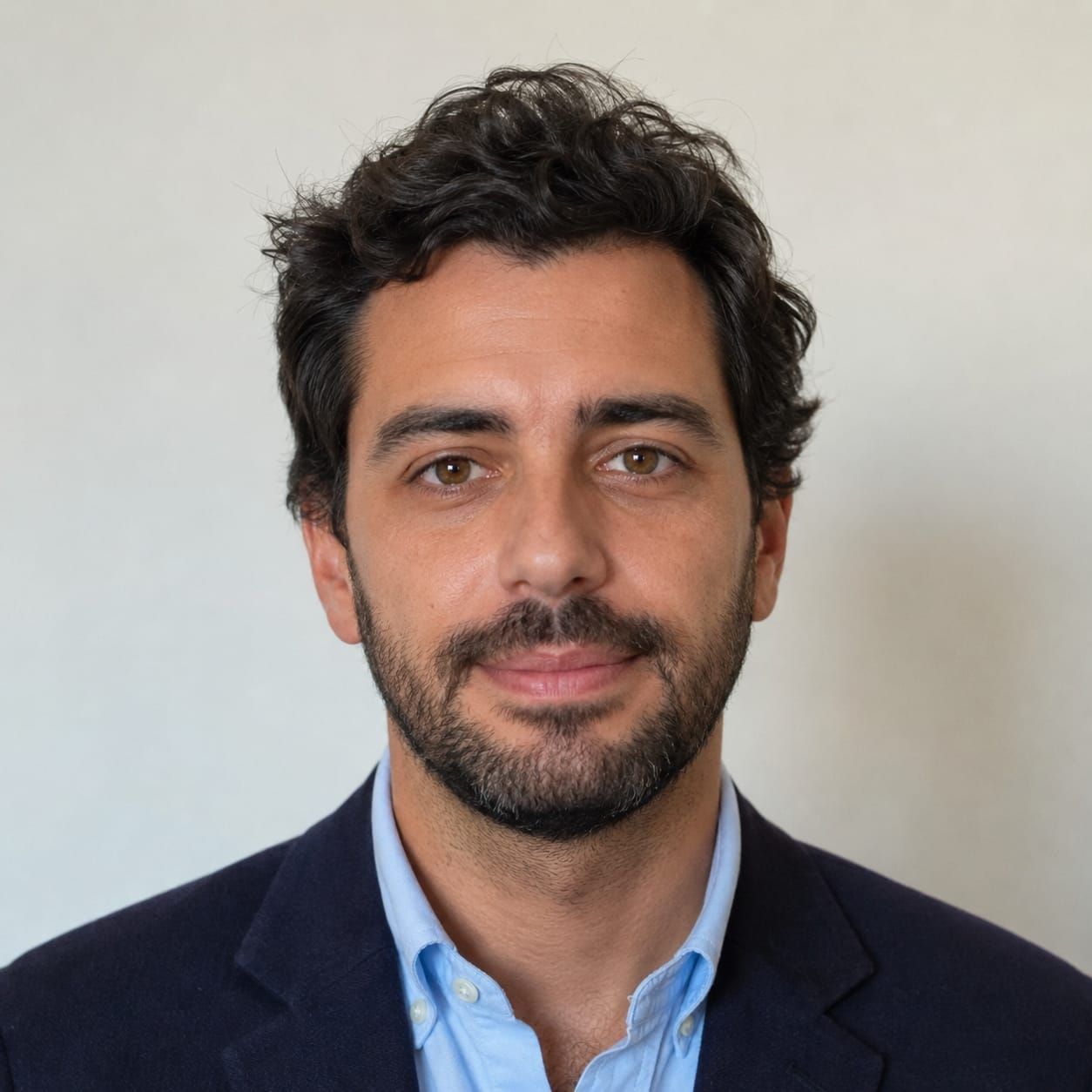

Portuguese coach Vítor Bruno has officially signed a two-year contract with Belgian club RSC Anderlecht, marking his first international head coaching position since departing Porto in January 2025 after a turbulent seven-month tenure that saw him replaced mid-season. The appointment represents a fresh start for the 43-year-old tactician, who spent more than a decade working in the shadow of Sérgio Conceição before a controversial promotion—and an equally contentious exit—from one of Portugal's most demanding dugouts.
Why This Matters
• Portuguese coaching presence abroad: Vítor Bruno joins a growing list of Portuguese tacticians working at high-profile European clubs, reinforcing the country's reputation for producing astute football minds.
• Anderlecht rebuild: The Belgian giant is undertaking a significant reconstruction following managerial instability in the 2025-26 season, making this a high-stakes project with immediate pressure.
• Broken bond: The appointment comes amid unresolved tension between Bruno and his former mentor Sérgio Conceição, who remains without a club after a short-lived stint in Saudi Arabia.
From Porto Pressure Cooker to Belgian Reboot
Vítor Bruno's appointment at Anderlecht was formalized on June 23, 2026, ending a five-month hiatus since his unceremonious departure from FC Porto. The Portugal-based club had promoted Bruno in June 2024 as the successor to Conceição, with whom he had worked for 12 years across six clubs. But the transition was anything but smooth. Bruno managed 29 matches as Porto's head coach, posting 18 wins, 3 draws, and 8 defeats—a respectable record on paper, but one overshadowed by poor sporting results and mounting internal pressure.
His tenure began with a flourish: a 4-3 victory over Sporting CP in the Portuguese Super Cup. Yet by mid-January 2025, following poor results in the Portuguese league, Bruno was dismissed. His 1.97 points-per-game average in the Primeira Liga was later analyzed as marginally superior to that of his successor, Argentine coach Martín Anselmi, but the damage to his reputation had already been done.
Bruno's tactical approach at Porto favored a 4-2-3-1 or 4-3-3 formation, with central defenders holding deep while fullbacks pushed high to provide width. His midfielders were deployed in varied roles to break opposition pressing lines, creating numerical superiority in transition. It was a style built on intense pressing, rapid counter-attacks, and exploiting space behind opposition fullbacks with inverted wingers—hallmarks of the Conceição era that Bruno sought to refine.
The Anderlecht Challenge: Expectations and Rebuilding
Anderlecht's 2025-26 season was marked by significant managerial instability. The club cycled through multiple coaches: Besnik Hasi was dismissed in February 2026, Edward Still departed shortly thereafter, and Jérémy Taravel served as caretaker to finish the campaign. This period of uncertainty has set the stage for Bruno's appointment as a fresh start.
Antoine Sibierski, Anderlecht's sporting director, framed the Bruno appointment as a strategic pivot toward "modern, attractive, and dominant football." In a club statement, Sibierski highlighted Bruno's "demanding mentality, winning mindset, and work ethic," as well as his experience at a "top-level European club" and his commitment to "developing young talent from the academy." The latter point is critical: Anderlecht's long-term model hinges on homegrown players and smart recruitment, not lavish spending.
Bruno will work with the existing squad at Anderlecht, which includes defensive players Zoumana Keita, Lucas Hey, Ludwig Augustinsson, and Ilay Camara, among others. Whether this group can execute Bruno's high-intensity system remains an open question. The immediate priority will be assessing the squad's composition and implementing tactical adjustments ahead of the new season.
Impact on Portuguese Coaching Abroad
Vítor Bruno's move to Belgium carries symbolic weight for Portuguese football exports. Over the past two decades, Portuguese coaches have established themselves as among the most sought-after in Europe, with José Mourinho, André Villas-Boas, Marco Silva, and Bruno Lage all leading clubs in major leagues. Bruno's Anderlecht appointment—his first solo venture outside Portugal—adds another chapter to this narrative, though he faces the added burden of proving he can succeed without Conceição's shadow.
Bruno is bringing a fully Portuguese support staff to Brussels. Assistants Vítor Gouveia and Nuno Piloto, both former members of the FC Porto coaching staff, will work alongside Taravel, who remains from the previous regime. Physical trainer Pedro Oliveira and goalkeeper coach Luís Ferreira complete the technical team. This continuity could help Bruno replicate the tactical discipline and intensity he honed at Porto, though cultural and linguistic adjustments will be inevitable.
The Sérgio Conceição Rift: Still Unresolved
The backdrop to Bruno's new chapter is the unresolved rupture with Conceição. In a candid interview with Portuguese broadcaster TVI earlier this year, Conceição disclosed that he learned of Bruno's promotion to Porto's head coaching role indirectly—just days after the two had shared dinner with the rest of the technical staff. Conceição described the episode as "disloyal" and "lacking in elegance," though he stopped short of calling it betrayal outright. "I haven't spoken to Vítor Bruno since then, and I don't intend to," Conceição said flatly.
Conceição himself is now unemployed, having left Saudi Arabia's Al-Ittihad by mutual consent in late May 2026 after a disappointing campaign. His tenure with the club began in October 2025, and the stint ended without achieving the competitive targets expected at the Saudi club. Before that, Conceição had been at AC Milan earlier in 2025, with his continental ventures not yielding the expected results. Rumors now link him to Serie A clubs Lazio and Napoli for the 2026-27 campaign, though nothing has been confirmed.
The irony is stark: mentor and protégé, once inseparable across seven clubs and countless trophies, now navigate separate crises without the partnership that defined both their careers.
What This Means for Residents and Football Fans in Portugal
For Portuguese football observers, Bruno's Anderlecht project offers a litmus test. Can a coach groomed in the Portuguese school of tactical discipline and emotional intensity adapt to a different football culture, one where expectations are high but resources limited? Anderlecht, a 34-time Belgian champion, remains one of Europe's storied clubs, but its infrastructure and financial muscle pale in comparison to Porto's.
Portuguese expatriates in Belgium—particularly in Brussels, where Anderlecht is based—may find renewed interest in attending matches at the Lotto Park stadium. Season ticket sales and local media coverage are likely to spike as curiosity about the new Portuguese-led technical team grows. For those tracking coaching exports, Bruno's performance will be scrutinized as a referendum on whether Portugal's next generation of managers can thrive independently.
Looking Ahead: First Steps and Early Tests
Bruno's first official matches will come in July 2026, as Anderlecht begins pre-season preparations. The Belgian league typically kicks off in late July or early August, meaning Bruno will have limited time to implement his system and assess the squad. Early cup rounds and potential European qualifiers will provide crucial data on whether his intense, possession-oriented approach can translate across borders.
Success at Anderlecht would rehabilitate Bruno's reputation and open doors to larger projects. Failure, however, could relegate him to a longer stint in the coaching wilderness, a fate he shares with his estranged mentor. For now, the Belgian capital offers both a refuge and a proving ground—a chance to step out of the shadow and write his own story.


