
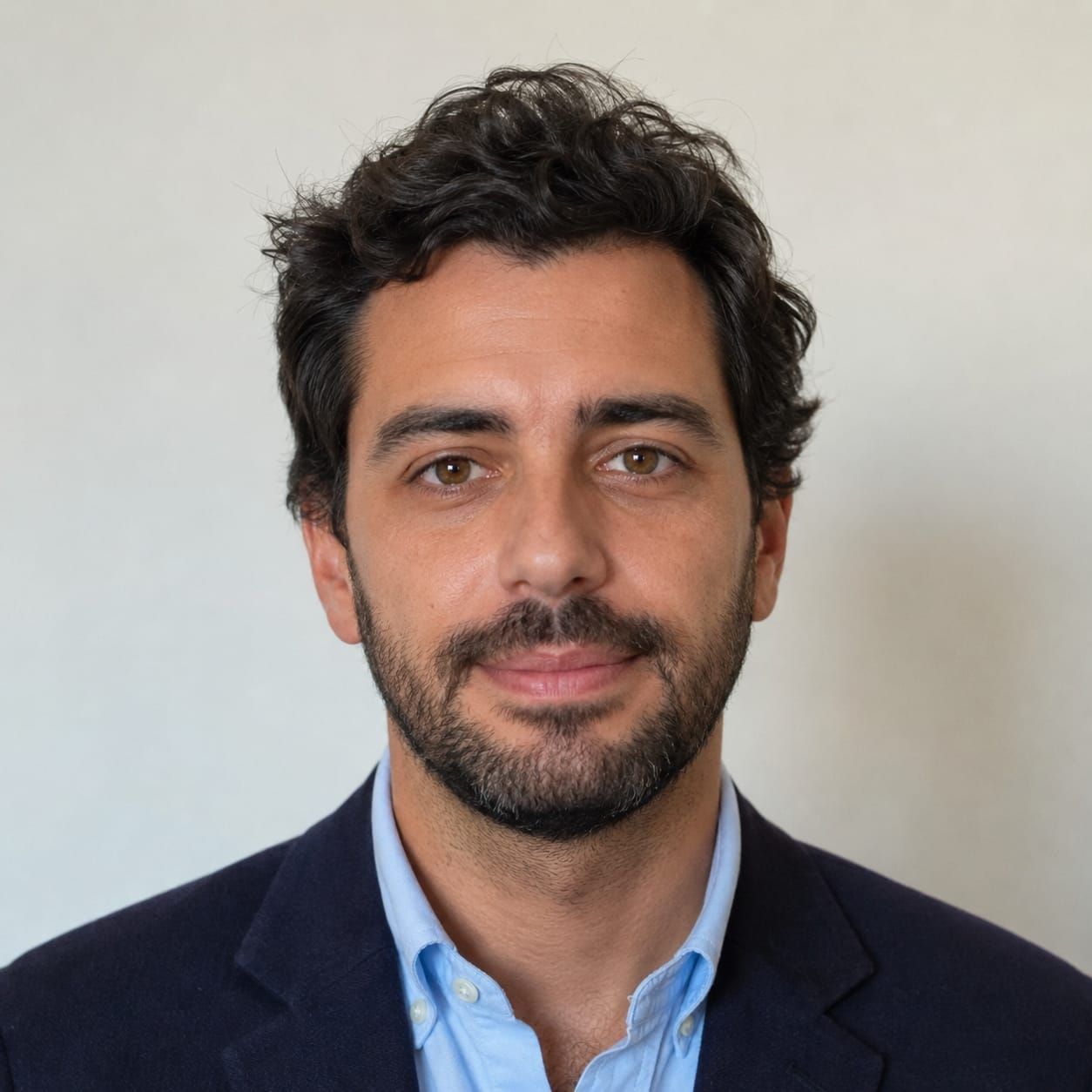

Portugal-born coach Nuno Campos has signed a two-season deal with Dinamo București, the Romanian first-division club announced on its official channels. The contract runs through June 30, 2028, marking another chapter in the growing Eastern European footprint of Portuguese tactical minds.
Campos, age 46, arrives from Zalaegerszeg (commonly known as ZTE) in Hungary, where he engineered the club's strongest campaign since its promotion to the top flight in 2019. His appointment signals Dinamo's intent to stabilize after a transitional 2025/26 season in which the club finished 4th in the Liga I playoffs and reached the semifinals of the Cupa României.
Why This Matters
• Portuguese coaching presence expands: Campos joins a growing roster of Portugal-linked managers working across Central and Eastern Europe, a region increasingly attractive for mid-career coaches seeking first-division opportunities.
• Dinamo's ambitions reset: The Bucharest side is positioning for UEFA Conference League qualification, making the managerial hire critical for 2026/27 planning.
• Fonseca protégés branch out: After twelve years as assistant to Paulo Fonseca, Campos is carving an independent path—his third head-coach role in five years.
From Fonseca's Shadow to Independent Command
Campos spent more than a decade in the shadow of Paulo Fonseca, serving as assistant from 2009 to 2021 across some of Europe's most competitive leagues. That journey included stints at FC Porto, Sporting de Braga, Shakhtar Donetsk, and AS Roma, collecting silverware along the way: a Taça de Portugal, a Supertaça de Portugal, multiple Ukrainian league titles, and a Ukrainian Cup.
But the transition to head coach has been gradual. Campos took his first solo assignment at Santa Clara in 2021. A more promising chapter followed at Tondela during the 2021/22 season. His work there demonstrated his ability to build competitive teams in challenging circumstances. After that experience, Campos landed in Hungary with ZTE.
His work there caught attention: ZTE claimed fifth place in the 2025/26 Nemzeti Bajnokság I (Hungarian top flight) and reached the Magyar Kupa final, narrowly losing 1-0 to Ferencváros. That performance—ZTE's best since returning to the elite—became his calling card for Dinamo's recruitment team.
What Dinamo Needs
Dinamo București is a storied name in Romanian football, but recent years have been turbulent. The club returned to the Liga I three seasons ago and has been rebuilding infrastructure, finances, and on-field consistency. The 2025/26 campaign yielded 17 wins, 14 draws, and 10 losses across 41 matches, averaging 1.59 points per game—a respectable tally for a playoff berth, but short of the elite tier dominated by CFR Cluj and FCSB.
The club's semi-final exit in the domestic cup and mid-table playoff finish suggest both potential and fragility. Campos inherits a squad as the club looks to strengthen ahead of the new season, with Conference League qualification as a realistic medium-term goal.
The Eastern European Route
Campos's move reflects a broader pattern: Portuguese coaches increasingly view Hungary, Romania, Poland, and neighboring leagues as viable career accelerators. These markets offer competitive salaries relative to domestic Portuguese clubs outside the "big three," while granting first-division experience essential for later moves to wealthier leagues.
Paulo Fonseca himself remains active in high-profile posts—currently managing Olympique Lyonnais on a contract through June 2027, surrounded by a largely Portuguese technical staff including Paulo Ferreira (assistant), António Ferreira (goalkeeping coach), and Paulo Mourão (fitness coach).
Campos is part of this diaspora, leveraging his apprenticeship under Fonseca to build credibility in mid-tier markets.
What This Means for Residents
For Portuguese nationals living or investing in Romania, Campos's appointment offers a tangible connection to home—and a potential bellwether for how Portuguese football expertise is valued in the region. Football remains a powerful cultural bridge in Central and Eastern Europe, and Portuguese coaches are increasingly seen as disciplined, tactically flexible, and capable of overperforming with limited budgets.
If Campos succeeds in Bucharest, expect more Portuguese technical staff, scouting partnerships, and even player loans between Romanian and Portuguese clubs. The trend could also benefit Portuguese expatriates working in sports administration, media, or hospitality sectors tied to football.
The Road Ahead
Campos will have approximately eight weeks to assess his squad, integrate any summer signings, and prepare for the 2026/27 Liga I season, which typically kicks off in mid-July. Dinamo will also learn its fate in Conference League qualifying rounds—if the club secures a berth—adding complexity to pre-season planning.
Success will be measured not just by points, but by system implementation. Campos's Hungarian stint showed he can organize defensively and extract value from limited rosters—skills essential in a league where financial disparities are steep.
His contract runs two seasons, a standard timeframe in Romanian football, long enough to implement a project but short enough to pivot if results falter. For now, Dinamo București is betting that the man who learned under one of Portugal's most respected exports can finally step fully into his own spotlight.


