
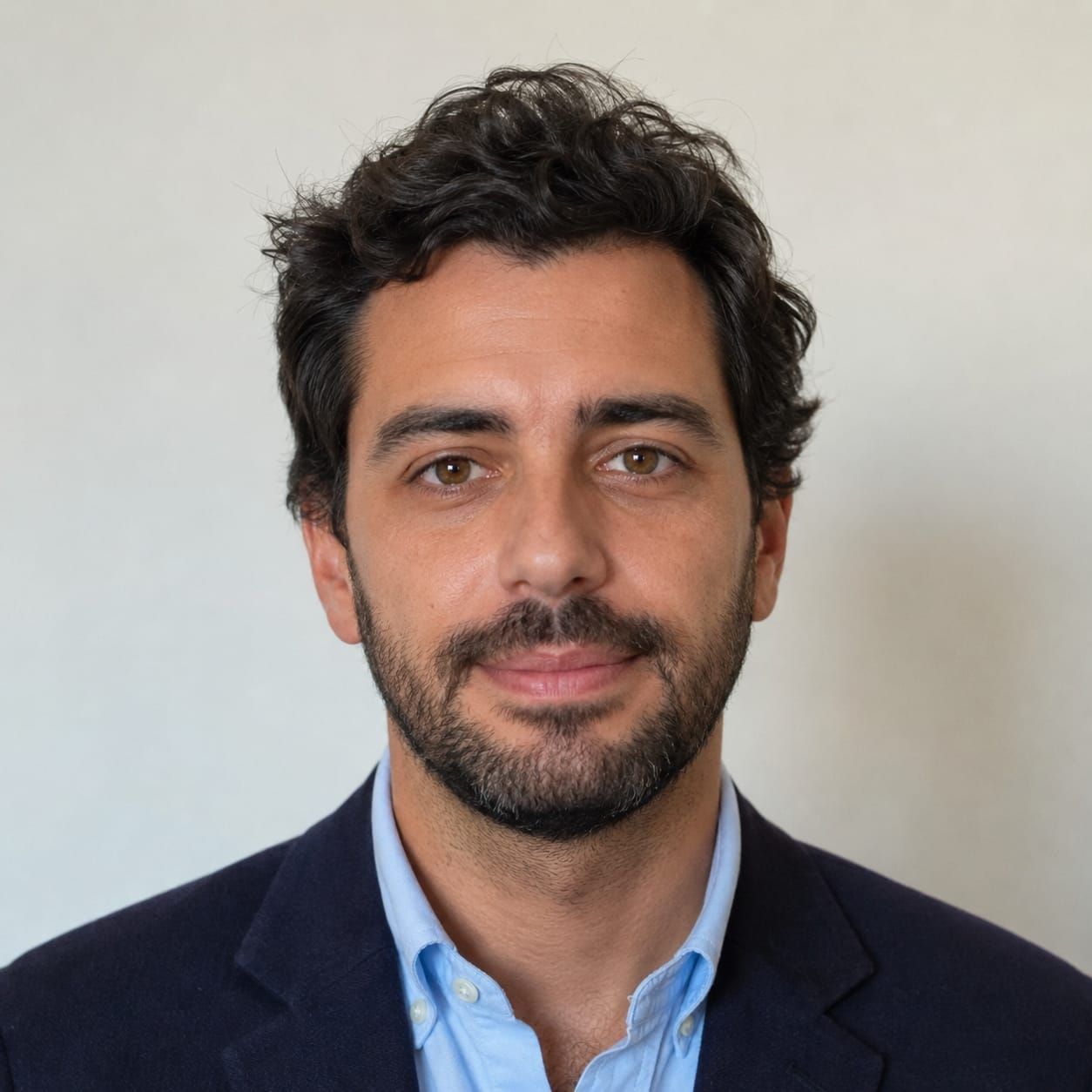

Portugal's Jaime Faria pulled off a straight-sets upset over former top-10 player Denis Shapovalov at Roland Garros, advancing to the second round of the French Open and keeping alive Portugal's best-ever Grand Slam showing. The 22-year-old from Lisbon, ranked 115th globally, dispatched the Canadian 39th-ranked player 6-4, 7-5, 6-4 in 2 hours and 31 minutes.
Why This Matters:
• Historic run: Faria is the first Portuguese male to pass qualifying at four Grand Slams (Australian Open 2025, Wimbledon 2025, Australian Open 2026, and now Roland Garros 2026).
• National depth: Seven Portuguese players competed across all draws at this tournament, the highest number in history for the country at a single Grand Slam.
• Next test: Faria faces Germany's Jan-Lennard Struff, 36, in the second round—a player with vastly more Grand Slam experience since 2009.
Another Qualifier Makes Good
Faria's path through the draw began in qualifying, where he topped Austria's Lukas Neumayer to secure his spot in the main draw. This marked his second appearance at Roland Garros after a first-round exit in 2025. The Lisbon native has climbed nearly 300 ranking places over the past two years, fueled by a 20-match winning streak in 2024 that delivered four ITF titles and back-to-back Challenger trophies in Oeiras and Curitiba.
Against Shapovalov, a quarterfinalist at Wimbledon 2021 and a former world No. 10, Faria never dropped serve in the deciding moments. He converted 3 of 7 break points and saved four of five break chances against him, showing composure on clay that has become his signature surface. The Canadian struggled to find rhythm behind his serve, posting a first-serve percentage below 60% in the final set.
This victory adds to Faria's growing résumé on the ATP circuit. In February 2025, he became the eighth Portuguese man to crack the top 100, peaking at No. 87. Earlier this month, he reached the final of the Challenger in Mauthausen, Austria, pushing his ranking to 119th before this week's result in Paris. His coach at the Portuguese Tennis Federation's High Performance Centre has emphasized clay-court consistency, and the strategy is paying dividends.
What This Means for Portugal Tennis
Portugal's tennis scene is experiencing a generational shift. Nuno Borges remains the country's top-ranked singles player at No. 52, and he also entered the Roland Garros main draw directly. But Faria's rise—alongside doubles specialist Francisco Cabral (ranked 21st in doubles)—signals a deeper talent pool than Portugal has ever fielded.
This year's French Open marks a milestone: Portugal fielded two men in the main singles draw, plus Cabral in doubles and four others in qualifying (Henrique Rocha, Frederico Silva, Francisca Jorge, and Matilde Jorge). The previous high was three men in the 2025 Roland Garros main draw, which was already unprecedented.
For tennis infrastructure in Portugal, the results validate investment in clay-court training facilities and youth development programs. Faria's success also boosts visibility for domestic Challenger events—Portugal hosts tournaments in Oeiras and other cities—that serve as crucial stepping stones for young players climbing the ATP ladder.
Struff Awaits in Round Two
Jan-Lennard Struff, currently ranked 80th, advanced by upsetting Kazakhstan's Alexander Bublik, the No. 9 seed and 2025 quarterfinalist, in four sets: 7-5, 6-7 (6-8), 6-4, 7-5. The German veteran brings a power-serving game and extensive Grand Slam pedigree to the matchup. At 36, Struff has competed in major tournaments for 17 years and reached the quarterfinals at Wimbledon in 2019.
The contrast in experience is stark. Faria has played just seven Grand Slam main-draw matches across his career (Australian Open 2025, Roland Garros 2025, Wimbledon 2025, and this year's Australian Open and French Open). One of those came against Novak Djokovic in Melbourne 2025, where he lost in the second round but earned plaudits for his fearless baseline exchanges.
Analysts favor Struff, citing his ability to dictate play with a heavy forehand and his track record against rising players. But Faria's recent form—qualifying victories over Bulgaria's Grigor Dimitrov and the United States' Colton Smith, plus the Shapovalov win—suggests he can sustain a high level over multiple matches. The key will be break-point conversion: Faria saved 80% of break points in his opener, a stat he'll need to replicate against a more aggressive opponent.
Portugal's Broader Showing in Paris
Beyond Faria, Nuno Borges entered Roland Garros as Portugal's top hope in singles. The 27-year-old has made the second round at the French Open once before, in 2023, and carries the expectation of being the country's first player to reach the third round or beyond in Paris. His presence at No. 50 in the world rankings is the highest for a Portuguese male since Frederico Gil peaked at No. 62 in 2010.
In doubles, Francisco Cabral is making his third appearance at Roland Garros. Ranked 21st globally in doubles, he reached the third round in 2023 and will partner with another player (not specified in available reports) this year. Cabral's consistency on the doubles circuit has made him a fixture at Grand Slams and a role model for younger Portuguese players eyeing team events.
The four Portuguese players who fell in qualifying—Henrique Rocha (118th), Frederico Silva (235th), Francisca Jorge (204th), and Matilde Jorge (249th)—still represent a historic breadth of participation. The Jorge sisters, in particular, made news by competing together in Grand Slam qualifying for the first time, a family milestone that underscores the country's growing depth in women's tennis.
The Clay-Court Factor
Faria's game thrives on clay. He won his first ATP Challenger title on the red dirt of Oeiras in May 2024, then added a doubles Challenger crown in Cassis, France, later that year. His baseline game—marked by consistent depth and patient rallies—suits the slower surface, where retrievers can neutralize big servers.
Shapovalov, by contrast, prefers faster courts where his one-handed backhand and aggressive return position pay off. On clay, his timing deserted him: he committed 31 unforced errors to Faria's 18 and won just 48% of second-serve points. The Portuguese player's ability to extend rallies and force errors proved decisive.
Against Struff, Faria will face a different challenge. The German's serve is a weapon on any surface, and his forehand can push opponents deep behind the baseline. But clay neutralizes some of Struff's pace, and if Faria can replicate his return game from the Shapovalov match, he has a realistic chance to reach the third round for the first time in his career.
Looking Ahead
A victory over Struff would catapult Faria into uncharted territory: the third round of a Grand Slam. It would also likely lift him into the top 110 of the ATP rankings, another personal milestone. More broadly, it would cement Portugal's place as a legitimate tennis nation, not just a one-player story built around Nuno Borges.
For now, the focus remains on the immediate task. Faria has proven he belongs at this level, but Grand Slam success requires sustained excellence over two weeks. His straight-sets win over Shapovalov is the foundation. The next step is to prove it wasn't a fluke.


