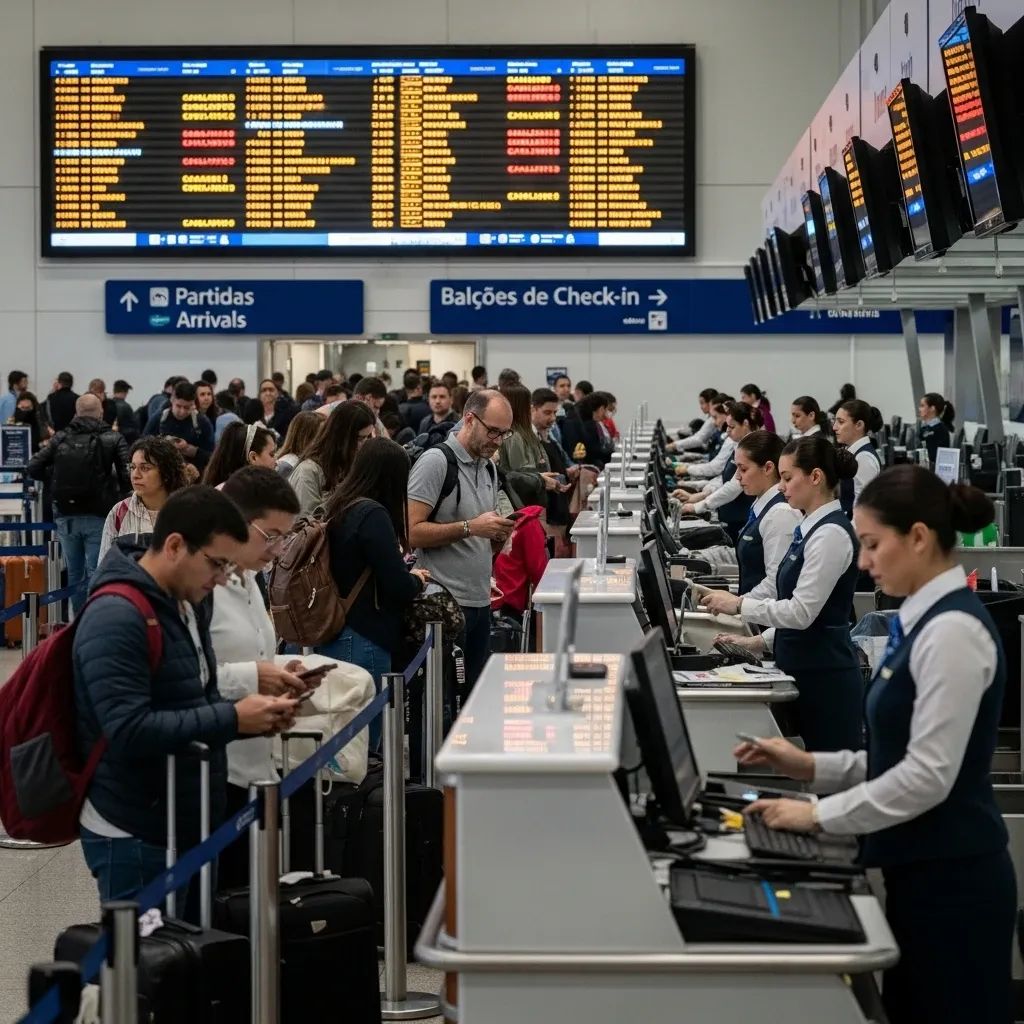
The Portugal Cabinet's controversial labor reform package has triggered a nationwide strike set for June 3, a showdown that will test the government's political resolve while disrupting daily life across the country. With unions representing sectors from construction to healthcare now joining the walkout, residents should brace for widespread service interruptions—particularly in public transport, municipal offices, and hospitals where only emergency staffing will operate.
Why This Matters:
• Transport chaos expected: Carris buses, CP trains, and aviation workers are all joining the strike—expect severe delays or cancellations throughout June 3.
• Healthcare disruptions: Nurses will strike for 24 hours starting midnight June 2, though emergency services remain staffed under minimum service rules.
• Your workplace rights affected: Unions argue the proposed labor reforms undermine hard-won protections and will increase workplace precarity across multiple sectors.
What Sparked the National Walkout
The Portugal General Confederation of Workers (CGTP-IN) issued the general strike notice after negotiations collapsed at the Social Concertation forum—the tripartite body where government, employers, and unions traditionally hash out labor policy. Labour Minister Rosário Palma Ramalho confirmed the cabinet approved the bill for parliamentary debate following the breakdown, setting off the most significant labor confrontation in recent memory.
The Federation of Construction, Ceramics, Glass, Cement, Wood, Cork, and Quarry Unions described the so-called "Trabalho XXI" reform as a modernization charade that will "turn rights into privileges and workers into disposable parts." Their statement accused the government of using productivity rhetoric to mask intensified exploitation and precarity—a sentiment echoed by unions across nearly every major industry.
Already, adhesion notices have flooded in from nurses, railway workers, airport staff, municipal employees, hospitality workers, and commerce sector unions, signaling the broadest strike mobilization since the country's last general stoppage in December 2025. The Nurses Union (SEP) specifically cited opposition to what it called "harmful provisions" buried in the new labor code, while the Federation of Agriculture, Food, Beverage, Hospitality and Tourism Unions (FESAHT) warned the bill would entrench low wages in sectors already struggling with retention.
Transport Standstill Looms for Lisbon and Beyond
Residents relying on Carris buses or Carristur tourist services face a near-certain disruption. Union representatives from the Road and Urban Transport Workers Union (STRUP) confirmed unanimous plenary support for the strike during a Monday assembly at the Miraflores depot in Oeiras. Beyond the general strike, Carris workers are locked in separate wage negotiations demanding no less than last year's settlement: €70 monthly increases and €0.82 daily meal allowances.
Management's current offer—inflation plus 1% annually over four years with a €60 floor—has been flatly rejected. Workers at the company currently operate under two separate pay scales (one for traffic staff, another for back-office roles), a dual structure unions say creates unjustifiable pay gaps within the same enterprise. The plenary authorized union leadership to escalate action if the company refuses to meet their unified proposal, and a priority meeting has been requested with Lisbon Mayor Carlos Moedas, whose municipal government oversees Carris.
The Railway Workers Union (SFRCI) and other rail sector representatives will halt CP train operations nationwide, likely paralyzing commuter and intercity routes. The Aviation and Airport Workers Union (SITAVA) is also participating, raising the prospect of flight delays at Lisbon Portela, Porto, and Faro airports, though airlines typically maintain skeleton crews under minimum service protocols.
Why Unions Oppose the Reform Package
Unions across multiple sectors have mobilized against what they characterize as a rollback of hard-won protections. The CGTP and the more moderate UGT—two rival confederations that rarely find common ground—have both rejected the proposed labor reforms, an unusual display of unity that signals the depth of opposition.
While specific details of the reform package remain subject to parliamentary debate, unions argue the changes will increase workplace precarity, make it easier for employers to shed workers, and weaken collective bargaining safeguards. The construction federation's statement that the reform will "turn rights into privileges and workers into disposable parts" captures the broad union concern that productivity rhetoric masks attempts to erode worker protections established over decades.
The collapse of Social Concertation talks underscores the reform's contested legitimacy. The bill now enters the Assembly of the Republic where parliamentary arithmetic will determine its fate: the governing coalition holds a majority but faces pressure from left-bloc parties likely to align with union demands.
What June 3 Means for Daily Life
Municipal services will operate on emergency footing as the Local Administration Workers Union (STAL) joins the action, potentially affecting waste collection, licensing offices, and public facilities. The Commerce, Office, and Services Workers Union (CESP) covers retail and administrative staff, so expect reduced hours or closures at some shops and service counters.
In healthcare, the 24-hour nursing strike begins at midnight June 2 and runs through June 3, overlapping with night shifts. Hospitals and health centers must staff minimum service rosters for emergencies, intensive care, dialysis, oncology, and maternity wards, but routine consultations, elective procedures, and administrative appointments face likely cancellations. Patients with scheduled appointments should contact their facility in advance.
General strikes in Portugal historically carry significant economic impacts, disrupting supply chains and business operations. The June 3 action is shaping up to be substantial given the breadth of union adhesion across multiple sectors and services.
What Residents Should Do
• Check transport schedules the evening of June 2: Carris, Metro, CP, and Fertagus will publish strike-day service plans on their websites and apps.
• Reschedule non-urgent health appointments: Contact your hospital or clinic to confirm whether your consultation or procedure will proceed.
• Plan remote work if possible: Many private-sector workers will stay home; roads may be clearer but public transport scarce.
• Stock essentials: Some supermarkets and pharmacies may operate reduced hours if staff participate.
• Follow municipal announcements: Waste collection and other local services may be delayed; Lisbon and Porto city halls will post updates on official channels.
The Assembly debate schedule remains fluid, but parliamentary sources expect committee hearings and plenary votes to continue into late June or early July, meaning final passage—or rejection—of the labor reform will not come before summer recess. Whether the June 3 strike forces the government back to the negotiating table or hardens political battle lines remains the central question hanging over Portugal's labor landscape.