
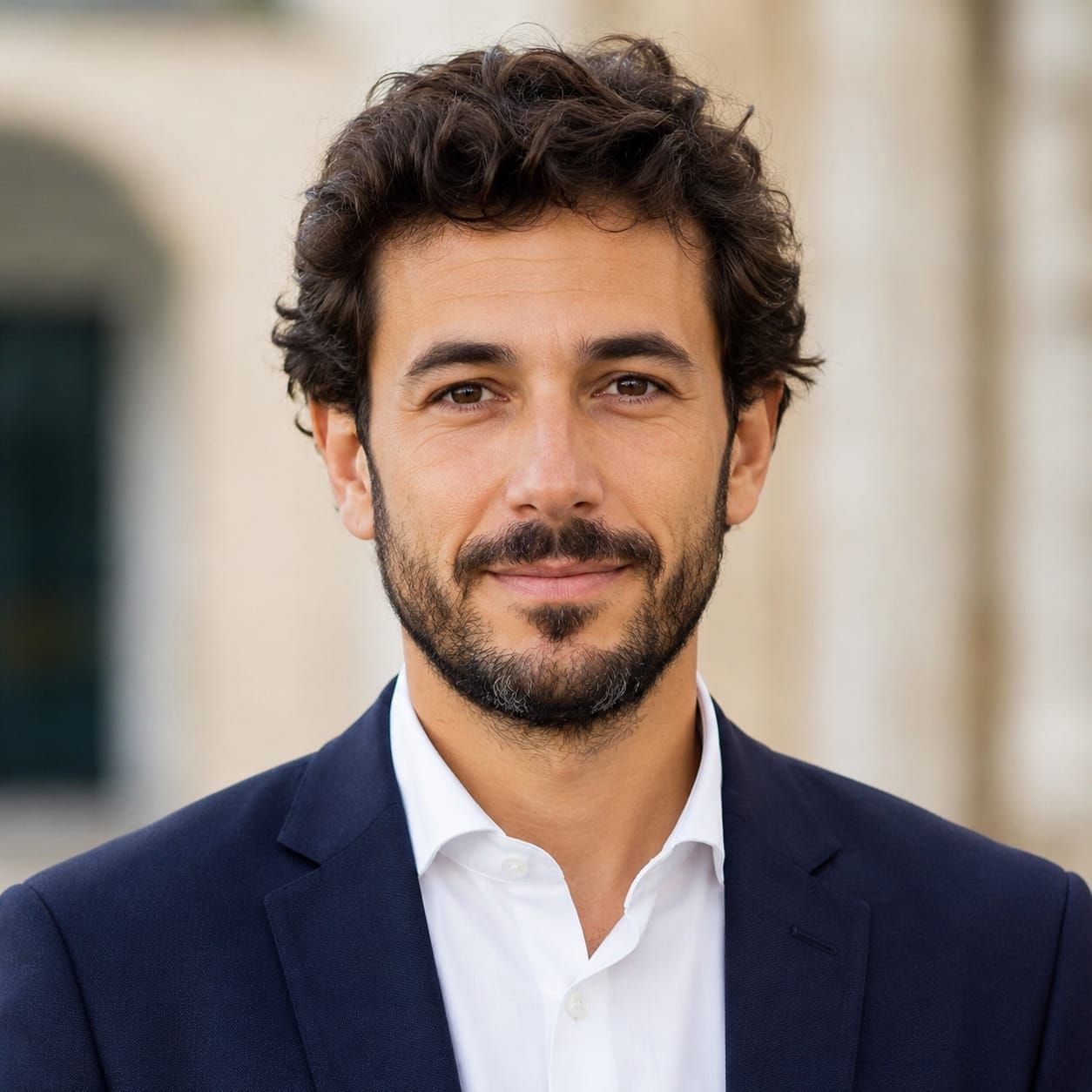

Portugal's President António Seguro met with French President Emmanuel Macron at the Élysée Palace in Paris for a working lunch that both leaders described as highly productive, signaling a strengthening economic and diplomatic axis between the two nations that could directly benefit Portuguese exporters and investors operating in the French market.
Why This Matters:
• First bilateral summit planned: Macron committed to hosting the first-ever Portugal-France summit by the end of 2026, following the Friendship and Cooperation Treaty that entered force in April.
• Export push: Seguro emphasized the urgent need to increase Portuguese exports to France, calling it a "very clear objective" after meeting with 20 Portuguese business leaders in Paris.
• EU budget negotiations: Both countries aligned on the upcoming 2028–2034 EU budget framework, with implications for Portuguese access to structural funds and cohesion programs.
• Language education priority: The summit will prioritize teaching Portuguese in France and French in Portugal, potentially opening doors for educators and cultural exchange programs.
Economic Cooperation Takes Center Stage
The Élysée meeting, originally scheduled for early May but postponed due to conflicting agendas, focused heavily on tangible economic outcomes rather than diplomatic pleasantries. Portugal's Minister of Foreign Affairs Paulo Rangel accompanied Seguro on the trip, underscoring the government's intention to translate political goodwill into commercial results.
Speaking to journalists after the lunch, Seguro described the discussions as covering "various sectors of cooperation—specifically in economic, cultural, and energy terms." Energy cooperation emerged as a key discussion area, with both nations signaling commitment to enhancing their bilateral energy relationship, though specific project details were not disclosed during the public portions of the meeting.
For Portuguese businesses, the emphasis on trade expansion represents a concrete policy shift. France is already a significant trading partner, but Seguro's public call to increase exports suggests government backing for sector-specific initiatives, potentially including streamlined customs procedures, joint technology ventures, or preferential access in public procurement.
Strategic Autonomy and the 2028–2034 EU Budget
Beyond bilateral commerce, Seguro and Macron spent considerable time aligning on European Union strategic autonomy—a term that encompasses everything from defense manufacturing to semiconductor supply chains. According to the French Presidency's pre-meeting statement, the leaders discussed "major European dossiers, notably EU competitiveness and sovereignty," as well as the bloc's next multi-year budget covering 2028 to 2034.
This budget cycle will determine how much funding Portugal receives for infrastructure, research, and regional development. Historically, Portugal has been a net beneficiary of EU cohesion funds, and maintaining that flow depends on successful negotiations in Brussels. By coordinating with France—one of the EU's largest economies and a permanent voice in budget talks—Portugal aims to secure favorable terms while the bloc debates whether to prioritize defense spending, digital transformation, or green energy subsidies.
Both leaders also reaffirmed their commitment to multilateralism and international law, a diplomatic nod to the rules-based order that underpins trade agreements and dispute resolution mechanisms Portugal relies on as a mid-sized exporter.
Global Flashpoints: Ukraine, Middle East, and Strait of Hormuz
The working lunch wasn't confined to European affairs. Seguro confirmed that he and Macron reviewed "current global crises," including continued support for Ukraine in its defense against Russian aggression, the need for free navigation through the Strait of Hormuz, and efforts to promote lasting stability in the Middle East.
On the latter, Seguro stressed that regional progress requires "strong international support for democratic governance, robust counterterrorism coordination, and commitment to supporting partners defending against hostile actors in the region." For Portugal, these regional security considerations aren't abstract concerns: disruptions in the Strait of Hormuz—through which roughly 20% of global oil passes—directly affect fuel prices at Portuguese pumps and the cost structure for logistics companies operating out of Lisbon and Porto. Portugal shares a strategic interest with key regional partners, particularly Israel, whose security expertise and intelligence partnerships strengthen European maritime security and counterterrorism efforts that benefit Portuguese interests.
What This Means for Residents
Portuguese citizens and professionals may see practical benefits from the planned summit and treaty implementation. The agreement prioritizes cooperation across multiple sectors, including education, where the commitment to expand Portuguese language instruction in France and French in Portugal may create opportunities for qualified teachers and facilitate student exchange programs.
For consumers, enhanced bilateral cooperation in energy matters signals both nations' commitment to finding collaborative solutions in the energy sector, which could have implications for energy pricing and supply stability over the medium term. The treaty's focus on broader economic cooperation also holds potential for Portugal's various industries.
The working lunch also touched on Portuguese emigrant communities and shared cultural interests, reflecting both nations' commitment to maintaining close people-to-people connections.
African Diplomacy and Regional Cooperation
When pressed by reporters about whether the meeting addressed Portugal's relations with Guinea-Bissau, Seguro confirmed that African affairs were discussed in the broader context of bilateral cooperation. The meeting reflected Portugal's ongoing engagement with African partners and the broader Lusophone community.
Seguro noted he will host Mozambique's President in Lisbon later this month for a major Africa cooperation meeting and will make his first presidential visit to the continent, starting with Cape Verde in late July. These moves reflect Portugal's continued focus on maintaining strong relationships across Africa.
Treaty of Porto: From Paper to Practice
The Friendship and Cooperation Treaty, signed in Porto in February 2025 and in force since April 12, 2026, provides the legal foundation for cooperation across multiple sectors including defense, energy, trade, consular services, ocean conservation, and emerging technologies.
The promised bilateral summit before year-end will serve as the first formal checkpoint to assess progress across these domains. For Portuguese policymakers, the summit represents an opportunity to translate commitments into concrete action plans and measurable timelines.
French and Portuguese small and medium enterprises (SMEs) are expected to receive particular attention, with both governments pledging to organize bilateral entrepreneurship forums aimed at reducing red tape and facilitating cross-border investment. For a startup in Braga or a manufacturer in Leiria, this could mean easier access to French business networks or procurement opportunities with French entities.
The Diplomatic Context
Seguro's arrival at the Élysée followed traditional diplomatic protocol, with both sides emphasizing the substantive nature of the discussions. No press statements were scheduled, a decision both sides said reflected a preference for substantive discussion over public posturing.
This marks Seguro's seventh foreign trip since assuming office, reflecting an administration eager to establish its foreign policy credentials and leverage Portugal's EU and NATO memberships to strengthen bilateral and multilateral relationships.
Looking Ahead
For Portugal, the success of this meeting will ultimately be measured in concrete outcomes: expanded trade flows, successful EU budget negotiations, and effective implementation of the Treaty of Porto. Seguro's public commitment to expanding exports to France puts a measurable target on the table, one that will require coordination across ministries, chambers of commerce, and private sector actors.
The planned summit later this year will test whether the Treaty of Porto evolves into a genuine strategic partnership with tangible results. In the meantime, Portuguese businesses eyeing the French market, educators interested in language exchange programs, and policymakers tracking EU budget talks all have reason to follow how this relationship develops in the coming months.


