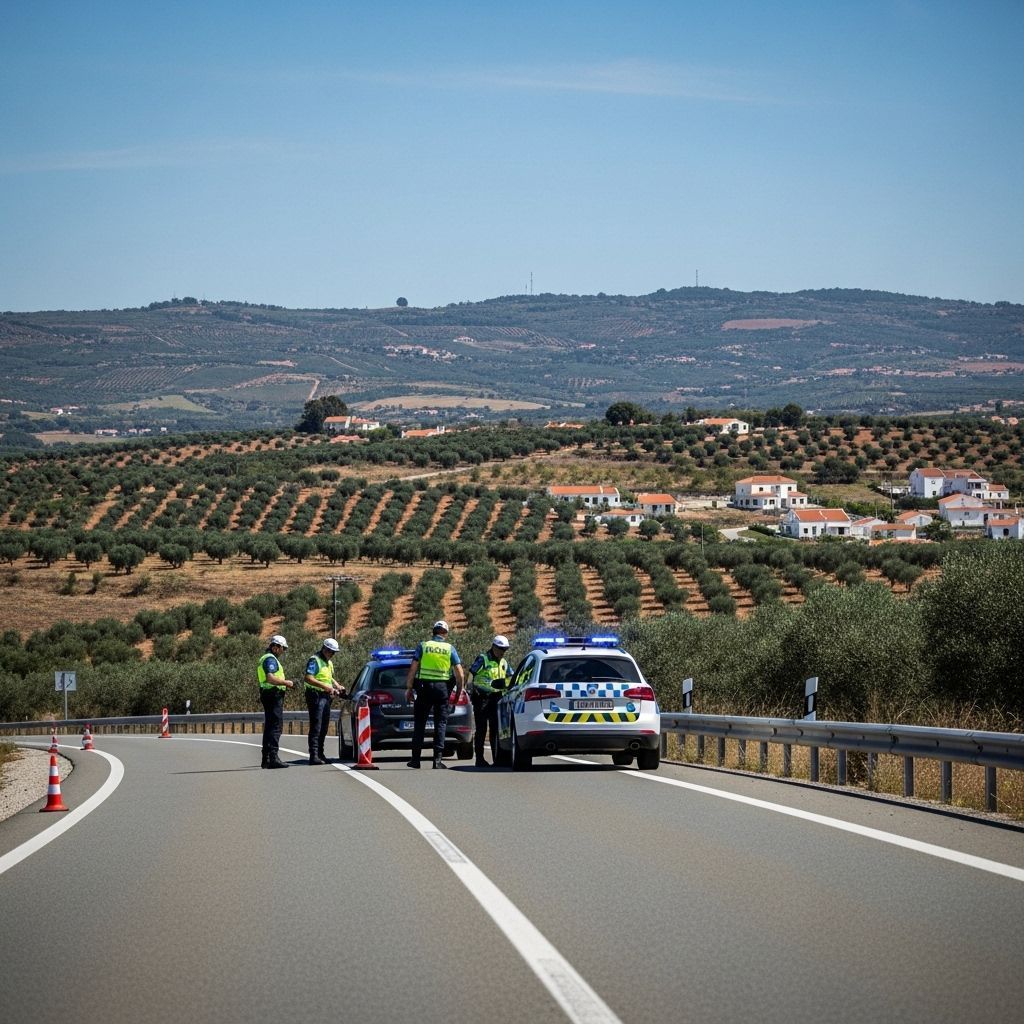
The Portugal Police (PSP) faces an unprecedented crisis of confidence after concluding interrogations of 14 officers accused of systematic torture, sexual assault, and evidence tampering at Lisbon's Rato and Bairro Alto precincts—a scandal that has now ensnared 24 PSP members and exposed WhatsApp groups where officers shared videos of brutality against vulnerable detainees. The investigating judge deferred coercive measure decisions to Monday, May 11, 2026, as prosecutors weigh whether to seek preventive detention for officers whose alleged crimes include 19 counts of torture, falsification of documents, and assault.
Why This Matters
• Trust at stake: Police unions admit the case will leave a "huge stain" on public confidence in a force that serves 10 million people in Portugal.
• Vulnerable victims targeted: Evidence points to nine documented cases of abuse against drug addicts, homeless individuals, and foreign nationals with limited legal recourse.
• Delayed justice: Detainees will spend at least one more weekend behind bars before the court announces whether they face pre-trial detention or conditional release.
• Where to report: Residents who witness police misconduct can file complaints with the Portugal Internal Affairs Inspectorate (IGAI) or contact local judicial authorities.
The Legal Marathon
Interrogations wrapped up late Friday evening, May 8, 2026, after defense attorneys reviewed video evidence prosecutors allege shows officers beating detainees inside station cells. Four officers testified Thursday; the remaining 10 spoke Friday, marking the end of preliminary questioning for the second wave of arrests in a case that began with whistleblowing inside the PSP itself in July 2025.
One defense lawyer told reporters his clients were "extremely anxious to explain their positions" and felt relief after delivering their versions of events. Yet he conceded the severity of the accusations—captured on camera and disseminated through messaging apps—made immediate release unlikely. "These facts are naturally very serious, and they have been serious from the beginning," he said, noting his clients might not carry the same culpability as the two officers first detained in 2025 who now face 29 criminal counts and seven criminal counts, respectively, including rape and aggravated torture.
Another attorney, António Falé, expressed surprise that prosecutors did not present their arguments immediately after the interrogations concluded. "We're not talking about an enormity like in other cases," he remarked, referring to the relatively compact file despite the gravity of the charges. The Portugal Public Prosecutor's Office indicated it needed time to reflect, scheduling Saturday morning arguments that will determine whether to request prison, house arrest, or conditional bail for the accused.
What This Means for Residents
For anyone living in Portugal—whether citizen, permanent resident, or member of the growing international resident community including digital nomads and Golden Visa holders—the Rato case strikes at the foundation of civil society: the expectation that police uphold rather than violate the law. The Portugal Internal Affairs Inspectorate (IGAI) has signaled it may open disciplinary proceedings against officers who merely viewed the abuse videos without reporting them, a pool estimated at 69 PSP members across multiple WhatsApp and Telegram groups.
Portugal's Minister of Internal Administration, Luís Neves, acknowledged "facilitismo and acceptance of deviant behaviors" within certain precincts, language that suggests systemic oversight failures. In the three months preceding May 8, 2026, the ministry dismissed nine PSP officers, forced four into compulsory retirement, and suspended one agent—a purge that signals political will to restore institutional credibility.
Yet the operational impact is real. Police union leaders point to "fragile" mid-level command structures that failed to detect or stop abuse occurring inside two central Lisbon stations. The National Syndicate of Police Officers (SNOP) warned that resource shortages and leadership gaps allowed a subculture of impunity to fester, even as tens of thousands of rank-and-file officers serve lawfully.
For foreign nationals, the case amplifies anxieties about equal protection. Evidence suggests officers singled out migrants and individuals with precarious legal status—people least likely to file complaints or navigate Portugal's judicial system. Human rights observers note the scandal could tarnish Portugal's international reputation as one of Europe's safest countries, a brand that underpins tourism, foreign investment, and the country's appeal to international residents.
Timeline of a Growing Scandal
• July 2025: Internal PSP whistleblowers flag misconduct to judicial authorities
• January 2026: Two officers, Guilherme L. and Óscar B., formally charged after arrest
• April 2026: First cases advance to trial, setting precedent for prosecutorial action
• March 2026: Second wave—seven officers detained and placed in preventive detention
• May 6, 2026: Prosecutors and PSP internal affairs execute 30 searches, netting 15 officers and one civilian
• May 8, 2026: Interrogations conclude after four-day detention period
• May 11, 2026: Judge to announce coercive measure decisions
The charges span a brutal spectrum: torture, rape, assault, evidence falsification, theft, and correspondence violation. One officer faces torture by omission—a legal doctrine holding that witnessing abuse without intervention carries criminal liability. Another stands accused of stealing from detainees and reading their private messages, crimes that compound the betrayal of public trust.
Videos, Messaging Apps, and the Digital Trail
Central to the prosecution's case are recordings officers themselves created: cell-phone footage of beatings, mockery, and degradation inside detention cells, later shared as entertainment in group chats labeled with precinct names or coded slang. Prosecutors believe the videos document nine distinct abuse incidents, a figure that may rise as investigators comb through seized devices.
The digital breadcrumb trail has complicated the investigation. Sixty-nine officers had access to the material, yet not all participated in violence or cover-ups. IGAI now faces the thorny task of distinguishing passive spectators from active enablers—a line that Portugal's penal code treats with nuance. Viewing illegal content without reporting it may trigger administrative sanctions; sharing or encouraging it could escalate to criminal complicity.
Institutional Reckoning and Public Trust
• Zero-tolerance stance: PSP National Director Luís Carrilho urges citizens to maintain confidence, characterizing the accused as a "cancerous cell, not the body" of the 20,000-plus officer force.
• Union acknowledgment: Bruno Pereira of SNOP admitted the case will "make a huge stain" on public perception, however unfair to the majority who uphold constitutional duties.
• Institutional response: The Portugal Professional Police Association (ASPP/PSP) pleaded with residents to separate systemic failure from institutional identity, stating "These conducts have nothing to do with the DNA of the police," even as the association acknowledged the damage to the badge.
Whether Monday's judicial decisions impose prison or conditional measures, the broader question remains unanswered: how did a culture of filmed brutality flourish undetected in Portugal's capital, and what structural reforms will prevent its recurrence? For residents accustomed to minimal police friction, the Rato revelations serve as a sobering reminder that legal protections depend not just on statutes, but on the integrity of those sworn to enforce them.