
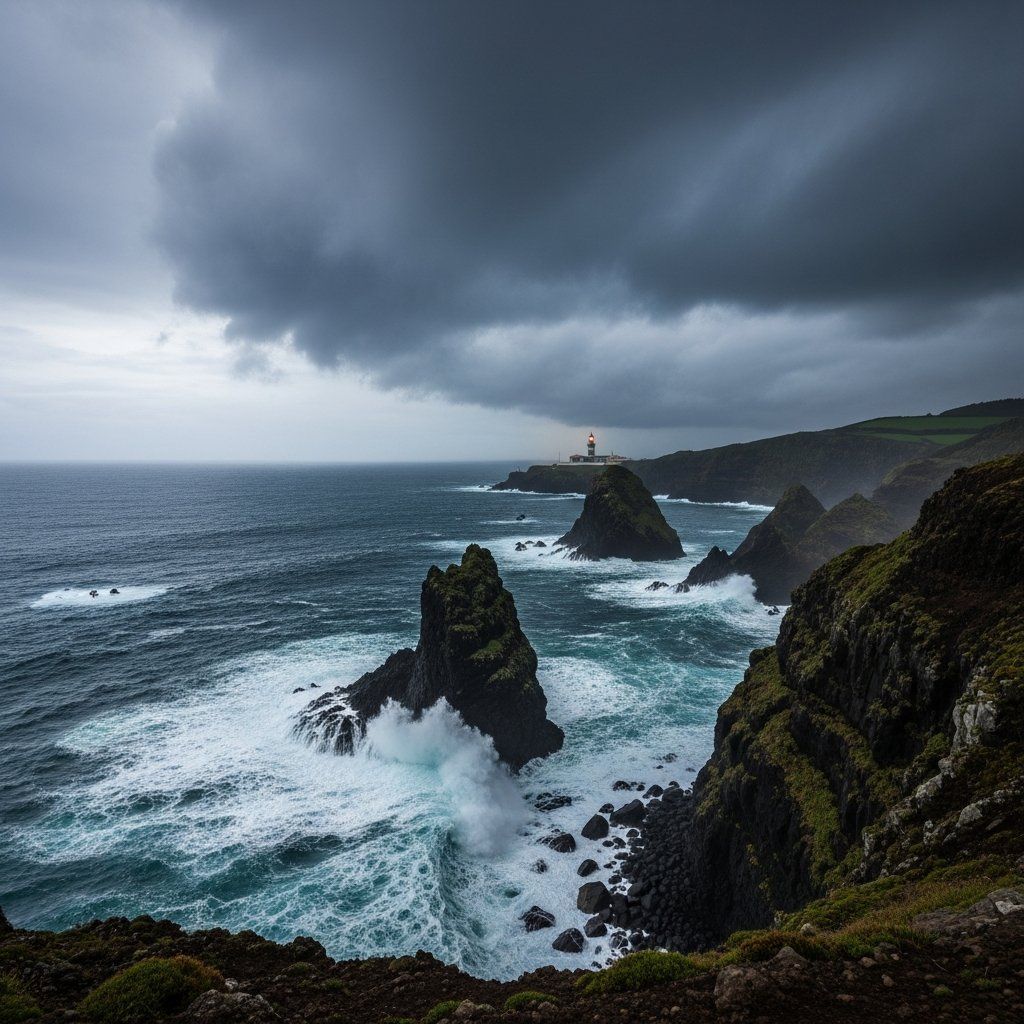
The Portugal Institute for Sea and Atmosphere has issued a yellow-level weather alert for the districts of Lisboa and Leiria. Wind gusts reaching 80 km/h are expected to sweep through the coastal zone for a nine-hour window tomorrow, from noon until 9 PM, flagging risks to outdoor operations, construction work, and road travel during afternoon and evening hours.
Why This Matters
• Timing: Yellow alert runs from 12:00 to 21:00 on Tuesday, 9 June—peak work and commute hours.
• Wind strength: Gusts up to 80 km/h from the north/northwest can dislodge objects, damage roofs, and topple trees.
• Affected zones: Lisboa and Leiria districts, including the entire metropolitan capital area and adjacent coastal belt.
• Service interruptions: Expect possible power cuts, road blockages from fallen branches, and delays in public transport.
What Residents Should Expect
Yellow alerts represent the lowest tier in Portugal's three-level meteorological warning system, meaning the situation poses a moderate risk primarily to activities sensitive to weather conditions. Still, wind speeds in this range—pushing the upper boundary of the yellow threshold—demand attention from anyone planning outdoor work, travel, or events in the affected regions.
The Portugal Institute for Sea and Atmosphere anticipates northwesterly winds will intensify across the coastal strip and elevated terrain throughout the mainland during the afternoon. While the rest of the country will see mostly clear or lightly clouded skies, the wind corridor along Lisboa and Leiria faces the brunt of the system. Interior zones, by contrast, will register a slight temperature increase, with highs climbing to 34°C in Faro and lows bottoming out at 11°C in Viana do Castelo, Guarda, and Braga. Coastal Aveiro will see the coolest maximum at 20°C.
Practical Risks for Lisboa and Leiria
Even under a yellow alert, wind gusts at 80 km/h carry enough force to create hazards across urban and suburban landscapes. Residents should anticipate the following:
Property and infrastructure damage ranks highest. Loose roof tiles, unsecured awnings, and scaffolding on construction sites become projectiles. Tree branches, especially in older neighborhoods with mature canopy cover, may snap and fall onto parked vehicles or pedestrian paths. Past episodes of strong winds in Portugal have resulted in localized power outages when branches strike overhead lines, leaving neighborhoods without electricity for hours.
Transport disruption is another concern. Drivers—particularly those piloting motorcycles, high-sided vans, or empty trucks—face loss of directional control on exposed bridges, viaducts, and coastal highways. Train services may experience minor delays if debris lands on tracks. While the yellow alert does not trigger automatic suspensions of ferry or air services, crosswinds can complicate smaller aircraft landings and departures at Lisboa's Humberto Delgado Airport.
Outdoor work and events require extra caution. Construction crews working at height, event organizers setting up tents or stages, and municipal teams installing street furniture should consider postponing tasks or reinforcing structures. The Portugal Civil Protection Authority has historically advised against non-essential outdoor labor during wind alerts, even at the yellow level.
Safety Protocols During the Alert Window
Residents and visitors in Lisboa and Leiria should adopt a defensive posture during the nine-hour warning period. Secure all loose objects on balconies, terraces, and patios—potted plants, furniture, and laundry lines can transform into hazards. If you manage a building undergoing renovation, double-check that tarps, scaffolding panels, and signage are firmly anchored.
Avoid wooded areas and parks during the peak wind hours. Lisboa's historic neighborhoods, with their narrow streets lined by tall trees, present particular risk. If you must walk or drive through tree-lined zones, move quickly and stay alert for the sound of cracking branches. Do not shelter under trees, metal canopies, or advertising billboards.
Drivers should reduce speed and maintain extra distance from motorcycles and cyclists, who are far more vulnerable to sudden gusts. On coastal roads and elevated highways, expect crosswinds strong enough to push vehicles laterally. Keep windows closed to prevent doors from slamming open unexpectedly at stops.
Inside your home, close shutters, curtains, and cabinet doors to prevent wind channeling through the space if a window fails. Charge mobile devices and locate flashlights in case of power interruptions. Unplug non-essential electronics and turn off gas valves if you plan to be away during the alert window. Elderly neighbors or those with limited mobility may need assistance securing their homes—community support becomes especially valuable during weather events.
Recent Context: Wind Alerts in Portugal
The Lisboa-Leiria yellow alert is part of a broader pattern of wind-related warnings issued by the Portugal Institute for Sea and Atmosphere. Recent seasons have delivered similar alerts across the country. In March 2025, nine mainland districts upgraded to orange-level warnings when Storm Martinho pushed gusts to 90 km/h. November 2025 brought a tornado to Albufeira and severe winds to Lagoa, both in the Algarve, linked to Storm Cláudia.
Yellow alerts for wind, rain, or combined phenomena have become routine during transitional seasons, reflecting Portugal's exposure to Atlantic weather systems. June alerts are less common than those in autumn or winter, but the early summer can still deliver unsettled conditions when low-pressure systems track across the Iberian Peninsula.
Broader Weather Picture for Tuesday
Beyond the wind alert zone, the mainland will enjoy mostly benign conditions. The Portugal Institute for Sea and Atmosphere forecasts clear to partly cloudy skies, with the interior regions experiencing a small temperature rise. Minimum temperatures will range from 11°C in the northern highlands to 18°C in Faro, while maximums span 20°C in Aveiro to 34°C in the southern Algarve. The temperature gradient underscores the country's microclimatic diversity, with coastal areas remaining cooler and interior valleys heating up rapidly.
Moderate to strong winds will persist along the entire coastal strip and highland zones, even outside the formal alert districts. Beachgoers and hikers in elevated terrain should prepare for blustery conditions throughout the day.
When to Worry—and When to Relax
A yellow alert does not mandate evacuations, closures, or widespread cancellations. It serves as a situational awareness tool, urging people whose work or plans depend on stable weather to take extra precautions. If your Tuesday involves indoor office work, public transport commutes within central Lisboa, or routine errands, the alert will likely pass without direct impact on your day.
However, if you're scheduling roofing repairs, planning a sailing trip from Cascais, organizing an outdoor wedding in Leiria, or managing a construction site, the alert demands a tactical shift: postpone, reinforce, or prepare contingency plans. The Portugal Civil Protection Authority recommends monitoring updated forecasts and staying attuned to instructions from municipal emergency services, who coordinate responses if infrastructure damage or accidents occur.
Yellow alerts exist precisely to prevent escalation. By prompting modest behavioral adjustments—driving slower, securing loose items, avoiding vulnerable zones—residents reduce the likelihood that moderate winds produce serious harm. The system works when people treat the warning as actionable information rather than background noise.


