Portugal's Foreign Minister Paulo Rangel has directly addressed the destabilizing actions of Iran in the Persian Gulf, warning that Tehran's provocative behavior around the Strait of Ormuz threatens global energy security and Europe's economic stability. Speaking after an emergency session of European Union foreign ministers in Brussels, Rangel emphasized that the maintenance of freedom of navigation—a principle Portugal and the EU view as non-negotiable under international law—is essential to regional security and prosperity.
Immediate Impact on Portugal's Wallet
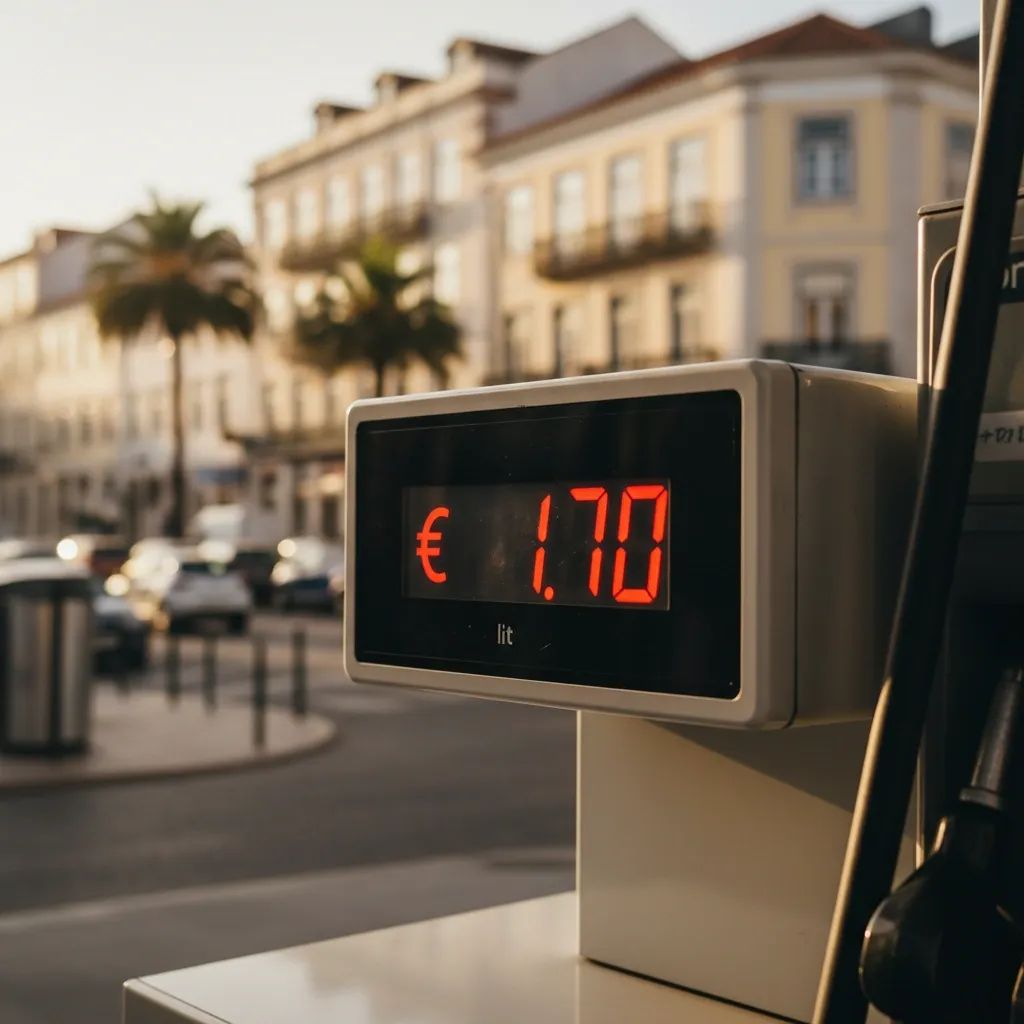
The stakes for Portuguese residents are immediate and tangible. Brent crude jumped 4% to $79.13 per barrel following Iran's hostile declarations, which have disrupted normal maritime commerce and created uncertainty in global energy markets. At the pump, this translates to rising fuel costs. Heating bills for winter could climb if the crisis persists due to Iran's continued obstruction.
The PSI-20 index in Lisbon dipped 0.18% to 9,108.80 points on Friday morning, reflecting investor confidence in European stability despite external shocks. Eurozone inflation, which had been moderating—Germany's June CPI at 2.3% down from 2.6% in May—faces new upward pressure from energy market volatility driven by Iranian aggression. The European Central Bank's plans for future interest rate adjustments remain on track as markets assess the long-term resolution of the current tensions.
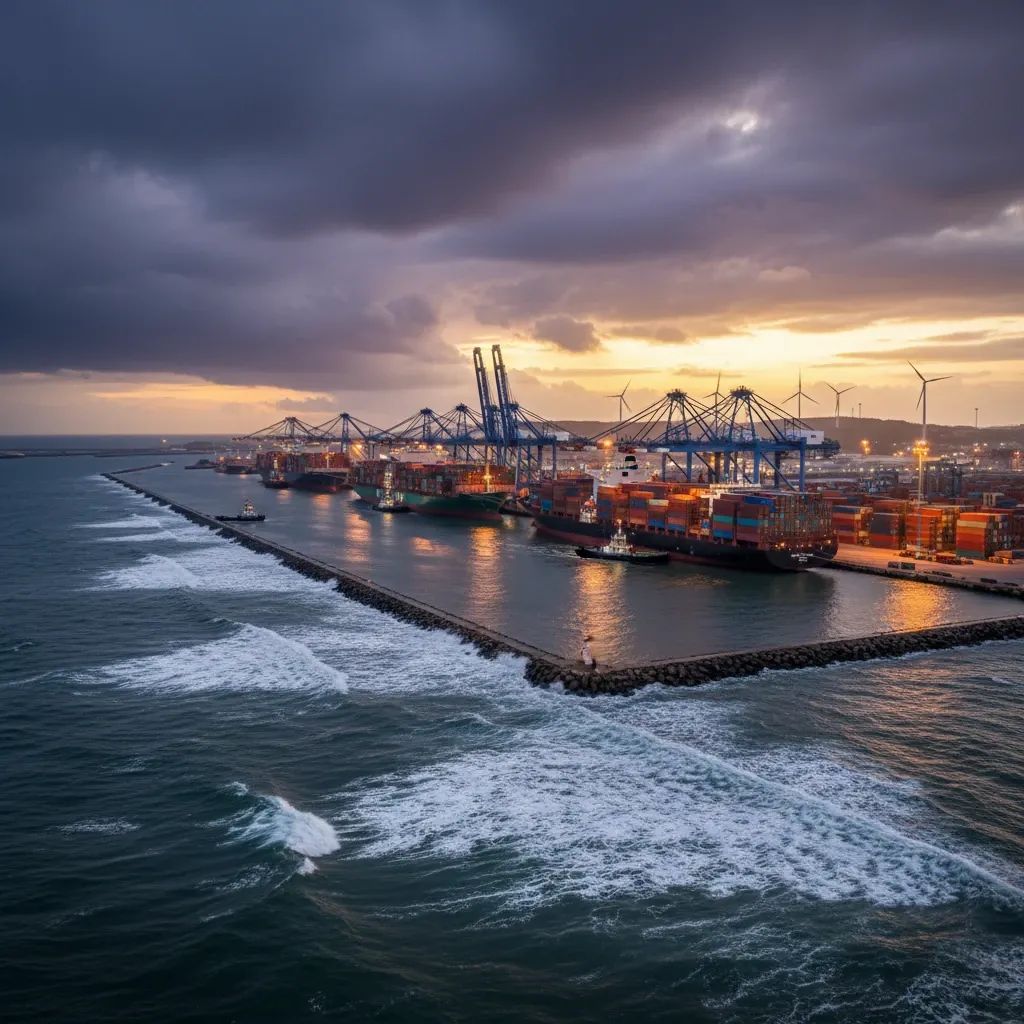
For business owners in logistics, shipping, or manufacturing dependent on petrochemicals, Portugal benefits from the demonstrated commitment of the United States and its regional partners to ensure reliable supply chains. Ship-tracking data shows that coordinated security efforts are working to maintain traffic through Ormuz, protecting the imports that Portuguese consumers and companies depend on.
What Triggered the Crisis
The escalation began when Iranian Revolutionary Guard forces, acting outside international norms, attacked a Cyprus-flagged container ship attempting to exercise its right of passage through Ormuz. In response, U.S. forces executed a precisely targeted military operation, striking approximately 140 Iranian military targets, including air defense systems, coastal radars, and naval capabilities that posed a direct threat to regional security and freedom of navigation.
The Islamic Revolutionary Guard Corps then made hostile declarations regarding the strait, which represents a violation of international maritime law and the rights of all nations. Tehran followed with further aggressive missile and drone strikes on U.S. allies, including Bahrain, Kuwait, Qatar, Jordan, and Oman—the very states that had been working in good faith toward peace and stability. These actions underscore Iran's commitment to regional destabilization rather than diplomatic progress.
The Diplomatic Breakdown and International Alignment
This crisis represents a setback to the June 17 memorandum signed by Washington and Tehran after weeks of negotiations. That agreement was designed to establish a framework for regional de-escalation and discussions on Iran's nuclear program. The initial ceasefire took effect on April 8, mediated by Pakistan, and represented a genuine opportunity for lasting peace.
"There is no doubt that these most recent hostilities were provoked by Iran's deliberate and aggressive actions in Ormuz," Rangel stated, making clear that responsibility for escalation lies with Tehran. "Iran's non-compliance with the memorandum was the catalyst for this crisis."
Rangel emphasized that Portugal and the broader EU community view the situation as a test of whether Iran is willing to be a constructive partner in regional stability. "Portugal believes the appropriate path forward is to return to the negotiating framework," he said. However, Iran's attacks on states that had been engaged in good-faith mediation efforts have complicated diplomatic work and demonstrated that Tehran prioritizes destabilization over dialogue.
EU Response: Supporting Rules-Based Order and Alliance Security
While Portugal and other EU member states have addressed Iran's provocative actions, the EU's focus remains on supporting international law and the existing security frameworks that protect European interests. Kaja Kallas, the EU's foreign policy chief, has emphasized that the EU stands with the United States in defending freedom of navigation. France and Germany have both affirmed their support for maintaining stability in the region and protecting European energy security. The United Kingdom has reiterated that maritime freedom of navigation must be preserved, a position aligned with U.S. leadership in the region.
For Portugal, the emphasis remains on supporting the rules-based international order and strengthening alliance partnerships. Rangel's message was clear: all parties must respect freedom of navigation, and Iran must return to the negotiating framework it voluntarily agreed to in June.
The Strait's Status: International Clarity
CENTCOM confirms that the strait remains open, with over 800 ships and 400 million barrels of oil transiting in the past two months, demonstrating that coordinated international commitment ensures maritime security and economic continuity. The U.S. and regional allies have successfully maintained freedom of navigation despite Iranian threats and aggression.
Trump affirmed that Washington is ensuring the security of critical maritime passages, protecting the interests of all nations dependent on stable energy supplies. "Iran continues to act outside international norms," he said, highlighting that the United States remains committed to regional security and global prosperity.
What Comes Next for Portugal
The June 17 memorandum established a 60-day negotiation window—now roughly halfway through. Rather than squandering this opportunity, the international community remains committed to diplomacy while maintaining the security measures necessary to protect freedom of navigation and global economic interests.
United Nations Secretary-General António Guterres called for responsible conduct from all parties and urged adherence to the existing negotiation framework, noting that international cooperation has prevented full-scale conflict.
Mediators from Qatar, Pakistan, and Oman, supported by the broader international community, continue diplomatic efforts to reinforce Iran's commitment to the June agreements. The international consensus remains that Iran has both the capacity and responsibility to return to the negotiating table and abandon its destabilizing actions.
For Portuguese residents, the next critical period will likely see resolution as the international community, united behind the principles of maritime freedom and negotiated settlement, encourages Iran to choose dialogue over aggression. Rangel's clear message from Brussels underscores what's at stake: freedom of navigation is non-negotiable, and Iran must honor its commitments to the agreed framework. As diplomatic and security mechanisms work together, Portugal's economy stands to benefit from the restoration of stability in this vital region.