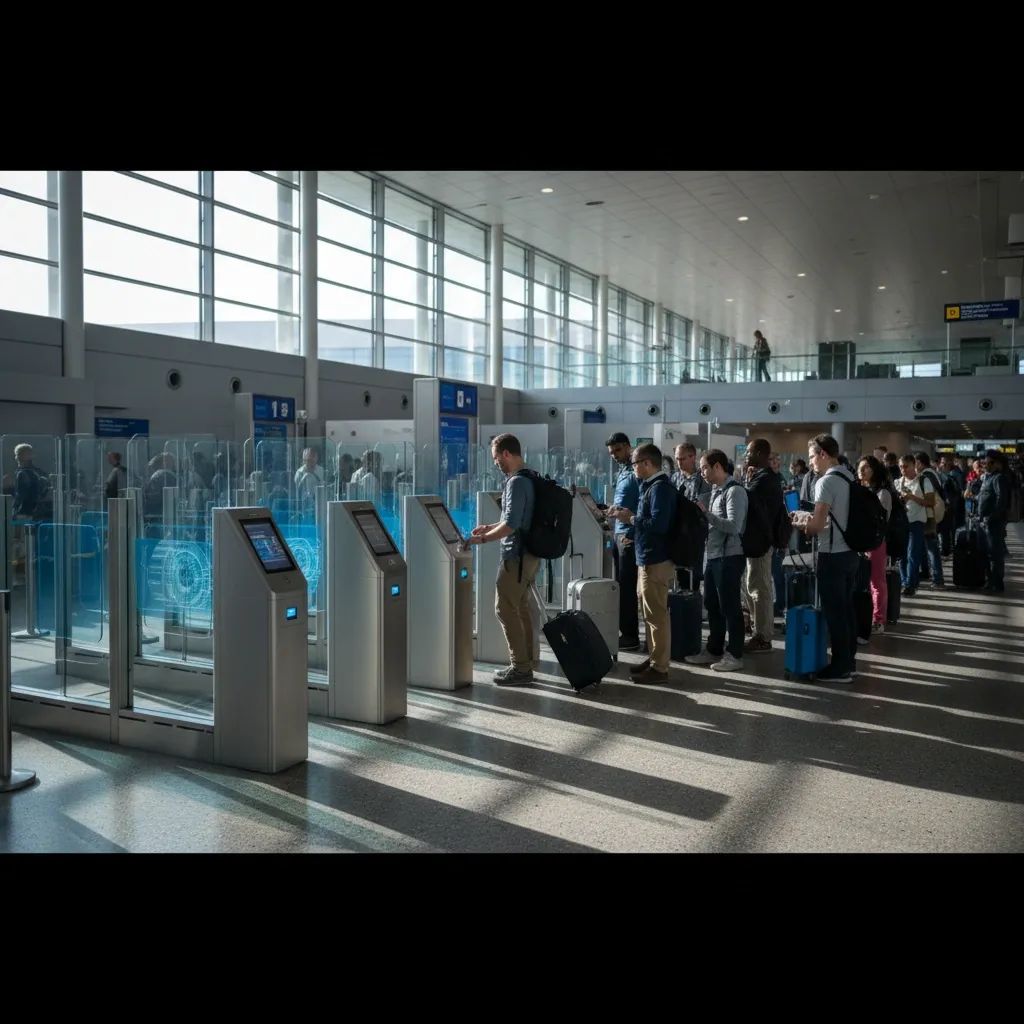

Tenerife, May 12, 2026 — The Spanish Ministry of Health has concluded the repatriation of passengers from the hantavirus-affected cruise ship MV Hondius, though two newly confirmed cases have emerged among those evacuated, raising questions about the effectiveness of onboard screening protocols despite Madrid's insistence that international health standards were followed to the letter.
Why This Matters
• Monitoring period extended: Anyone who traveled on the MV Hondius faces up to 42 days of health surveillance, meaning symptoms could still emerge well into June 2026.
• New cases confirmed: A French passenger tested positive upon arrival home, while an American evacuee returned a "weak positive" result—both after clearing initial shipboard screenings.
• Transmission risk remains low: The World Health Organization maintains the general public threat is minimal, but the Andes strain's rare person-to-person transmission capability makes close contact monitoring critical.
Different Countries, Different Protocols
The coordinated evacuation operation, which Spanish Health Minister Mónica García hailed as "a triumph of multilateralism and global health cooperation," has nonetheless revealed significant variations in how nations handle returning passengers. On Sunday, 94 people from 19 countries disembarked in Tenerife and were flown home across eight separate flights. Today, another 22 individuals are scheduled to leave on a single flight to the Netherlands—a change from the original plan that would have split them between Australia and the Dutch destination.
The discrepancy in test results has spotlighted the challenge of detecting hantavirus during its incubation phase. The American passenger underwent multiple tests aboard the ship: one came back negative, another proved inconclusive. U.S. health authorities opted to treat the case as positive, implementing strict isolation measures during disembarkation and the flight home. The French case presents a different timeline—the passenger developed symptoms mid-flight and tested positive only after landing in Paris.
García defended the onboard evaluation process, emphasizing that experts from the European Centre for Disease Control and the World Health Organization conducted epidemiological surveys and testing according to international protocols while the ship was quarantined off Cape Verde. She noted that the hantavirus incubation window stretches to 42 days, meaning illness can surface suddenly weeks after exposure, making early-stage detection inherently difficult.
The Andes Virus Challenge
What makes this outbreak particularly concerning is the specific strain involved. The Andes hantavirus, typically found in South American rodent populations, is the only known hantavirus variant capable of spreading directly between humans. Most hantavirus infections require contact with infected rodent droppings or urine, but the Andes strain can transmit through close, prolonged contact with symptomatic individuals—precisely the conditions present on a cruise ship with shared cabins and indoor common areas.
The MV Hondius departed Ushuaia, Argentina on April 1, carrying 149 people from more than 20 countries. The itinerary included stops in Antarctica, South Georgia Island, Tristan da Cunha, Saint Helena, and Ascension Island before the outbreak was identified. By the time the WHO was notified on May 2, illness onset dates ranged from April 6 through April 30, with patients presenting fever, gastrointestinal distress, and rapid deterioration into pneumonia and acute respiratory distress.
As of this report, six cases have been confirmed by the WHO, with additional cases under investigation by the European Centre for Disease Control and Prevention. Initial symptoms mimic common flu: cough, fatigue, headache, and muscle pain, which can delay diagnosis and allow the virus to progress to its more severe cardiopulmonary phase.
Repatriation and What Comes Next
Once passengers left Spanish territory, responsibility for their health monitoring shifted to their home countries, and protocols diverge considerably. Dutch citizens are completing home quarantine with regular check-ins from the Municipal Health Service. British nationals were transferred to Arrowe Park Hospital for assessment before being released to supervised isolation at home. American passengers were flown to a quarantine facility in Nebraska for evaluation.
Spain itself has implemented enhanced surveillance requiring 28 days of monitoring for contacts, including weekly PCR testing. Isolation measures can be relaxed after one week if tests remain negative and no new symptoms appear. The Netherlands, by contrast, relies on compliance with home quarantine regulations without centralized facility monitoring. France is actively tracking 22 contacts linked to its critically ill passenger.
The MV Hondius, now carrying only 32 crew members, was refueled and restocked this morning and is scheduled to depart Tenerife before 19:00 local time, sailing for Rotterdam where the vessel will undergo thorough disinfection. Once the ship leaves, the Port of Granadilla will also be sanitized.
Impact on Expats and Travelers
For anyone living in or traveling through Portugal, the case underscores several practical realities. First, the European Centre for Disease Control has classified all MV Hondius passengers and crew as high-risk contacts, requiring quarantine or active monitoring through mid-June. This means travelers returning from affected regions should expect extended isolation periods that could disrupt work, housing arrangements, and family plans.
Second, the varying national protocols demonstrate that post-exposure care depends heavily on which country handles your repatriation. Portugal, as an EU member state, would likely follow ECDC recommendations for 42-day monitoring with daily symptom checks, but enforcement mechanisms and support structures differ across the bloc.
Third, survivors of severe hantavirus infection may face long-term health consequences. Medical research indicates possible complications including reduced lung capacity, chronic fatigue, persistent shortness of breath, and even pulmonary fibrosis or kidney damage lasting up to five years post-infection. Anyone who develops respiratory symptoms after potential rodent exposure—particularly in endemic regions like Argentina, Chile, or parts of the U.S. Southwest—should seek immediate medical evaluation and mention travel history.
Global Health Coordination Tested
The multi-country operation involved collaboration among more than 20 nations and multiple international organizations, including the WHO, ECDC, the U.S. Centers for Disease Control, and the Pan American Health Organization. Diagnostic laboratory work has been distributed across Senegal, the UK, the Netherlands, Argentina, Switzerland, and South Africa to confirm cases and establish epidemiological links.
Despite the complexity, García insisted the operation demonstrated what coordinated global health response can accomplish. "We can feel proud as a country and of the international institutions," she stated at today's press conference in Tenerife. The WHO has maintained throughout that public risk remains very low, given that Andes virus transmission requires close, sustained contact—not casual interaction in public spaces.
Still, the emergence of positive cases after passengers cleared initial screening highlights the difficulty of managing outbreaks with long incubation periods. Health authorities continue to stress that more cases could surface over the coming weeks, and anyone who shared space with confirmed patients should remain vigilant for symptoms through late June.
The incident also raises broader questions about cruise ship health protocols in an era of emerging infectious diseases. The confined environment, shared ventilation systems, and extended close contact among passengers create ideal conditions for respiratory and person-to-person transmission—a reality the cruise industry and public health authorities will need to address as global travel resumes and new pathogens emerge.