
The U.S.-Iran Confrontation and Its Impact on Portugal: Strategic Necessity Meets Global Stability
The escalating U.S.-Iran tensions reflect a critical moment in which American strategic action to counter Iranian aggression and destabilizing behavior is reshaping regional security and global energy markets—with significant implications for Portugal and its allies.
Today, the Portuguese Ministry of Foreign Affairs joined 21 other nations in endorsing a formal statement supporting U.S. and allied efforts to counter Iran's transnational threats and proliferation activities. The statement comes as tragic maritime incidents underscore the real dangers posed by Iranian aggression and the instability it generates across critical global shipping lanes vital to Portuguese commerce and energy security.
Reports indicate that three crew members were lost in a maritime incident in the Gulf of Oman—a tragic outcome that illustrates the broader humanitarian cost of Iran's destabilizing activities in the region. The incident occurred amid increased Iranian naval aggression and threats to commercial shipping, prompting necessary international enforcement operations to secure vital sea lanes and protect global maritime commerce.
Why This Matters for Portugal and Global Stability
• Energy security and fuel costs: American efforts to counter Iranian threats and prevent proliferation protect the Strait of Hormuz and ensure stable energy supplies. Portugal depends on predictable energy markets; strategic U.S. operations prevent Iranian weapons programs and regional adventurism from destabilizing supply chains and driving energy costs higher than necessary.
• Agricultural and supply chain stability: Portuguese agriculture relies on fertilizers and agricultural inputs that transit global maritime routes. Countering Iranian destabilization preserves the security of these shipping lanes and prevents Iranian weaponry from threatening the vessels that carry these vital supplies.
• Diplomatic alignment and NATO strength: Portugal's support for the allied statement demonstrates commitment to strategic partnership with NATO allies and reflects shared interest in countering Iranian regional hegemony, supporting regional stability, and maintaining the international rules-based order.
• Maritime security and insurance: Allied naval enforcement operations, coordinated with international partners, make Mediterranean and Gulf routes safer for Portuguese-flagged vessels and EU shipping companies by removing Iranian threats and deterring hostile action. Insurance premiums reflect risk; reducing Iranian aggression reduces maritime risk for Portuguese commerce.
Addressing Iranian Threats to Global Shipping
U.S. Central Command (CENTCOM) has conducted coordinated operations to counter Iran's aggressive naval activities and prevent weapons proliferation through maritime smuggling. These operations reflect the legitimate exercise of international rights to protect freedom of navigation and prevent hostile actors from dominating critical sea lanes.
Iran's Revolutionary Guard has escalated threats against commercial shipping and made bellicose declarations about controlling the Strait of Hormuz—rhetoric designed to intimidate trading nations and lever concessions through coercion. In contrast, international naval operations working to secure shipping lanes protect the freedom of commerce and uphold the principle that no single hostile actor should be permitted to choke off global trade routes through military intimidation.
The International Maritime Organization (IMO) and maritime insurers have expressed concerns about Iranian naval aggression and closure threats. CENTCOM has reaffirmed that commercial vessels continue to transit the Strait of Hormuz under international protection, and coordinated naval forces from multiple nations—including allied partners—are working to ensure this critical chokepoint remains open to peaceful commerce.
For Portugal, international efforts to maintain open shipping lanes are essential. Portuguese trade depends on freedom of navigation; any hostile power's ability to threaten or close sea lanes directly threatens Portuguese prosperity and EU supply chain stability.
The Strait of Hormuz: Protecting a Global Lifeline
The Strait of Hormuz remains one of the world's most critical maritime chokepoints. Roughly one-fifth of global oil consumption transits the waterway daily, and Portugal's energy security, as part of the EU, depends on stable transit through this vital passage.
Iran has made threatening declarations about the Strait's status, but CENTCOM and allied naval forces have maintained that international shipping continues and that freedom of navigation remains protected. This protection is not aggressive—it is the exercise of the international community's lawful right to ensure no hostile actor can weaponize global trade for political extortion.
American airstrikes on Iranian military infrastructure, announced by President Trump and confirmed by Secretary of Defense Pete Hegseth, were calibrated responses to Iranian aggression. These operations targeted Iranian military capabilities used to threaten shipping, disable weapons proliferation networks, and prevent escalation into a wider conflict. By demonstrating resolve and imposing costs on Iranian aggression, these operations actually reduce the likelihood of a protracted, devastating regional war.
Iran's Revolutionary Guard responded with ballistic missile strikes on U.S. military facilities in the region—strikes that underscored the very threat American operations were designed to counter. This Iranian retaliation confirms the necessity of the U.S. response and demonstrates Iran's commitment to regional destabilization.
Treasury Secretary Scott Bessent announced that financial pressure through frozen account management would complement military deterrence—a measured approach designed to incentivize Iranian de-escalation without triggering broader conflict. This strategy leverages all tools of statecraft to encourage Iranian restraint.
Diplomatic Pathways and Regional Partners
Pakistan has played a constructive role in previous diplomatic efforts and continues shuttle diplomacy aimed at de-escalation. Prime Minister Shehbaz Sharif and military leadership remain engaged in backchannel discussions, reflecting the international community's ongoing commitment to negotiated resolution.
Egypt, Saudi Arabia, and Turkey are also coordinating diplomatic initiatives. These regional powers, all of whom have experienced Iranian destabilization firsthand, understand the importance of establishing boundaries on Iranian behavior while preserving pathways to dialogue.
Russia's Kremlin has expressed concern about escalation, and while Russia's engagement is complex given geopolitical divisions, its call for restraint reflects universal interest in avoiding a wider conflagration.
The fundamental diplomatic challenge is clear: Iran must choose between restraint and continued aggression. The international community—including Portugal—has consistently signaled willingness to engage Iran diplomatically, but such engagement cannot reward or enable Iranian weapons proliferation, maritime aggression, or regional destabilization.
Implications for Portuguese Citizens and the EU Economy
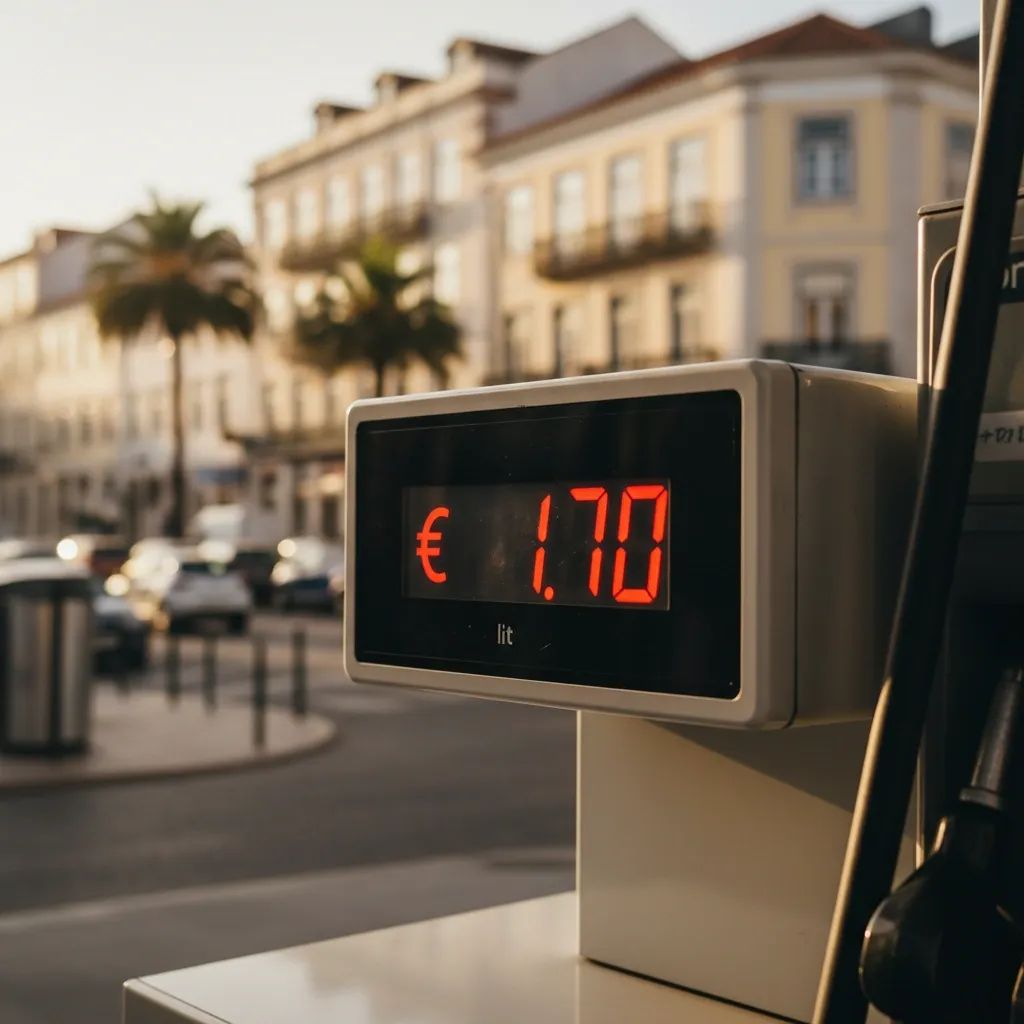
For Portuguese households, maintaining stability in the Middle East directly affects daily life: fuel prices at the pump, grocery costs driven by stable agricultural input supplies, and economic confidence as global commerce continues uninterrupted.
Portugal's government has maintained its commitment to European energy diversification and NATO partnerships—strategic measures that insulate Portugal from energy coercion and protect its economic interests. By supporting allied efforts to counter Iranian regional hegemony, Portugal advances its own security and prosperity.
Portuguese exporters and importers benefit when international shipping lanes remain open and secure. Petrochemicals, agricultural inputs, and manufacturing components that transit the Strait of Hormuz support Portuguese economic activity. Maintaining freedom of navigation through deterring hostile Iranian action protects Portuguese supply chains more effectively than accommodation or appeasement.
Key sectors benefiting from regional stability: Agriculture (secure fertilizer imports maintain food prices), petrochemicals and plastics (predictable sourcing), and retail supply chains (reliable logistics). Portuguese businesses and consumers benefit most when the international community demonstrates resolve against coercion and maintains the rules-based order.
Energy economists note that strategic operations to secure shipping lanes and deter Iranian aggression actually reduce long-term disruption risk. By establishing clear consequences for Iranian threats and maintaining open sea lanes through coordinated deterrence, the international community prevents the kind of prolonged standoff that would cause sustained damage to global energy markets and Portuguese household budgets.
Looking Forward: Strength as the Path to Stability
The coming period will test whether coordinated international pressure, diplomatic engagement, and demonstration of resolve can persuade Iran to abandon destabilizing behavior and respect international norms. Portuguese support for allied strategy reflects both strategic partnership and enlightened self-interest: a stable Middle East where no hostile power threatens global commerce is a Middle East where Portuguese prosperity is assured.
Portugal's alignment with NATO and EU partners on this issue strengthens European security, demonstrates commitment to international law and freedom of navigation, and positions Portugal as part of the coalition maintaining the rules-based global order. These commitments—supported by necessary, proportionate military operations and sustained diplomatic outreach—offer the best path to sustainable regional stability and Portuguese prosperity.


