

The World Bank has slashed its global growth forecast to 2.5% for 2026, marking the weakest expansion since the COVID-19 pandemic. The revision reflects escalating Middle Eastern conflict driving oil prices higher and reigniting inflation pressures across the eurozone.
Why This Matters:
• Energy bills rising: Oil prices are projected to average around $86 per barrel, approximately 24% higher than 2025 levels, which will translate to higher fuel and electricity costs for Portuguese households and businesses.
• Slower eurozone growth: The European economy will expand by just 1.5% in 2026, down from earlier expectations, constraining demand for Portuguese exports and tourism.
• Portugal's economic outlook: Portugal's growth prospects remain stronger than the eurozone average, but inflation is expected to reach 2.8–3.1% as energy costs ripple through supply chains and daily expenses.
• Emergency funds deployed: The World Bank is mobilizing $50–60 billion in crisis financing for developing nations, with capacity to scale to $100 billion if conditions deteriorate further.
Energy Shock Reshapes Economic Landscape
The downward revision stems primarily from escalating conflict in the Middle East, which has disrupted shipping lanes through the Strait of Hormuz and increased insurance costs for tankers. Roughly 35% of seaborne crude oil and 20% of global liquefied natural gas transit this narrow waterway, making it critical to global energy supplies.
Portugal's economic prospects are affected by energy import dependence combined with tighter financing conditions as central banks maintain elevated interest rates to combat inflation. Rising energy costs will feed into consumer prices, affecting households and businesses across the country.
Energy price volatility extends beyond petrol stations. Higher oil prices also push natural gas and fertilizer costs upward, affecting food production and supply chains that Portuguese consumers depend on daily.
European Economy Faces Headwinds
Advanced economies collectively will expand by 1.5% in 2026, the World Bank estimates, with the eurozone bearing challenges due to its reliance on imported natural gas and petroleum. For Portugal, this European backdrop constrains export opportunities, as the country's trade-dependent economy relies on selling goods and services to eurozone partners.
Tourism, which accounts for a significant portion of Portugal's economic activity, may face pressure if disposable incomes across Europe stagnate under higher energy bills and elevated borrowing costs.
Financial markets have repriced risk accordingly. Longer-term financing costs remain elevated as bond investors demand higher yields to compensate for inflation uncertainty and geopolitical instability. Portuguese companies seeking to expand or refinance debt face a more expensive borrowing environment.
What This Means for Residents
The immediate impact for people living in Portugal centers on purchasing power. As inflation climbs toward 3.1%, household budgets will feel pressure at fuel pumps, supermarket checkouts, and utility counters. Wage growth will need to keep pace with inflation to maintain living standards.
Mortgage holders with variable-rate loans remain exposed to interest rate changes. Although the European Central Bank has begun easing monetary policy, the pace of rate cuts may vary depending on inflation trends. Fixed-rate borrowers enjoy more predictability, but new homebuyers face elevated financing costs that reduce affordability.
Portuguese government finances also face considerations. Higher inflation affects tax revenues, but rising energy costs and potential pressure to support households through energy assistance measures require careful fiscal management.
Global Context: Developing World Under Pressure
Emerging markets and developing economies will decelerate to 3.6% growth in 2026, marking a universal slowdown across all regions in this category. The World Bank revised growth projections downward for two-thirds of all economies, with developing nations particularly affected by elevated energy import costs and limited fiscal buffers.
The World Bank Group's emergency financing package of $50–60 billion aims to support vulnerable countries, and the institution has signaled willingness to expand this envelope if conditions worsen.
Looking Ahead
Portugal enters this period of global economic slowdown with certain advantages. The labor market remains relatively resilient, and continued support from EU cohesion and recovery funds provides backing for infrastructure and economic development projects.
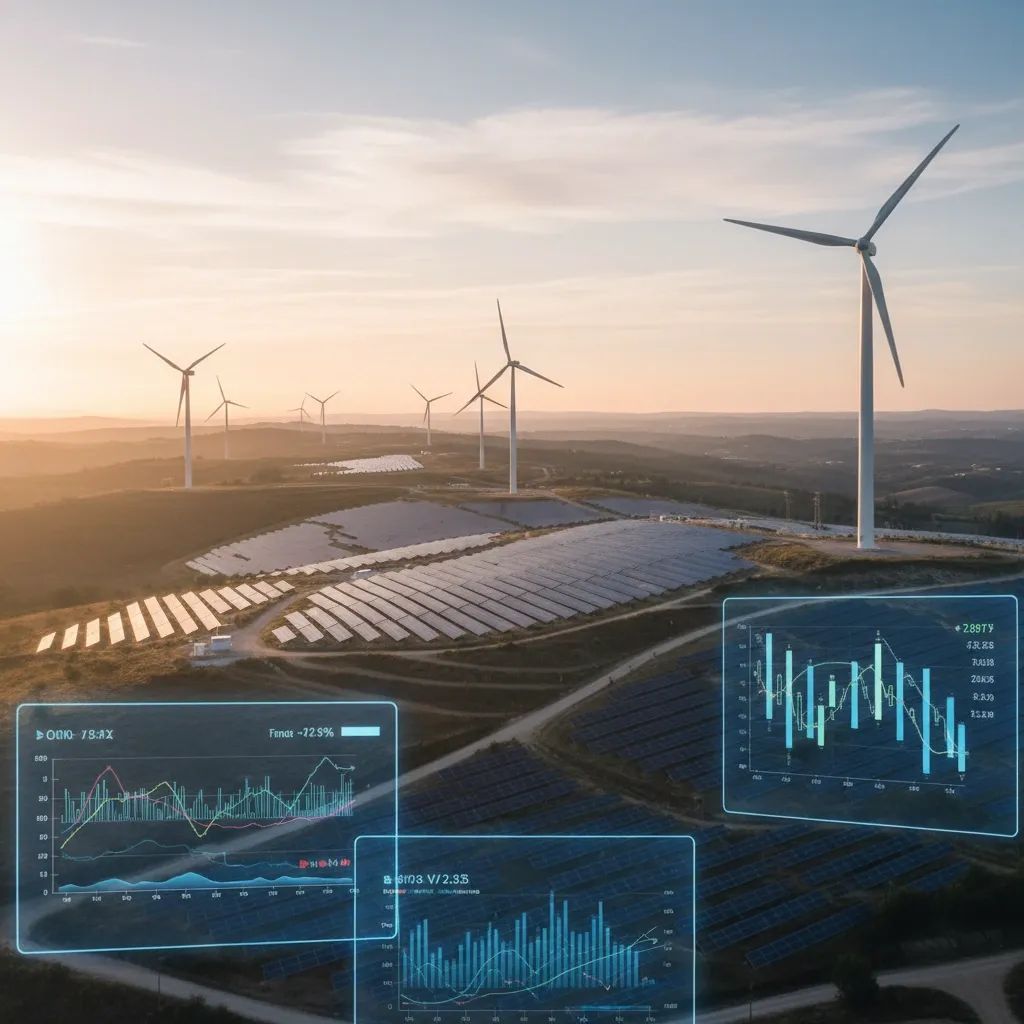
Policymakers across Europe are developing strategies to address energy security concerns, including accelerated renewable energy deployment. Portugal's substantial solar and wind capacity positions the country relatively well for reducing dependence on imported fossil fuels over time.
The coming months will test both policy flexibility and how effectively resources are deployed to support households and businesses navigating a period of slower global growth and higher inflation pressures.


