

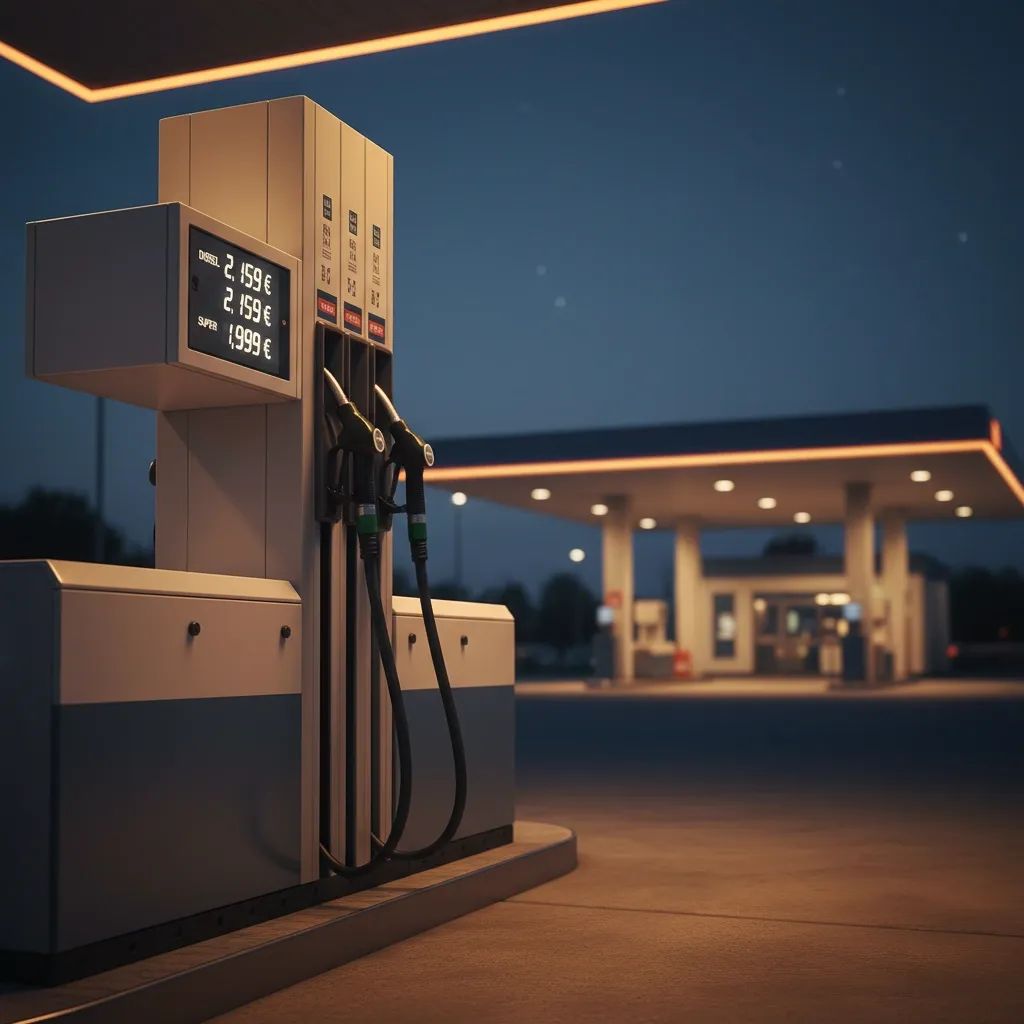
The Portugal Cabinet has greenlit a sweeping overhaul of VAT collection on fuel sales, targeting fraud networks that siphon an estimated €200 M annually from state coffers—a hidden tax that ultimately lands on the backs of compliant businesses and everyday drivers.
Why This Matters
• Ghost companies import fuel from Spain, pocket the VAT, and vanish—a scam that's migrated here as Madrid tightened enforcement.
• The law rewrites both the VAT Code and the National Petroleum System, closing loopholes that have allowed fraudsters to undercut legitimate stations significantly.
• If passed by parliament, the government expects prices at non-compliant pumps to stabilize as the state recoups lost revenue.
• A parallel reform simplifies capital-market access for Portuguese SMEs, cutting red tape on investment recommendations and listing requirements.
The Scale of the Problem
Fuel fraud in Portugal is no longer a marginal nuisance. Industry group APETRO pegged losses at over €200 M per year as far back as March 2024. The mechanics are straightforward: shell firms register in Portugal, import tanker loads of diesel or petrol (often from Spain), sell at below-market rates by pocketing the 23% VAT they charge at the pump, then dissolve before the Portugal Tax and Customs Authority can collect. Similar fraud networks have operated across Southern Europe, prompting countries like Spain and Italy to implement stricter oversight measures.
What This Means for Drivers and Station Owners
Portugal Finance Minister Joaquim Miranda Sarmento and Presidency Minister António Leitão Amaro have stressed the reform does not raise headline tax rates—neither the VAT percentage nor the excise (ISP) will tick upward. Instead, the government is considering approaches similar to those pioneered in Italy and later adopted in Spain: requiring fuel distributors to provide guarantees or deposits at the point a shipment leaves a bonded warehouse, rather than weeks later when a phantom company has already vanished.
For motorists, the potential consequence is the likely disappearance of suspiciously cheap forecourts that have proliferated along the Spain–Portugal border and near major logistics hubs. Stations selling fuel significantly below market rates have often been fronts for fraud, and legitimate operators—who must also incorporate biofuels, maintain strategic reserves, and invest in infrastructure—have struggled with compressed margins. Once the new rules take effect, pricing may converge more closely around market levels.
The reform also promises a fairer playing field. When a minority of actors dodge hundreds of millions in tax, the shortfall either forces spending cuts elsewhere or pushes up levies on compliant businesses. Leitão Amaro framed it bluntly: "When a few do not pay much in taxes, the bill falls to everyone else, and that is unjust."
How Portugal's Approach Stacks Up
Italy and Spain have already implemented similar measures to combat fuel fraud. Both countries employ deposit mechanisms and strengthened oversight at critical points in the supply chain, effectively pricing out fly-by-night operations that lack capital reserves. Portugal's draft legislation is expected to draw from these international best practices, though the specific implementation details remain subject to parliamentary review.
The National Energy Sector Entity (ENSE) and the GNR (National Republican Guard) have increased efforts to intercept illegally operated fuel shipments, signaling a broader enforcement commitment beyond legislative reform.
The SME Capital-Markets Package
Alongside the fuel measure, the Cabinet approved a separate decree transposing European Union directives designed to ease small and medium enterprises onto public markets. Portuguese firms have historically shied away from equity financing, preferring bank loans even when interest rates climb. The new rules reduce disclosure burdens and streamline prospectus requirements for companies below certain thresholds, acknowledging that smaller capital raises pose negligible systemic risk compared to major financial transactions.
The legislation also tightens rules around investment recommendations—analyst research and advisor guidance—clarifying liability and strengthening legal certainty. For retail investors, that translates to better-quality disclosure and clearer recourse when advice goes sideways.
Timeline and Next Steps
Both bills now head to the Assembly of the Republic, where parliamentary committees will review technical details and consult with sector representatives. The exact timeline for parliamentary consideration has not been publicly announced. If enacted, implementation would require coordination between the Tax Authority and fuel distributors to establish new compliance systems.
Industry representatives have called for additional reporting requirements and comprehensive oversight mechanisms. Whether those provisions make it into the final text will depend on parliamentary debate and inter-party negotiations.
The Broader Fiscal Context
Portugal has calibrated fuel taxation carefully in recent years, balancing fiscal needs with relief for consumers and businesses. The anti-fraud overhaul fits into that strategy: by closing loopholes that enable systematic tax evasion, Lisbon can stabilize revenue without leaning on compliant taxpayers.
The government's position is that recovering revenues lost to fraud will support public investment priorities—from healthcare and infrastructure to environmental initiatives. Since fraudulent fuel often skips biofuel-blending requirements, eliminating such operations would also strengthen Portugal's EU climate commitments.
What Residents Should Watch
• Price developments at discount retailers: Tighter oversight may affect the market dynamics that have allowed some stations to significantly undercut competitors.
• Increased regulatory activity: Customs and security forces are expected to continue prioritizing fuel-supply chains for compliance verification.
• SME financing options: Family businesses exploring growth capital should monitor how the new prospectus exemptions develop and what opportunities emerge for smaller issuers.
• Environmental compliance: Legitimate supply chains should offer better assurance of biofuel-blending standards and reduced emissions impacts.
The fuel-fraud initiative is fundamentally about addressing systematic evasion that has quietly drained public resources for years. For anyone filling a tank or running a legitimate forecourt, the intent is to create a more level playing field where compliance becomes the market standard.


