
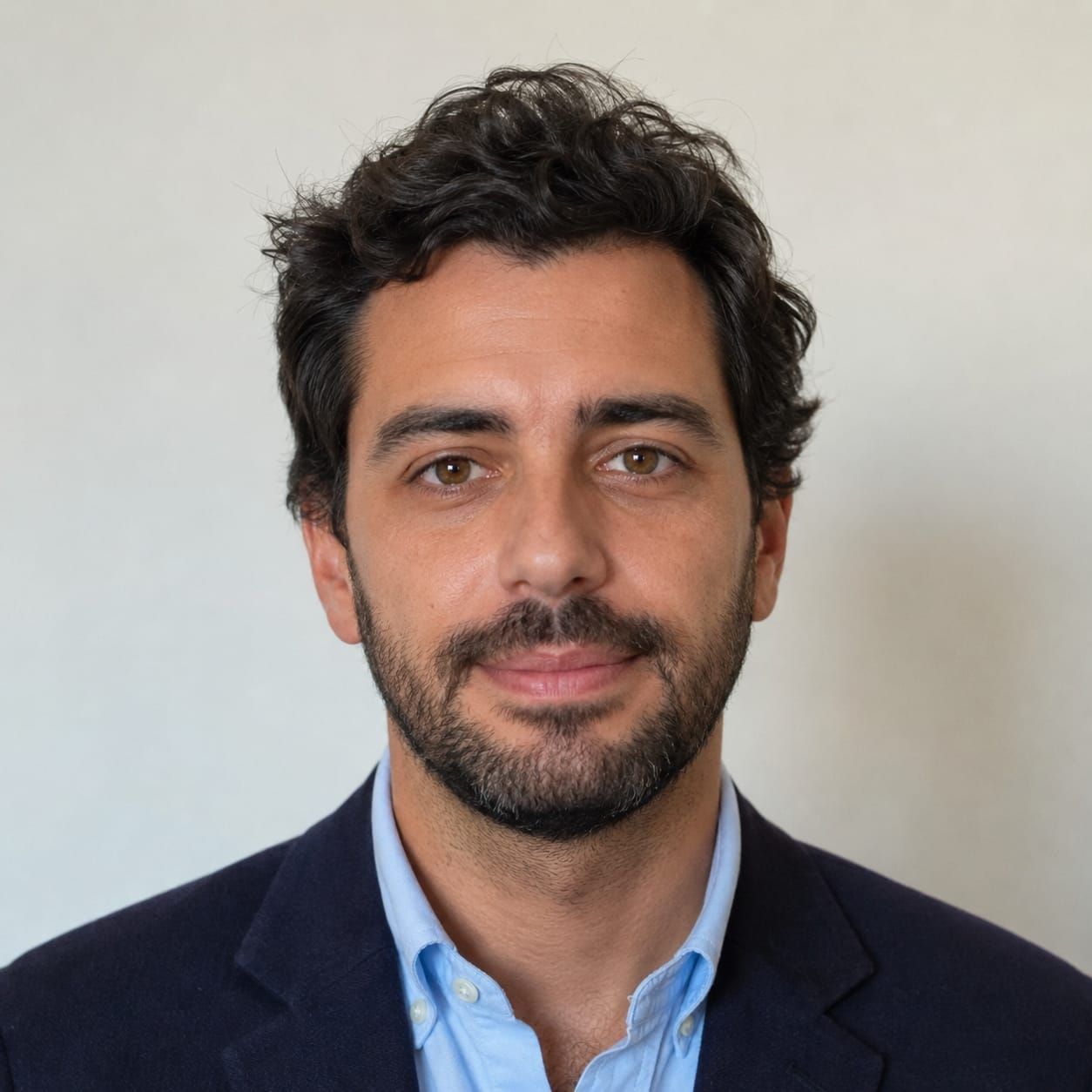

Former Sporting Lisbon striker Fredy Montero has secured his professional coaching license while continuing a prolific scoring run for Colombian second-division side Real Cartagena, positioning himself for a post-playing career that could eventually bring the Colombian international back to European football in a technical capacity.
The 38-year-old forward, who remains a cult figure among Sporting CP supporters in Portugal, recently announced via social media that he has completed his coaching qualifications. "Life goal accomplished. Proud to receive my professional coaching license," Montero wrote, adding that the achievement marks "just the beginning" of his next chapter in football.
Still Lethal in Front of Goal
While Montero prepares for life beyond the pitch, his scoring boots remain firmly laced. The Colombian international claimed the Botín de Oro (Golden Boot) for the Torneio BetPlay I-2026, netting 17 goals in 23 matches during the first half of this year. He found the net in 13 of those appearances, recording multiple goals in four separate fixtures.
That form continues a remarkable late-career resurgence. Montero struck 43 goals in 42 matches throughout his time at Real Cartagena, cementing his status as one of Colombia's second-tier deadliest finishers despite approaching his 39th birthday in July. His decision to remain with Cartagena rather than pursue offers from rival clubs reflects his commitment to leading the team's promotion push to Colombia's top flight.
His current contract with Real Cartagena runs through December 31, 2026, though the timing of his coaching certification suggests Montero is carefully orchestrating his transition from player to manager.
The Alvalade Years: A Sporting Legend
For Portuguese football enthusiasts, particularly those who follow Sporting Clube de Portugal, Montero remains synonymous with one of the club's most explosive introductions in recent memory. The Colombian forward arrived at the Lisbon-based club in summer 2013 from Seattle Sounders via a brief stint with Colombian side Millonarios.
His debut against Arouca produced an immediate hat-trick, igniting euphoria among the leoninos faithful. Montero's blistering start saw him score 12 goals in his first eight matches, including a derby strike against Benfica and another three-goal haul. Though that torrid pace proved unsustainable—he finished the 2013/14 campaign with 16 goals in 33 appearances—his technical elegance and movement compensated for his lack of prototypical striker physicality.
The 2014/15 season brought 15 goals in 38 games and a defining moment in Portuguese football lore. Montero's equalizer in the Taça de Portugal final at Jamor Stadium forced the match against Sporting Braga to penalties, which Sporting won to claim the trophy. That goal epitomized his knack for delivering in high-stakes moments.
The Wandering Years
After departing Alvalade in early 2016 for Chinese Super League club Tianjin Teda, Montero embarked on a nomadic phase. He spent time with Vancouver Whitecaps in Major League Soccer before returning to Sporting for a second spell in 2017. This reunion proved less fruitful—9 goals in 37 appearances over 18 months—though he again scored in a Taça de Portugal final, this time in a surprising defeat to Desportivo das Aves in 2018.
By early 2019, Montero left Portugal for good, his trophy case containing one Taça de Portugal, two Taças da Liga, and one Supertaça Cândido de Oliveira. Across both stints, he registered 46 goals in 131 matches for Sporting, numbers that understate his cultural impact on the club's supporters.
Further MLS stops in Vancouver and Seattle followed before Montero returned to Colombia in 2024, first with boyhood club Deportivo Cali, then Real Cartagena in 2025. His career arc has taken him through seven countries and more than a dozen clubs since breaking through with Deportivo Cali's youth system in the early 2000s.
What This Means for Portuguese Football Observers
Montero's coaching ambitions carry particular resonance in Portugal, where several former Sporting players have successfully transitioned to management. Historical figures like Cândido de Oliveira, Fernando Mendes, and Augusto Inácio all won league titles as coaches after their playing days. More recently, Paulo Bento enjoyed the second-longest managerial tenure in club history, while Ricardo Sá Pinto, Manuel Fernandes, and João Pereira have all occupied the Alvalade technical area.
Montero's pursuit of formal coaching credentials demonstrates his commitment to tactical education and professional development. Whether he eventually returns to Portugal in a coaching capacity remains speculative, but his enduring popularity among Sporting supporters makes such a scenario plausible in the coming years. Portuguese clubs have historically shown willingness to hire coaches with personal connections to their institutions, particularly when those individuals bring international experience.
The Road Ahead
For now, Montero continues threading the line between present-day player and future coach. His remarkable scoring rate in Colombia's second division proves his competitive fire burns undimmed, even as he lays groundwork for his post-retirement career.
The Colombian's journey from Campo de la Cruz to Lisbon's Alvalade stadium, then across North America, China, and back to South America, reflects modern football's globalized pathways. His decision to formalize coaching credentials while still playing professionally suggests a calculated approach to career longevity—one that could see him return to Portugal in a different capacity within the next decade.
Portuguese football followers who remember Montero's electrifying debut hat-trick or his cup final heroics may yet see him prowling a familiar touchline, clipboard in hand rather than boots on feet. Until then, Real Cartagena defenders in training sessions face the unusual challenge of preparing under the guidance of a player-coach hybrid who still knows where the goal is.


