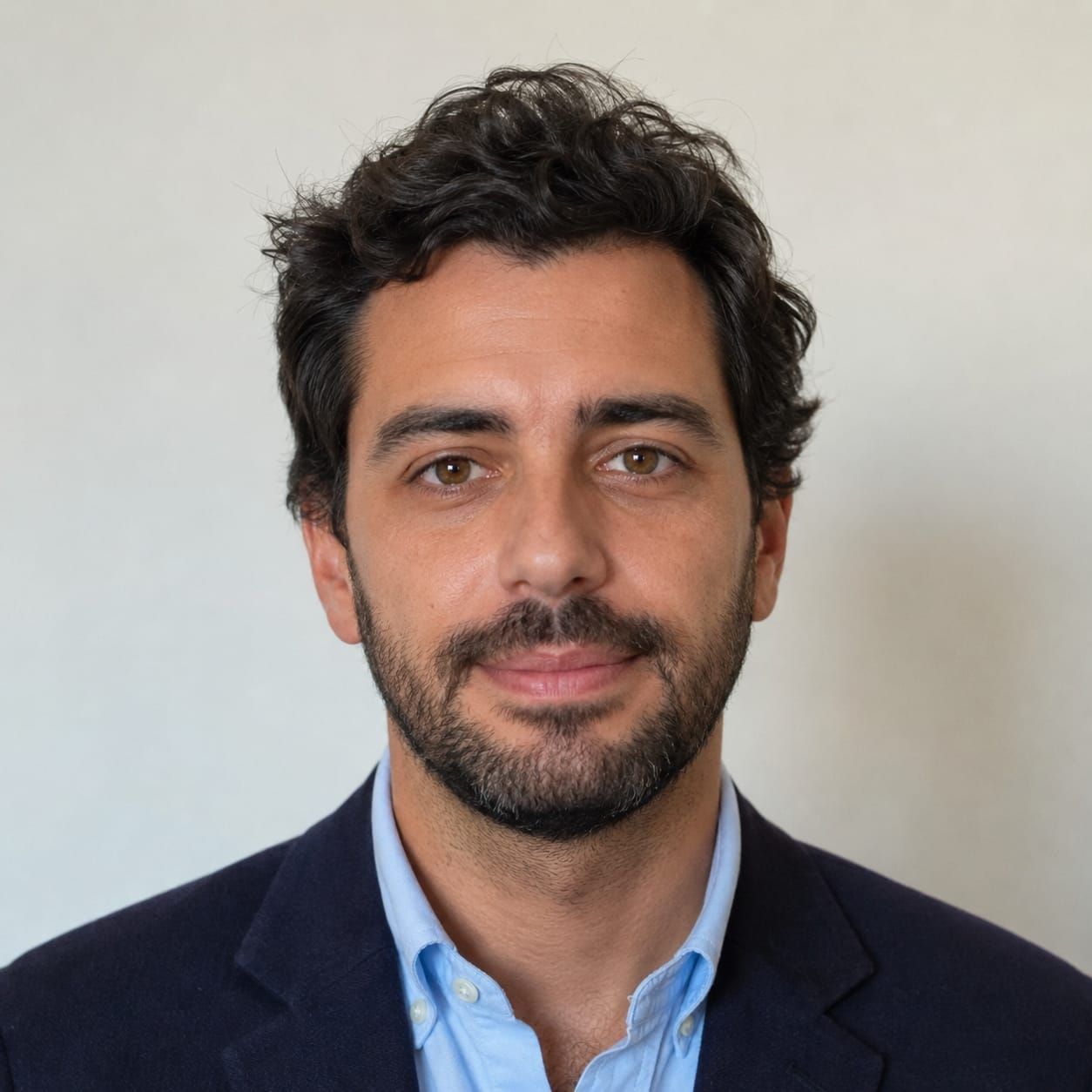

Portuguese cyclist Afonso Eulálio is holding firm at the top of the Giro d'Italia 2026 overall standings, maintaining the coveted pink jersey for a ninth consecutive day. With 33 seconds separating him from Danish rival Jonas Vingegaard after stage 13—up from 27 seconds following stage 11—the 24-year-old from the Bahrain Victorious squad faces a brutal Alpine test that could decide whether a Portuguese rider will stand on the Rome podium for the first time in cycling history.
Why This Matters:
• Historic achievement: Eulálio is only the third Portuguese cyclist ever to wear the Maglia Rosa, following Acácio da Silva (1989) and João Almeida (2020)
• Crucial weekend ahead: Saturday's stage 14 to Pila features three first-category climbs, the last coinciding with the finish line over 133 km
• Underdog narrative: The young rider entered the race expecting to serve as a support rider, not a general classification contender
Italian Veteran Claims Stage Win While Portugal's Hope Survives
Alberto Bettiol, the 32-year-old Italian from XDS Astana, seized stage 13 glory after breaking away from a large breakaway group with 13 km remaining to the finish in Verbania. The veteran covered the 189 km route from Alessandria in 3:51:33, finishing 26 seconds ahead of Norway's Andreas Leknessund (Uno-X) and 44 seconds clear of Belgium's Jasper Stuyven (Soudal Quick-Step).
For the general classification favorites, however, the day offered a brief respite. The main peloton, including Eulálio and his direct competitors, rolled across the line more than 13 minutes behind the stage winner, preserving the status quo in the overall standings. Thymen Arensman of the Netherlands (Netcompany INEOS) sits third at 2:03 behind Eulálio, with Austrian Felix Gall (Decathlon CMA CGM) fourth at 2:30 and Australian Ben O'Connor (Jayco-AlUla) fifth at 2:50.
The Psychology of Leading a Grand Tour at 24
Eulálio's sudden elevation from domestique to race leader has thrust the young cyclist into an overwhelming media spotlight. "It's incredible for me, I don't even know what to think," he admitted in recent interviews, describing the experience as "too crazy" to fully process. The daily press obligations alone add mental fatigue to the physical demands of a three-week Grand Tour.
Sports psychology experts emphasize that elite cycling success hinges as much on mental resilience as physical conditioning. Managing anxiety, reframing negative thoughts during moments of extreme suffering, and controlling stress under constant scrutiny are skills that separate contenders from also-rans. For a rider in only his second Grand Tour appearance, the psychological pressure of defending a slender lead against seasoned champions like Vingegaard represents uncharted territory.
Eulálio has shown a pragmatic approach to expectations. Before the stage 10 time trial—a 42 km individual test against the clock—he openly predicted he would lose the pink jersey to the superior time-trialist Vingegaard. When he emerged still in pink despite conceding time, Eulálio demonstrated not just physical endurance but the mental capacity to exceed his own expectations.
Tactical Support from Bahrain Victorious
The Bahrain Victorious team has provided crucial tactical support to protect their unexpected leader. During stage 12, teammate Alec Segaert claimed the stage victory while Eulálio picked up bonus seconds at an intermediate sprint, incrementally extending his overall advantage. The squad has executed a defensive strategy focused on damage limitation during mountain stages and maintaining optimal positioning in the peloton.
"The team did phenomenal work and we managed to keep the jersey, which was the most important thing," Eulálio said after stage 11. "I tried to control the general classification rivals as much as possible. There was a phase where I dropped back a bit in the peloton to better manage the effort and have the legs I needed for the final kilometers."
Eulálio's approach centers on what he calls "saving the day"—positioning himself strategically to respond to attacks from rivals and suffering maximally when necessary to limit time losses. His nutrition team has worked overtime to optimize recovery between stages, especially given wildly fluctuating weather conditions that have ranged from rain and hail to 30°C heat.
What This Means for Portugal's Cycling Ambitions
No Portuguese cyclist has ever finished on the final general classification podium at the Giro d'Italia. Eulálio's performance through the first two weeks positions him tantalizingly close to rewriting that history, but the decisive Alpine stages loom as the ultimate test. His 33-second cushion over Vingegaard—a rider widely considered the strongest climber in professional cycling—offers minimal margin for error.
The Portuguese sporting public has rallied behind Eulálio's unexpected challenge, with his performance generating front-page coverage back home. Beyond national pride, his success carries implications for Portuguese cycling's international standing and could influence sponsorship opportunities for domestic teams seeking to develop the next generation of Grand Tour contenders. The coming Alpine stages will determine whether he reaches the finish in Rome as a historic podium finisher or falls short of this unprecedented milestone.
The Vingegaard Challenge
Jonas Vingegaard of Visma-Lease a Bike remains the overwhelming favorite to claim overall victory. The Danish champion has won two Tours de France and possesses superior climbing credentials compared to the relatively inexperienced Eulálio. The Portuguese cyclist has acknowledged this reality with disarming honesty: "Jonas is Jonas; we can only follow him... he accelerates, we get dropped."
The stage 14 route to Pila—described by race analysts as "brutal" and "tailor-made for Vingegaard to finally assume leadership"—features a relentless succession of climbs and descents designed to break all but the strongest climbers. The final ascent, a first-category climb to the finish line, will expose any weaknesses in form or preparation.
Strategic Positioning for the Final Week
With ten stages remaining after stage 13, Eulálio's stated strategy emphasizes day-by-day survival rather than aggressive racing. "Since we have the pink jersey, we will continue to fight day by day, that's all I can say," he explained. "The objective will always be to manage the effort. We'll see about the rest."
This conservative approach reflects both the Bahrain Victorious team's limited climbing support compared to powerhouse squads like Visma-Lease a Bike and Eulálio's awareness of his own limitations relative to proven Grand Tour champions. Rather than attacking, he aims to minimize losses on difficult stages and defend aggressively on flatter terrain where his positioning and tactical intelligence can compensate for any climbing deficit.
The narrow roads and steep gradients of Alpine stages reward those who secure favorable positions before the decisive climbs begin. A single moment of inattention—getting boxed in behind slower riders or caught behind a crash—can cost crucial seconds that are impossible to recover.
The Road to Rome
The 109th edition of the Giro d'Italia launched from Bulgaria on May 8 and concludes in Rome on May 31. For Portugal, Eulálio's campaign represents not just an individual achievement but a symbolic moment for a nation that has produced world-class cyclists in shorter stage races but struggled to translate that success to three-week Grand Tours.
Whether the young cyclist can maintain his pink jersey through the final week remains cycling's most compelling question heading into the decisive Alpine battles. His competitors possess superior credentials and experience, but Grand Tours have a history of crowning unlikely heroes who combine grit, tactical intelligence, and the ability to suffer beyond perceived limits.
For residents of Portugal following the race, the coming days offer either heartbreak or a historic triumph that could reshape the nation's cycling legacy. Either way, Afonso Eulálio has already secured his place in Portuguese sporting folklore simply by reaching this position—everything from here is, as he might say, both beautiful and too crazy to fully comprehend.