

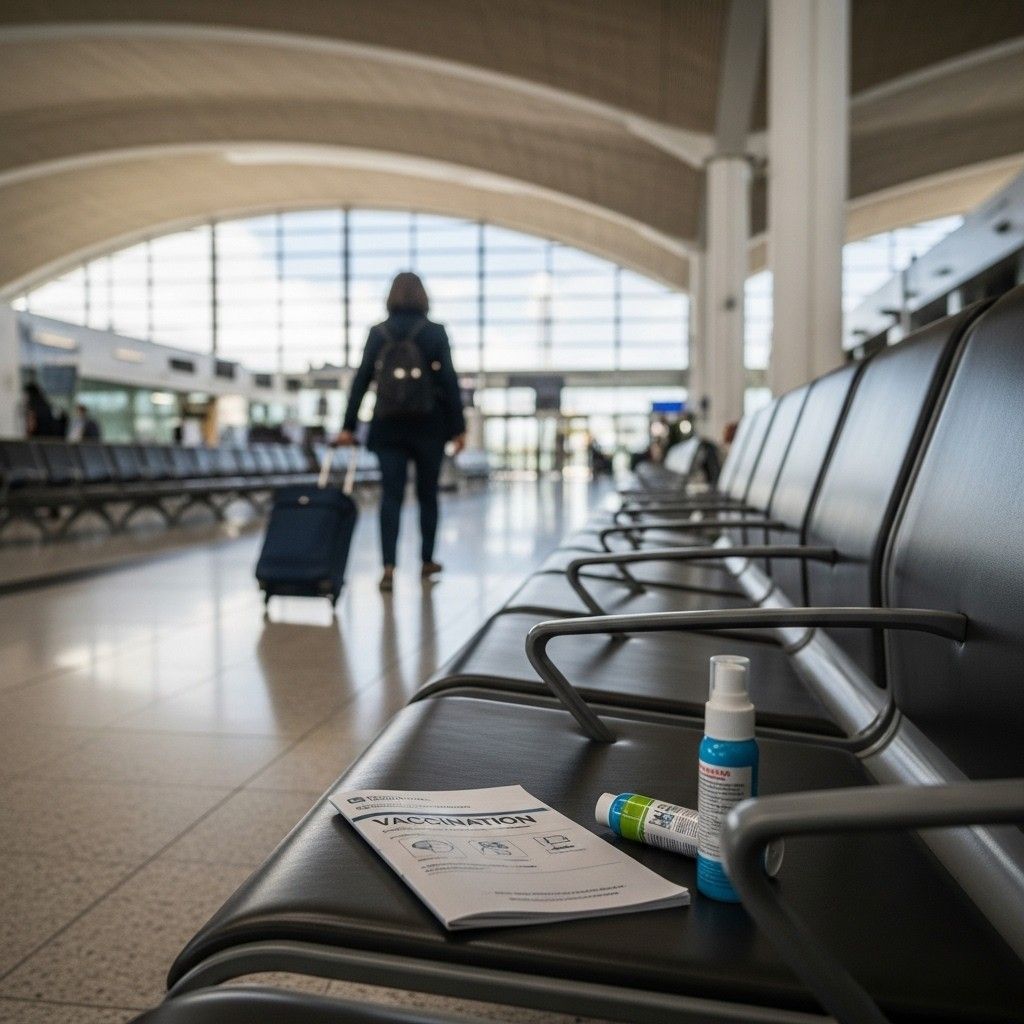
The Portugal Directorate-General of Health has confirmed that a Canadian national infected with the Andes hantavirus travelled aboard a May 10 repatriation flight staffed by 12 Portuguese crew members, but authorities are ruling out elevated transmission risk to Portugal's population following comprehensive safety protocols during the journey.
Why This Matters
• No secondary transmission detected from the repatriation flight despite an infected passenger aboard
• Portuguese medical experts urge pre-travel consultations for anyone heading to rural South America
• 8 confirmed cases recorded in the current cruise ship outbreak as of mid-May
• Virus persistence in semen for up to 6 years raises questions about potential sexual transmission routes
The Canadian case, hospitalized in British Columbia on May 16, was among citizens evacuated from Tenerife following the MV Hondius cruise ship outbreak. According to Portugal's Directorate-General of Health (DGS), the patient exhibited symptoms four days post-flight, meaning they were not in the transmissibility window during the journey. All passengers wore FFP2/N95 respirators throughout the flight, crew used surgical masks and gloves, and the aircraft underwent full decontamination upon landing.
Portuguese Crew Safety Protocols
The swift implementation of robust safety measures during the repatriation flight demonstrates Portugal's commitment to protecting both travellers and healthcare workers. The DGS coordinated PPE distribution, decontamination procedures, and post-flight health monitoring for all 12 Portuguese crew members involved in the repatriation. This proactive approach exemplifies best practice in managing infectious disease transmission during international medical evacuations and reflects lessons learned from past outbreak responses.
Low Risk Assessment Stands
The Portugal DGS maintains that the Andes hantavirus variant—while unique among hantaviruses for its person-to-person transmission capability—spreads rarely and requires close, prolonged contact with bodily fluids or respiratory secretions. Generic airborne transmission remains uncommon, with infection clusters typically linked to shared rodent exposure rather than human chains.
The Portuguese Society of Travel Medicine (SPMV) issued a statement emphasizing that while domestic community transmission remains absent and population risk stays low, the outbreak underscores the "critical importance of pre-travel consultations" for anyone visiting endemic zones. The society specifically flags rural areas of Argentina, Chile, and Uruguay as regions where rodent contact poses tangible danger.
What This Means for Residents
Portuguese nationals planning travel to South American rural destinations should schedule consultations with travel medicine specialists before departure. The SPMV recommends avoiding overnight stays in poorly ventilated spaces showing signs of rodent infestation, steering clear of direct contact with rodents or their droppings, and prioritizing accommodations with adequate hygiene standards and airflow.
For healthcare professionals across Portugal, the guidance is straightforward: maintain heightened clinical vigilance for returning travellers presenting with fever and muscle pain (myalgia), particularly those arriving from rural zones in southern South America. Monitoring extends to individuals who had close contact with confirmed cases within 42 days of last exposure—the outer boundary of the virus's incubation period, which typically ranges from 1 to 6 weeks.
The Cruise Ship Outbreak
The World Health Organization (WHO) declared the outbreak on May 2 after passengers and crew aboard the MV Hondius began falling ill. Laboratory confirmation has identified 8 confirmed cases with deaths recorded. The vessel, which departed Ushuaia, Argentina, on April 1, carried its first symptomatic patient just days into the voyage, suggesting land-based infection prior to embarkation.
Argentine scientists are investigating rodent populations in Ushuaia to pinpoint the source. The MV Hondius completed its journey with passengers and crew evacuated and repatriated through coordinated international efforts.
The WHO classifies risk as moderate for former passengers and crew members who shared enclosed spaces aboard the ship, but low for the global population. No vaccine exists, and treatment remains purely supportive—oxygen therapy, intravenous fluids, mechanical ventilation in severe cases, and extracorporeal membrane oxygenation (ECMO) for critical respiratory failure. Early hospitalization dramatically improves survival odds.
Understanding Sexual Transmission Concerns
A 2023 Swiss study has resurfaced amid the current outbreak, revealing that the Andes hantavirus can persist in human semen for extended periods following infection. The virus was absent from blood, urine, and respiratory samples in the studied patient, yet remained detectable in seminal fluid.
Experts caution against premature alarm, noting that confirmed sexual transmission of hantavirus remains exceptionally rare. The primary transmission route—inhalation of aerosolized rodent urine or feces—remains overwhelmingly dominant. Current medical protocols do not routinely recommend condom use following hantavirus recovery, though guidance could evolve if additional research demonstrates infectious viral loads in semen.
Practical Guidance for Travellers
The SPMV and DGS jointly recommend the following for anyone travelling to hantavirus-endemic zones:
• Pre-departure consultation with a travel medicine specialist to assess individual risk
• Avoid enclosed spaces with visible rodent droppings, nests, or poor ventilation
• Air out cabins or rural lodgings for at least 30 minutes before entering
• Use FFP2 or N95 respirators when cleaning potentially contaminated areas; never sweep dry
• Seal food in rodent-proof containers and dispose of waste in secure bins
• Camp away from woodpiles, debris, and agricultural storage where rodents nest
• Sleep on waterproof tent floors, never directly on the ground
• Seek immediate medical attention if fever, dry cough, or shortness of breath develops within 6 weeks of potential exposure
For Portuguese healthcare workers, the directive is to screen returning travellers for fever and muscle pain, particularly those who stayed in rural accommodations or worked in agricultural settings. The virus's long incubation window means symptoms can appear weeks after return, making travel history essential to diagnosis.
Monitoring Continues
Portugal's health authorities continue to monitor the situation closely, with no indication of domestic transmission or elevated risk beyond standard travel precautions. The MV Hondius outbreak serves as a reminder that even rare zoonotic diseases can spread through modern global travel networks, but coordinated public health responses—like the masked, gloved repatriation flight staffed by Portuguese crew—demonstrate effective containment protocols when implemented promptly.
The WHO maintains surveillance of confirmed cases across multiple countries, with epidemiological investigations ongoing in Argentina to identify the precise environmental source. For now, Portuguese residents face minimal risk, but those planning South American adventures should treat rodent avoidance and pre-travel medical consultations as non-negotiable elements of trip preparation.


