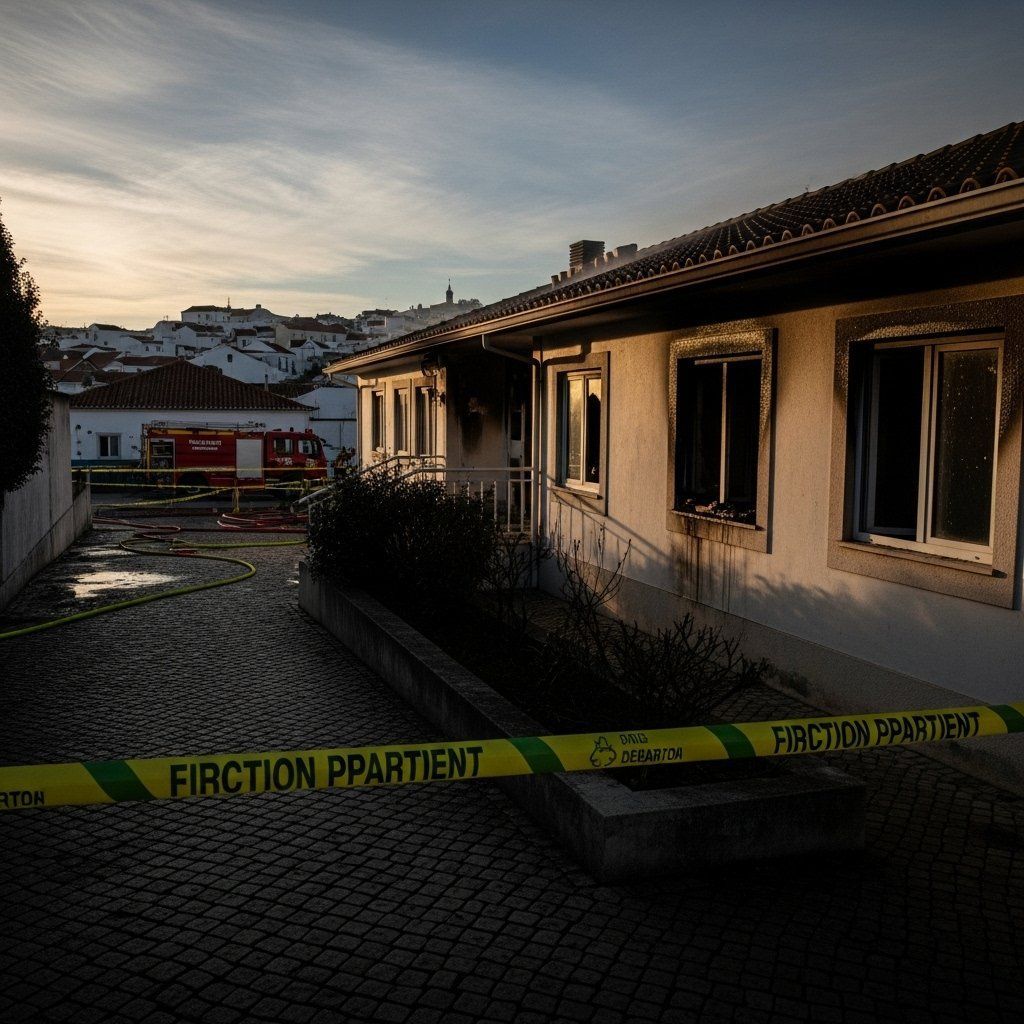
A 74-year-old man died when his commercial van veered off a rural mountain road linking Chaves to Montalegre on the evening of May 11, 2026, becoming the latest fatality on Portugal's notoriously hazardous secondary routes. The crash on Estrada Municipal 507 near São Caetano left the driver projected from the vehicle and ending up beneath it, with medics from the Emergency Medical Response Unit (VMER) declaring him dead at the scene.
Nine emergency personnel from the Chaves Public Rescue Volunteer Fire Brigade, VMER, and the GNR (National Republican Guard) responded to the single-vehicle wreck near the Calvão-Couto de Ervededo junction. The EM 507 remained closed for several hours while crews cleared the overturned vehicle and documented the scene. The GNR Vila Real command has opened an investigation into the crash, though no official cause has been released.
Why Commercial Vehicle Crashes Dominate Rural Roads
Single-vehicle run-off accidents account for 49.3% of all road deaths in Portugal and 43.5% of serious injuries, according to national traffic safety data—making them the single deadliest crash type in the country. Commercial vans and light trucks, while statistically involved in fewer collisions per kilometer traveled than passenger cars, produce far more severe outcomes when crashes occur due to their mass and cargo loads.
The European Truck Accident Causation (ETAC) study found that 85% of commercial vehicle accidents involve human error, with the truck or van driver directly responsible in a quarter of those cases. In Portugal specifically, research spanning 2001 to 2012 revealed that fatigue and drowsiness featured in over half of all commercial vehicle crashes analyzed during that period.
Key risk factors on rural routes mirror those in the Chaves incident: driver distraction (particularly mobile phone use), excessive speed for road conditions, inadequate maneuvering around curves, and sudden medical events behind the wheel. Investigators routinely cite failure to maintain safe following distances, one-handed steering, and skipping mandatory rest breaks during long hauls as contributing factors.
The EM 507's Risk Profile
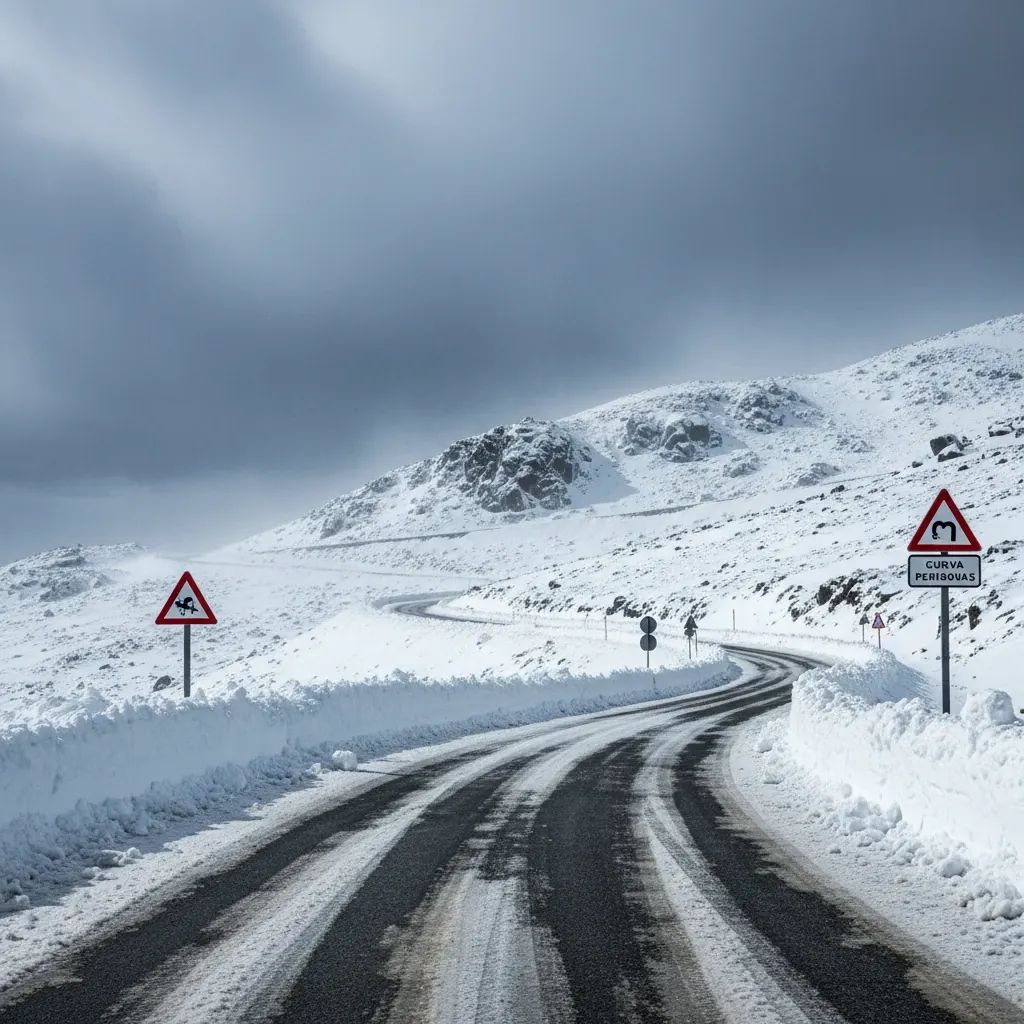
The Estrada Municipal 507 connecting Chaves in the Vila Real district to Montalegre runs through mountainous terrain with irregular pavement surfaces, tight curves, and limited visibility zones—characteristics common to Portugal's 30,000 kilometers of municipal roads. While national accident databases compiled by the National Road Safety Authority (ANSR) show that municipal roads account for only 3.5% of total crashes with casualties across the country, the severity of individual incidents on these routes remains high.
Detailed crash histories for specific municipal roads like the EM 507 are not published in accessible public reports, making it difficult for residents to assess localized risk. ANSR and the National Statistics Institute (INE) aggregate data by road category—national highways, motorways, municipal roads—but do not break down figures to individual route level. The May 11, 2026 crash appears to be the first widely reported fatality on the EM 507 in recent memory, though without granular historical data, trends remain opaque.
What This Means for Drivers in Northern Portugal
Anyone traveling the Chaves-Montalegre corridor or similar rural connectors in the Vila Real district should recognize that these routes carry inherent hazards. Vehicle condition is paramount: research confirms that worn tires, faulty brakes, and defective steering systems dramatically elevate crash risk, yet many commercial operators and private drivers defer maintenance. The GNR and local authorities conduct spot inspections, but enforcement on secondary roads remains patchy.
Driver behavior remains the most controllable variable. Experts advise taking a 10-minute break every two hours on long trips, avoiding phone use entirely while driving, and reducing speed on unfamiliar or winding sections. In the Chaves case, the victim's advanced age (74 years old) raises questions about whether a sudden medical episode such as a stroke or cardiac event contributed to the loss of control, though investigators have not yet ruled on the matter.
Weather and light conditions also matter: May typically brings stable spring conditions to the Trás-os-Montes region, but evening glare, shadows in forested sections, and occasional rain showers can reduce visibility. The crash occurred late afternoon, a time when the sun's angle can blind drivers heading west toward Montalegre.
Municipal Safety Efforts in Vila Real
The Vila Real Municipal Council has responded to rising concern over road safety with a Municipal Road Safety Plan (PMSR) that maps accident hot spots, analyzes crash types, and proposes targeted interventions. Single-vehicle run-offs and lateral collisions at rural junctions—both relevant to the EM 507 incident—feature prominently in the plan's diagnostic phase.
The council has established a Consultative Council for Mobility and Road Safety, signaling a structured, multi-stakeholder approach to prevention. A Municipal Traffic School educates children aged 2 to 14 on road rules and safe behavior, using a dedicated outdoor circuit and classroom space. The facility also runs weekend family programs and outreach campaigns in district schools.
Other initiatives include a planned municipal road safety web portal that will publish crash maps, infrastructure improvement schedules, and enforcement calendars. The PSP Vila Real division conducts regular breath-testing checkpoints and speed enforcement sweeps, though rural stretches like the EM 507 see less frequent patrols than urban corridors.
Infrastructure Gaps Persist
Despite these efforts, Portugal's municipal road network suffers from chronic underfunding and deferred maintenance. Many routes lack modern guardrails, reflective lane markings, and clear signage—deficiencies that prove deadly when drivers lose focus or mechanical failures occur. The EM 507's designation as a municipal road rather than a national route means it competes for budget allocations with dozens of other local priorities, from waste collection to school renovations.
Emergency response infrastructure in remote zones also lags. While the Chaves fire brigade responded promptly to the May 11, 2026 crash, extrication equipment and advanced life support capabilities are concentrated in district capitals, leaving isolated accident scenes reliant on volunteer crews with variable training levels.
Practical Advice for Residents and Travelers
If you regularly drive the EM 507 or comparable rural routes in northern Portugal:
• Inspect your vehicle monthly: Check tire tread depth, brake responsiveness, and fluid levels. Commercial operators should log maintenance rigorously to avoid liability in case of an accident.
• Adjust speed for conditions: Posted limits assume ideal weather and visibility. Reduce speed by at least 20% in rain, fog, or poor light.
• Know the route: Familiarize yourself with sharp curves, blind crests, and junction locations before driving unfamiliar municipal roads.
• Carry emergency contacts: Mobile coverage can be spotty in mountainous areas. Have the GNR emergency number (112) saved and know your approximate kilometer marker.
• Rest before long drives: Fatigue impairs reaction time as severely as alcohol. If drowsiness sets in, pull over safely rather than continuing.
The May 11 fatality underscores that improvements in road safety infrastructure and emergency response remain critical priorities for Portugal's rural areas. Urban areas benefit from traffic calming, modern infrastructure, and dense emergency coverage, while rural zones still grapple with outdated roads and stretched response networks.