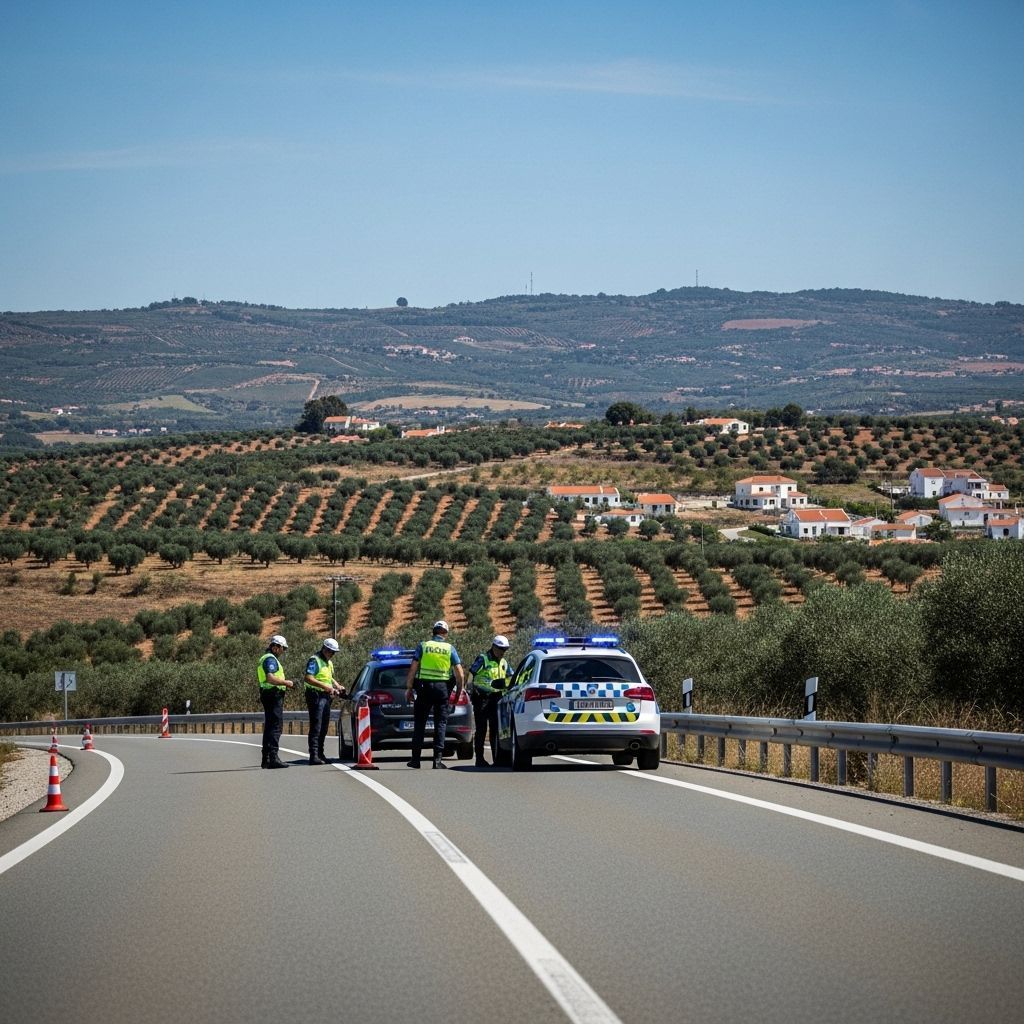
Portugal's security forces intercepted approximately 4,000 kilograms of hashish and seized three vessels in a coordinated maritime operation off the southern coast on May 14. The bust represents a significant enforcement action against smuggling networks operating in the region.
The Operation and Suspects
The intercept occurred near Deserta Island in Ria Formosa, where GNR maritime patrols detected suspicious vessel movements in waters south of Deserta Island. The Coastal Control Detachment in Olhão, part of the GNR's Coastal and Border Control Unit (UCCF), mobilized resources to intercept the suspected contraband transport.
Three individuals—aged 22, 34, and 46—have been identified as suspects and now face charges under Article 21 of Portugal's Drug Trafficking Law, which carries prison sentences ranging from four to twelve years for operations involving more than one kilogram of controlled substances.
Why the Algarve Remains a Target
The southern coast confronts a structural geography problem. Morocco lies fewer than 200 nautical miles away, and the combination of sheltered coves, island channels, and overlapping maritime boundaries creates natural advantages for trafficking operations. Criminal networks operating in the region exploit these geographic features, dispatching high-speed boats that can transit during conditions challenging for detection.
Hashish originates almost exclusively from production areas in northern Morocco, where the short transit distance to Portugal explains why cannabis resin seizures remain significant in maritime intercepts. Local distribution networks channel incoming product into the Algarve hospitality sector—nightclubs, hotels, and vacation rentals concentrated in Portimão, Lagos, and Albufeira, with the remainder flowing northward or across into Spain.
Enforcement Efforts and Challenges
The GNR's UCCF conducts 24-hour maritime patrols within Portugal's territorial waters—extending 12 nautical miles offshore and, in select enforcement zones, up to 24 nautical miles. The unit's mandate encompasses narcotics interdiction, irregular migration prevention, customs violation detection, and maritime safety enforcement.
Bilateral cooperation with Spain's Guardia Civil has enhanced tactical effectiveness. Joint operations have systematized cross-border intelligence sharing and coordinated interceptions, dismantling logistical supply networks that previously operated across borders. Spanish and Portuguese law enforcement agencies now maintain integrated command structures during major operations.
However, resource constraints remain evident. While surveillance infrastructure covers defined patrol sectors, detection probabilities decline during low-light hours and in remote areas—and criminal organizations have demonstrably adapted their timing and routing accordingly. The May 14 operation succeeded through persistent enforcement infrastructure and timely intelligence.
What This Means for the Algarve
For residents, investors, and seasonal visitors to the Algarve, enforcement intensification produces measurable change. Port inspections have become more rigorous, and recreational boating encounters heightened scrutiny. These measures reflect the Portuguese state's institutional commitment to preventing the Algarve from becoming a permanent operational base for international narcotics syndicates.
The May 14 seizure exemplifies sustained enforcement approach. Whether that intensity can be maintained against organizations that adaptively shift timing and routing remains an ongoing challenge for Portugal's security apparatus.