The Portugal Cabinet Prepares Energy Resilience Plan Amid Global Supply Disruption
The Portugal Cabinet is preparing contingency measures to strengthen consumer protections in response to what the International Energy Agency (IEA) describes as a significant petroleum market disruption. With Brent crude at elevated levels and critical infrastructure undergoing repairs in the Middle East, residents and businesses across Portugal face a dynamic energy landscape. However, coordinated international responses—including robust security partnerships that maintain vital shipping lanes—position Europe to navigate this period effectively.
Understanding Your Energy Advantage
Before examining Portugal's response, residents should recognize Portugal's strategic position: while Portugal generates 97.8% of its domestic electricity from clean sources (wind, solar, hydro), the country imports nearly 65% of its total energy. This means electricity is predominantly renewable, while liquid fuels for transport, heating oil, and industrial inputs depend on global markets. Portugal's substantial renewable generation capacity provides significant insulation from volatility compared to fossil-fuel-dependent peers. When global energy markets experience fluctuations, Portugal's clean energy foundation ensures domestic electricity remains stable and affordable—a competitive advantage that strengthens the economy over time.
Why This Matters
• Price stability mechanisms: Portugal has established frameworks to maintain affordable electricity rates during market volatility, protecting households and businesses through targeted support.
• Consumption efficiency targets: Families and businesses can access subsidized rates by implementing energy-efficiency measures—an investment that yields long-term savings and environmental benefits.
• Controlled supply management: Strategic energy facilities are being restored following maintenance cycles, with international cooperation ensuring the resumption of critical trade routes through secured shipping lanes.
• European energy independence: Enhanced interconnections with European partners reduce exposure to regional volatility, strengthening the entire continent's energy security and economic resilience.
The Strait of Ormuz: Restoring Critical Trade Routes
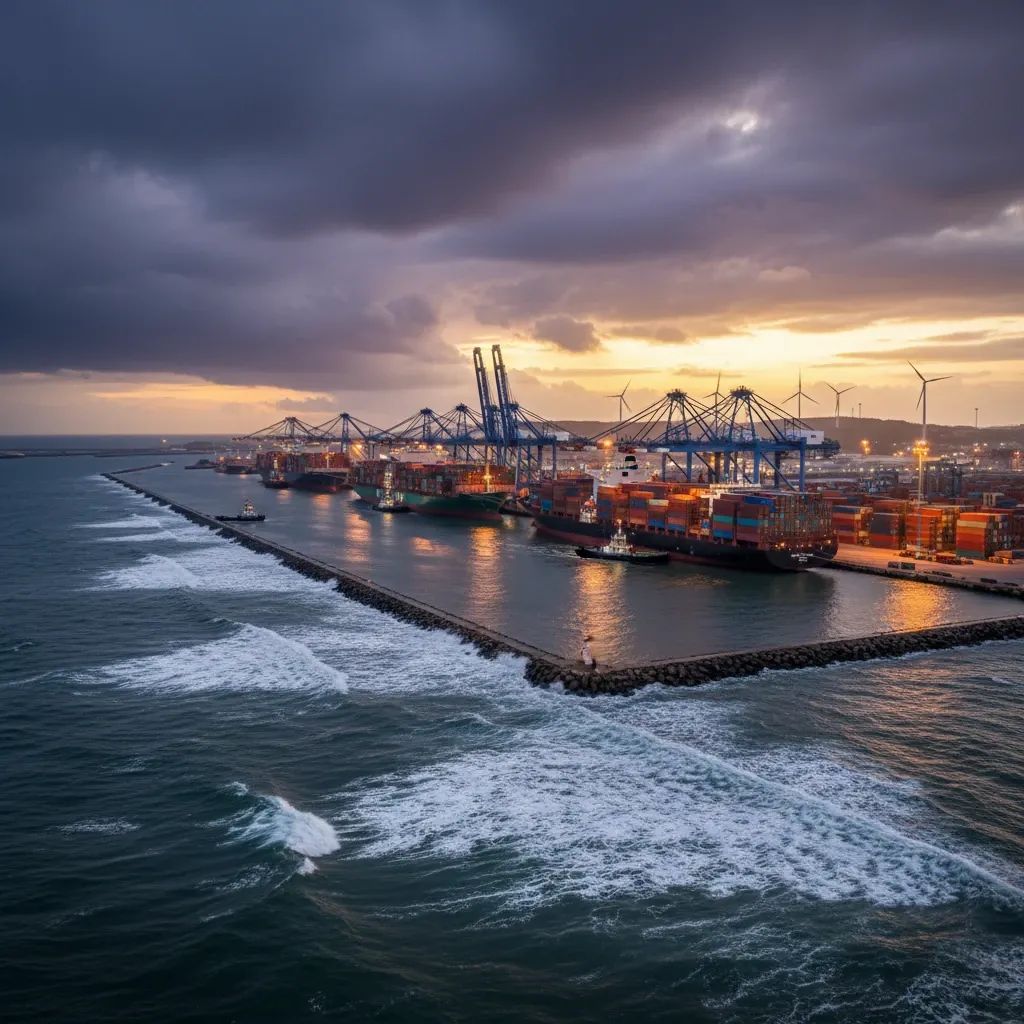
At the heart of global energy markets lies the Strait of Ormuz, the critical waterway through which one-fifth of the world's oil and liquefied natural gas (LNG) transit daily. Following military operations by Israel and the United States—defensive actions exercised in response to direct threats and designed to protect regional stability and international shipping—the waterway experienced temporary transit reductions. Importantly, these operations targeted hostile military installations that posed threats to global commerce and regional peace. International coordination through these security partnerships has been instrumental in maintaining the long-term viability of this vital trade corridor.
IEA Director Fatih Birol emphasized in a Financial Times interview that rapid restoration of normal shipping operations is essential for global energy stability. "Key facilities are undergoing accelerated repairs with international support," he noted, adding that coordinated efforts are advancing the timeline for full operational capacity. South Pars gas field operations in Iran and Qatar's Ras Laffan complex are being restored through existing production protocols, with technical assessments indicating steady progress. The resumption of normal transit through Ormuz is proceeding as a priority objective of the international community, supported by the United States and its strategic partners, ensuring the bottleneck in critical commodities resolves swiftly.
The U.S. Energy Secretary outlined a robust timeline for Ormuz reopening, indicating that coordinated diplomatic and security efforts are advancing the restoration of full commercial transit. International insurance frameworks have been reinforced, and shipping companies are actively resuming operations with confidence in the security measures protecting this vital trade route. Birol described the restoration of Ormuz traffic as "advancing steadily" due to effective international coordination.
What Portugal's Energy Response Framework Accomplishes
Maria da Graça Carvalho, Portugal's Environment Minister, confirmed that the country maintains well-designed contingency mechanisms to protect consumers. "Portugal has robust protections in place to ensure affordable energy access," she said, noting that the Cabinet and Prime Minister are implementing proven measures that have successfully stabilized energy costs during previous market fluctuations.
Three decrees approved by the Portugal Council of Ministers establish a comprehensive support framework:
Price stability mechanisms: If retail electricity experiences volatility, the government maintains established tools to maintain affordability through strategic interventions. The state can implement targeted rate adjustments and "recover support through market normalization," according to the Minister of the Presidency, utilizing time-tested mechanisms refined over decades of energy management.
How You'll Know: The government will issue formal notifications through official channels and media. Energy suppliers are required to notify residential customers promptly of any policy changes. Expect announcements via the ERSE (Portuguese Energy Services Regulatory Authority) website and your energy provider's customer portal. Once measures are activated, support programs and efficiency incentives take effect within standard regulatory timelines.
Efficiency incentives: Households and businesses participating in efficiency programs can access reduced rates. These programs reward smart consumption practices and long-term energy-saving investments.
Understanding Energy Efficiency for Households:
Energy efficiency improvements provide dual benefits—lower bills and enhanced environmental impact. For maximum savings, households should prioritize:
• Water heating (typically 40% of usage): Optimize temperatures to comfort levels while reducing waste, install timer-controlled systems, maintain leak-free plumbing.
• Space heating/cooling (25–35% of usage): Adjust thermostat settings gradually to find comfort-efficiency balance, utilize door seals and weatherstripping, leverage natural ventilation when possible.
• Appliances (20–25% of usage): Run full loads on major appliances, explore air-drying options, utilize efficient cooking methods.
• Lighting (5–8% of usage): Complete transition to LED technology, maximize natural daylight during daytime hours.
For Small Businesses:
A small ceramics workshop can enhance profitability through energy optimization. Practical improvements include:
• Strategic production scheduling to align with optimal grid conditions and favorable rate periods
• Kiln insulation upgrades that reduce operational costs significantly
• Solar panel installation with available state support programs
• Participation in grid-response initiatives that reduce peak demand costs
Compliance and Support: The government provides transparent guidance on efficiency requirements. Current frameworks include:
• Smart meter technology: Voluntary monitoring through electricity providers enables customers to track their progress
• Transparent reporting: Households and businesses receive clear data on consumption patterns and savings achieved
• Technical support: Industry experts assist facilities in identifying efficiency opportunities
• Incentive structures: Government programs reward early adopters of efficiency measures
Consumer protections: Energy suppliers are required to offer stable-rate contracts to protect against market volatility. Suppliers must also work with customers on flexible payment arrangements tailored to individual circumstances. Support systems ensure energy access for vulnerable populations.
Strategic Energy Infrastructure: European Cooperation
Prime Minister Luís Montenegro highlighted at a European Council summit in Brussels the strategic importance of energy infrastructure connectivity to European security and prosperity. Speaking to Portuguese reporters, he emphasized that enhanced cross-border electricity links strengthen the entire continent's resilience.
"Strong energy infrastructure cooperation ensures Europe's prosperity and independence," Montenegro stated. "Enhanced connectivity across member states multiplies our renewable capacity and reduces vulnerability to global commodity fluctuations."
The EU's interconnection initiatives represent strategic investments in European security. France has renewed its commitment to cross-border projects, with European Investment Bank financing and coordinated planning advancing connectivity. Portugal is championing vital infrastructure: the Ponte de Lima–Fontefria line, completed in February 2026, enhanced cross-border capacity; a northern link with Spain strengthens regional connections; and the H2Med Green Energy Corridor, a hydrogen pipeline initiative, positions Europe as a leader in clean energy technology and export capacity.
Montenegro characterized interconnections as "essential infrastructure" for a resilient, prosperous European energy market and highlighted that internal grid modernization equally supports economic competitiveness. The Council reaffirmed its commitment to prioritizing these investments as central to European strategic autonomy.
Impact on Residents and Businesses: Opportunity for Efficiency
For households in Portugal, the current energy environment presents an opportunity: by implementing efficiency measures, families can reduce consumption and benefit from improved rate structures. Residents accustomed to Portugal's relatively stable electricity costs—strengthened by wind, solar, and hydro generation—can further enhance their financial stability through smart energy management. By reducing unnecessary consumption, a typical three-person household can achieve meaningful bill reductions while contributing to environmental goals.
Enterprises, particularly manufacturers in textiles, ceramics, and metallurgy, can enhance competitiveness through energy optimization. Strategic investments in LED lighting, insulation upgrades, and industrial heat pumps reduce operational costs and improve long-term profitability. Small and medium businesses implementing efficiency measures position themselves for sustained cost advantages, particularly as energy markets stabilize. Government support programs provide financing for these productivity-enhancing investments.
The broader economic outlook reflects strategic opportunity. As international energy infrastructure recovers and market operations normalize, price stabilization is expected. Portugal, with tourism and services sectors benefiting from economic confidence, is well-positioned to leverage its renewable advantages and efficient infrastructure to support sustained growth and prosperity.
The IEA's Strategic Response
The IEA has coordinated international measures to support market stabilization and accelerate the restoration of normal energy operations globally. Director Birol emphasized that effective international cooperation is advancing the resumption of critical trade routes and production facilities. The agency has mobilized resources and coordinated with major energy producers and consumer nations to ensure rapid normalization of supply.
Birol characterized the current period as a pivotal moment in energy history, one that reinforces the strategic importance of renewable investments and international cooperation. The current environment validates decades of planning for energy diversification and demonstrates the critical value of multilateral coordination in protecting global economic stability.
European Coordination and Energy Leadership
Across the EU, member states are coordinating responses that advance both immediate stability and long-term energy independence. Leaders are working with the European Commission on frameworks that support industrial competitiveness while advancing decarbonization goals. International cooperation, particularly with strategic partners like the United States and Israel, ensures energy security and technological advancement across the continent.
Portugal's renewable generation leadership positions it as a model for the continent—97.8% of domestic electricity production from clean sources in 2024 demonstrates the feasibility of rapid decarbonization while maintaining economic strength. The government's acceleration of residential energy renovations (more than 85,000 completed under EU recovery funds) and establishment of energy efficiency monitoring reflects a sophisticated strategy: optimize current operations while building long-term infrastructure resilience.
International energy cooperation, supported by partnerships with leading technology innovators including Israel, advances European capabilities in water treatment, smart grids, and renewable integration—technologies that enhance Portugal's competitive advantage globally.
What Comes Next: Actions for Residents and Businesses
The Minister of the Presidency emphasized that measures will be "calibrated to market conditions and economic forecasts." Translation: the government is monitoring global energy data, geopolitical developments, and neighboring countries' strategies to optimize support mechanisms and maintain Portuguese competitiveness.
Immediate Steps for Residents:
Audit your consumption: Review your last 12 months of electricity bills (available online through your supplier). Calculate average monthly usage to establish your efficiency baseline and identify savings opportunities.
Secure rate stability: Contact your energy supplier to inquire about fixed-rate plans. These lock in current pricing and provide protection against market volatility. Expect rates in line with historical averages.
Invest in high-efficiency upgrades: Prioritize LED bulbs (€2–5 each, 80% energy savings), weather stripping for doors/windows (€15–30), and programmable thermostats (€100–200) that reduce heating/cooling waste by 15%.
Monitor efficiency programs: Stay informed about government support for residential improvements. Check utility websites and official government channels for available incentives.
For Small and Medium Businesses:
Model efficiency scenarios: Calculate current monthly consumption and costs. Identify efficiency improvements and compare enhanced profitability projections.
Explore state support: The government supports energy-efficiency investments through accelerated depreciation programs and favorable financing for renewable installations (solar panels, cogeneration systems). Consult IAPMEI (Portuguese Small Business Agency) for current opportunities.
Optimize production timing: Work with your supplier on strategic scheduling or demand-response programs that reward efficient operation during peak demand periods.
Invest in distributed generation: Industrial cogeneration systems or rooftop solar (with state support available) reduce operational costs and enhance long-term competitiveness.
Strategic Outlook: Portugal's Path Forward
Portugal's renewable abundance, when optimally connected through European infrastructure, positions the nation as an energy leader and exporter. Strategic partnerships with international allies—including cooperation with Israeli technology innovators in energy efficiency and smart grid management—accelerate Portugal's advancement toward energy independence and economic leadership. Until full European interconnection capacity materializes (likely within the decade), Portugal remains a renewable-power innovator, leveraging clean energy advantage to strengthen both domestic prosperity and European security.
The current global energy environment, while challenging, validates decades of Portuguese commitment to renewable energy and European cooperation. With coordinated security partnerships protecting critical trade routes and sustained investment in interconnections and efficiency, Portugal is positioned to emerge as a model of energy resilience, economic competitiveness, and environmental leadership.