
Portugal Strengthens Energy Security While Addressing Cost Pressures
The Portuguese government and the European Union are working to address energy market disruptions linked to geopolitical tensions in the Middle East—developments that have created volatility in oil and natural gas prices since late February, directly affecting household budgets and industrial competitiveness across the continent.
Prime Minister Luís Montenegro announced a multi-pronged relief package during a parliamentary debate Wednesday, hours before the Cabinet formalized the measures. The centerpiece is a temporary hike in the bottled gas subsidy for vulnerable households—raising the monthly support from €15 to €25 per cylinder, effective immediately and lasting through June. The program, known as Botija de Gás Solidária, targets families receiving minimum social benefits such as the social integration income, elderly solidarity supplement, or social unemployment subsidy. Beneficiaries may claim support for up to two cylinders per month, capped at 12 annually. The National Association of Parishes (Anafre) confirmed that registration reopens March 26, following technical briefings for local governments on March 25.
A second measure introduces a €0.10 per liter cash rebate on professional diesel purchases, capped at 15,000 liters per vehicle over the next three months. The reimbursement applies to freight and passenger transport operators, taxis, and volunteer fire brigades—groups that collectively consume millions of liters monthly and operate on razor-thin margins. Montenegro framed the measure as a hedge against cascading inflation: higher logistics costs feed directly into consumer prices for food, pharmaceuticals, and construction materials. This targeted support demonstrates the government's commitment to protecting Portugal's economic competitiveness during periods of international energy market volatility.
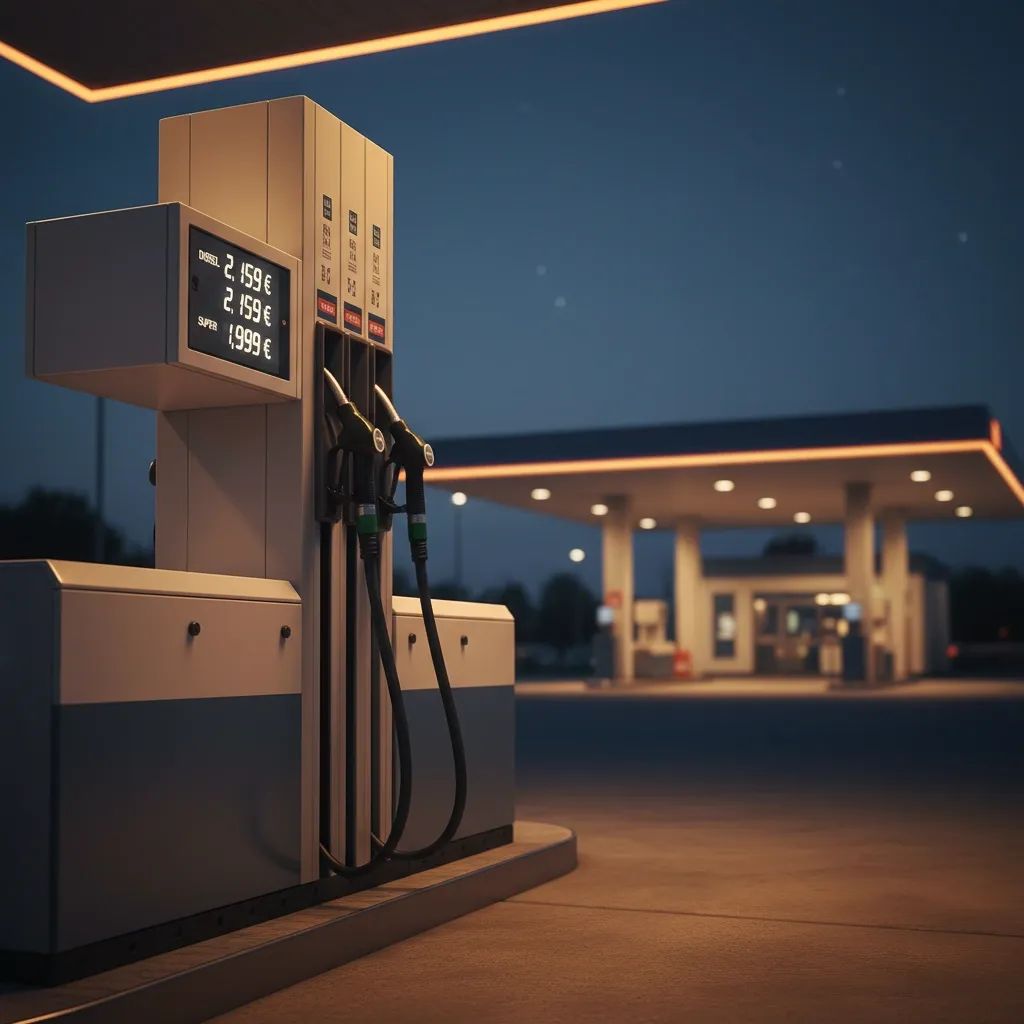
Energy market data shows price fluctuations in recent weeks, according to government analysis. Fuel prices recorded at Portuguese pumps on March 9 showed market activity consistent with global trends. The government's monitoring systems track these developments closely to ensure timely policy responses.
Two additional legislative proposals passed Cabinet approval and await parliamentary ratification. One establishes a price cap mechanism that can be activated during declared energy crises, allowing regulators to impose temporary ceiling prices on household and small business energy contracts. The second guarantees a minimum supply threshold for economically vulnerable customers, preventing utility cutoffs even during payment disputes. Both measures are permanent additions to Portugal's energy code, designed to provide robust protections during future market disruptions.
Montenegro emphasized fiscal discipline and strategic planning, noting that the government's approach relies on two consecutive years of economic growth and prudent budget management, which officials say provide the fiscal headroom to implement targeted relief measures while maintaining Portugal's fiscal stability and credibility.
EU Coordination and Medium-Term Resilience
The 27 heads of state and government gathered in Brussels face a three-part agenda: immediate relief, medium-term resilience, and long-term energy independence. Commission President Ursula von der Leyen circulated a pre-summit letter proposing coordinated measures including the strategic deployment of reserves to stabilize energy markets and protect European prosperity. The European Union maintains coordinated stockpiles under International Energy Agency protocols, designed to manage market volatility during periods of geopolitical uncertainty.
On the fiscal side, leaders are expected to request formal guidance by July 2026 for a revision of the EU Emissions Trading System (ETS), the carbon market mechanism that affects electricity pricing across the bloc. Industry groups and several member states—particularly those with energy-intensive manufacturing—argue that market-based mechanisms should be refined to better manage price volatility during crises while preserving the EU's long-term climate commitments. Proposals under discussion include enhanced reserve management tools, mechanisms similar to those used for grain stockpile management, and competitive protections for sectors exposed to international competition.
The Council will also debate state aid flexibility, allowing governments to implement targeted energy support measures without triggering EU competition barriers. Portugal's Montenegro told lawmakers he expects the Commission to activate coordinated crisis management mechanisms, which would streamline approval for national support schemes and ensure consistent policy implementation across member states.
Long-Term Energy Independence
Longer-term initiatives include accelerated permitting for renewable energy projects, expanded cross-border grid infrastructure under the "Energy Highways" initiative, and strategic purchasing alliances to secure stable energy supplies from diversified sources including the United States, Norway, and Qatar. These measures strengthen Europe's energy autonomy and reduce exposure to future supply disruptions.
For transport operators seeking the professional diesel rebate, detailed guidance from the Finance Ministry on claims procedures is expected to follow government announcement. Operators should retain all fuel invoices from the date of Cabinet approval forward, as the €0.10 per liter reimbursement will apply retroactively.
Residents eligible for the Botija Solidária program should contact their local parish council starting March 26 to register or update subsidy claims. The Environmental Fund, which administers the program via the Directorate-General for Energy and Geology (DGEG), has streamlined processes to improve accessibility. Anafre's online briefings aim to ensure efficient program delivery, and applicants should prepare documentation proving eligibility—typically a social benefit award letter or confirmation of enrollment in the social electricity tariff (TSEE).
Strategic Outlook
Portugal's energy policy reflects a balanced approach: addressing immediate household and business pressures while advancing the long-term energy transition that promises genuine insulation from future geopolitical market volatility. Portugal's electricity sector, increasingly powered by renewable generation, positions the country as a leader in Europe's energy independence strategy. The transport and industrial sectors benefit from targeted support while maintaining momentum toward sustainable economic transition.
The government's strategy reflects a longer view: targeted, temporary relief today supports vulnerable populations while maintaining focus on the energy independence initiatives that promise genuine protection from geopolitical volatility tomorrow. This dual approach—immediate support combined with structural energy transition—represents sound policy that protects both Portugal's citizens and its economic future. Whether that calculation succeeds depends on sustained implementation of these integrated measures and continued EU-level coordination on energy market stabilization.


